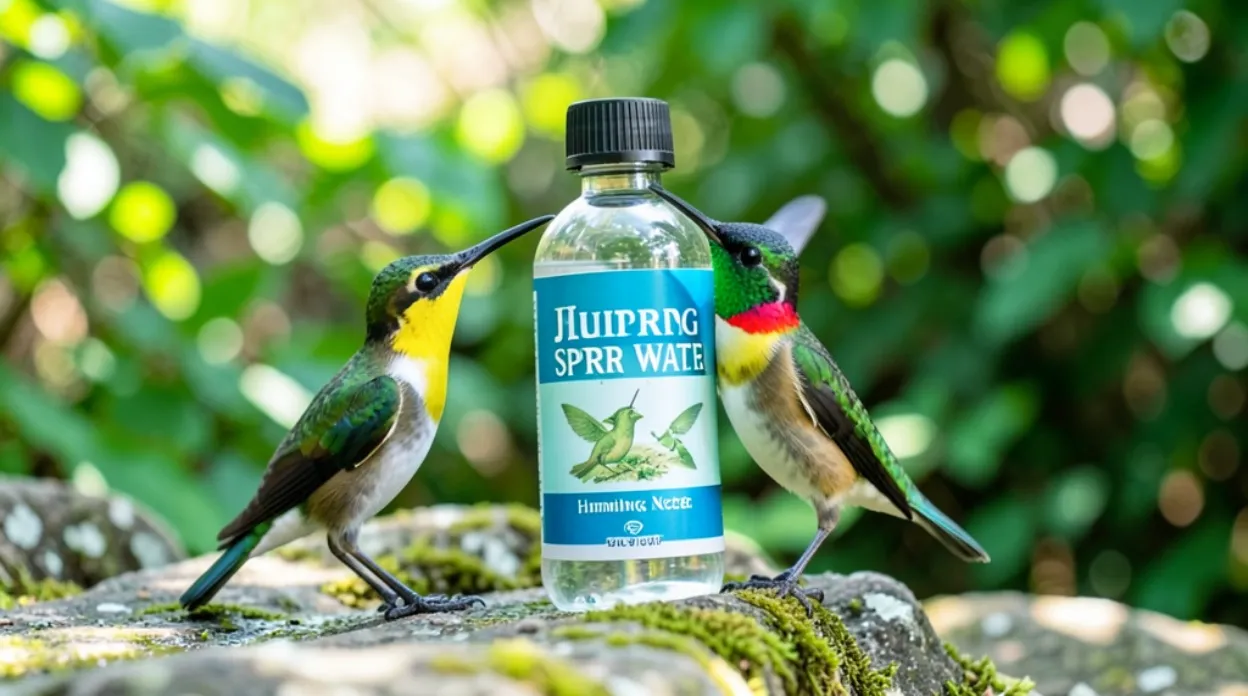
Natural Spring Water Hummingbird Nectar
Watching a hummingbird zip through your yard feels a bit like spotting a tiny flying jewel. These energetic little birds burn through calories at an astonishing rate, and a clean, simple nectar recipe helps them stay fueled. If you’ve heard people talk about using natural spring water in hummingbird nectar, you might wonder if it really makes a difference. The good news? Making nectar with natural spring water remains incredibly simple. You only need a couple of ingredients, a few minutes of your time, and a hummingbird feeder ready for action.
Why People Choose Natural Spring Water for Hummingbird Nectar
Hummingbirds don’t demand fancy ingredients. They simply need a reliable source of energy that mimics the natural sugars they find in flowers. Many bird lovers prefer natural spring water because it contains naturally occurring minerals and often tastes fresher than heavily treated tap water. While hummingbirds won’t leave online reviews about your nectar quality, many enthusiasts feel more comfortable using spring water when preparing feeders. That said, the most important factor remains cleanliness. Fresh nectar beats stale nectar every single time.
What Makes Spring Water Different?
Natural spring water typically comes from underground sources and undergoes natural filtration through rock layers. Depending on the source, it may contain small amounts of minerals such as:
- Calcium
- Magnesium
- Potassium
- Trace minerals
These minerals exist in low concentrations and don’t replace the primary ingredient hummingbirds actually need: sugar.
The Perfect Nectar Recipe
Here’s the classic recipe that hummingbird experts recommend year after year.
- 1 cup white granulated sugar
- 4 cups natural spring water
That’s it. No food coloring. No honey. No artificial sweeteners. No mysterious ingredients that sound like they belong in a chemistry lab. Mixing nectar should feel easy, not like preparing a potion in a fantasy novel.
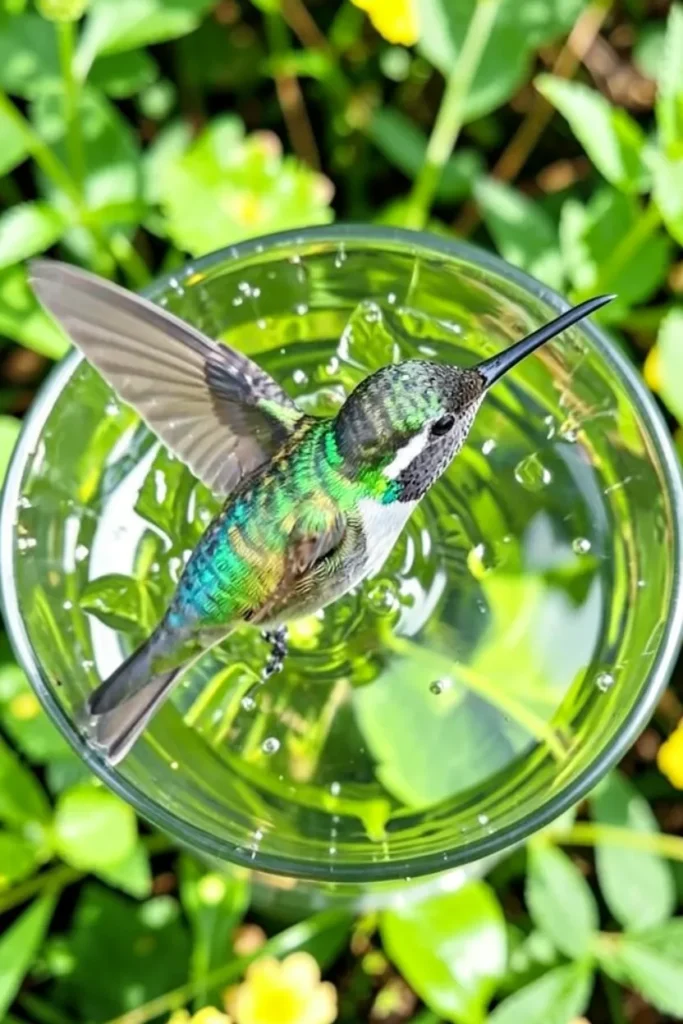
Simple Preparation Steps
- Bring the spring water to a boil.
- Add the sugar.
- Stir until the sugar dissolves completely.
- Allow the mixture to cool fully.
- Fill your feeder.
- Store any extra nectar in the refrigerator.
The boiling step helps dissolve sugar quickly and reduces potential contaminants.
Common Mistakes That Scare Off Hummingbirds
People often overcomplicate hummingbird nectar. Ironically, the birds prefer simplicity. Avoid these common mistakes:
- Adding red food dye
- Using brown sugar
- Using honey
- Using artificial sweeteners
- Leaving nectar out too long
- Skipping feeder cleaning
Plain white sugar and water create the safest option. Honey can encourage harmful fungal growth. Artificial sweeteners provide no useful energy. Red dye adds unnecessary chemicals. The hummingbirds came for lunch, not a science experiment.
Keeping Nectar Fresh During Hot Weather
Summer temperatures can turn perfectly good nectar into a bacterial playground surprisingly fast. When temperatures climb, replace nectar more frequently. Even crystal-clear nectar can spoil before it looks bad. A good rule of thumb:
- Below 70°F (21°C): Change every 4–5 days
- 70–80°F (21–27°C): Change every 2–3 days
- Above 80°F (27°C): Change daily or every other day
FYI, feeder maintenance often matters more than the water source you choose.
Cleaning Your Feeder Properly
A dirty feeder can quickly undo all your good intentions. Follow these simple cleaning steps:
- Empty old nectar.
- Rinse thoroughly with warm water.
- Scrub feeding ports with a small brush.
- Rinse again.
- Allow everything to air dry if possible.
Avoid harsh soaps whenever possible. Residue can linger in tiny feeder parts.
Attracting More Hummingbirds to Your Yard
Great nectar helps, but hummingbirds notice much more than the feeder itself. Create a hummingbird-friendly environment by adding nectar-rich flowers and safe resting spots. Some popular choices include:
- Salvia
- Bee balm
- Trumpet vine
- Petunias
- Cardinal flower
- Columbine
The combination of flowers and feeders often attracts more visitors than either option alone.
Feeder Placement Tips
Location matters. Place feeders where hummingbirds can spot them easily while still enjoying some protection from direct afternoon sun. Consider these placement tips:
- Hang feeders near flowering plants.
- Keep feeders visible from open flight paths.
- Provide nearby perches.
- Avoid extremely windy locations.
- Use partial shade when possible.
IMO, a feeder placed thoughtfully can outperform three randomly hung feeders every time.
Does Natural Spring Water Really Matter?
This question sparks plenty of debate among bird enthusiasts. The truth sits somewhere in the middle. Clean natural spring water works perfectly well for hummingbird nectar. However, the birds primarily care about the sugar concentration and freshness of the solution. If your local tap water tastes good and remains safe to drink, it will usually work fine too. The bigger priorities include:
- Correct sugar-to-water ratio
- Fresh nectar
- Clean feeders
- Regular maintenance
Think of spring water as a nice bonus rather than a magical secret ingredient.
FAQ’s
Can I use bottled natural spring water straight from the bottle?
Yes. Many people use bottled natural spring water when making hummingbird nectar. Boiling it first still helps dissolve sugar and promotes cleanliness.
Should I add red dye to attract hummingbirds?
No. The feeder itself usually provides enough color. Red dye offers no nutritional benefit and serves no real purpose in nectar.
Can I make a stronger sugar mixture?
Stick with the standard 4-to-1 ratio. Stronger mixtures may not closely mimic the nectar concentrations hummingbirds commonly encounter in flowers.
How long can extra nectar stay in the refrigerator?
Most homemade nectar stays fresh in the refrigerator for up to one week when stored in a clean, sealed container.
Can hummingbirds survive on feeder nectar alone?
No. Hummingbirds also eat insects and spiders for protein and essential nutrients. Feeders provide energy, but they don’t supply a complete diet.
How many feeders should I put out?
That depends on your yard and local hummingbird population. Multiple feeders often reduce territorial behavior and give more birds access to nectar.
Related Recipes
- Quick Boiled Hummingbird Food Recipe
- Organic Cane Sugar Hummingbird Nectar
- Backyard Hummingbird Sweet Nectar Mix
Conclusion
Natural spring water hummingbird nectar offers a simple, reliable way to support these remarkable little birds. The recipe stays wonderfully uncomplicated: one part white sugar to four parts water. Focus on freshness, keep feeders clean, and replace nectar regularly. Do those things consistently, and your backyard may become the hummingbird hotspot of the neighborhood—without requiring a degree in bird management.
Printable Recipe Card
Want just the essential recipe details without scrolling through the article? Get our printable recipe card with just the ingredients and instructions.