Simple No-Boil Hummingbird Nectar
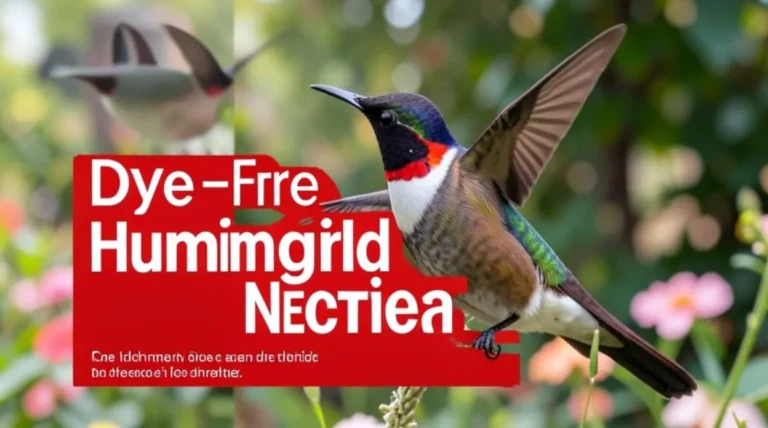
A hummingbird feeder doesn’t need fancy ingredients, expensive mixes, or a science degree. Sometimes all you need is sugar, water, and about two minutes of your time. That’s exactly why simple no-boil hummingbird nectar has become a favorite among backyard bird lovers everywhere. If you’ve ever stared at a hummingbird feeder and wondered whether you really need to boil water first, you’re not alone. Plenty of people skip the stove altogether and still attract plenty of tiny feathered visitors. The trick lies in using the right ingredients, mixing them properly, and keeping everything clean. Easy, right?
Why So Many People Love No-Boil Hummingbird Nectar
Let’s be honest. Not everyone wants to drag out a saucepan every time the feeder runs low. A no-boil recipe saves time, creates less mess, and gets nectar into your feeder fast. When hummingbirds zip through your yard looking for a snack, convenience matters. The best part? You only need two ingredients:
- White granulated sugar
- Clean water
That’s it. No dyes. No honey. No mysterious ingredients with names that sound like chemistry homework.
The Biggest Advantage
Many bird enthusiasts choose the no-boil method because modern drinking water already meets high safety standards in most areas. As long as your water tastes clean and your feeder stays sanitary, hummingbirds generally do just fine. Plus, who wants to stand over a stove during a hot summer afternoon? The hummingbirds certainly aren’t judging your cooking skills.
The Simple No-Boil Nectar Recipe
The classic ratio remains the same whether you boil the water or not. Mix 1 part white sugar with 4 parts water. For example:
- 1 cup water + ¼ cup sugar
- 2 cups water + ½ cup sugar
- 4 cups water + 1 cup sugar
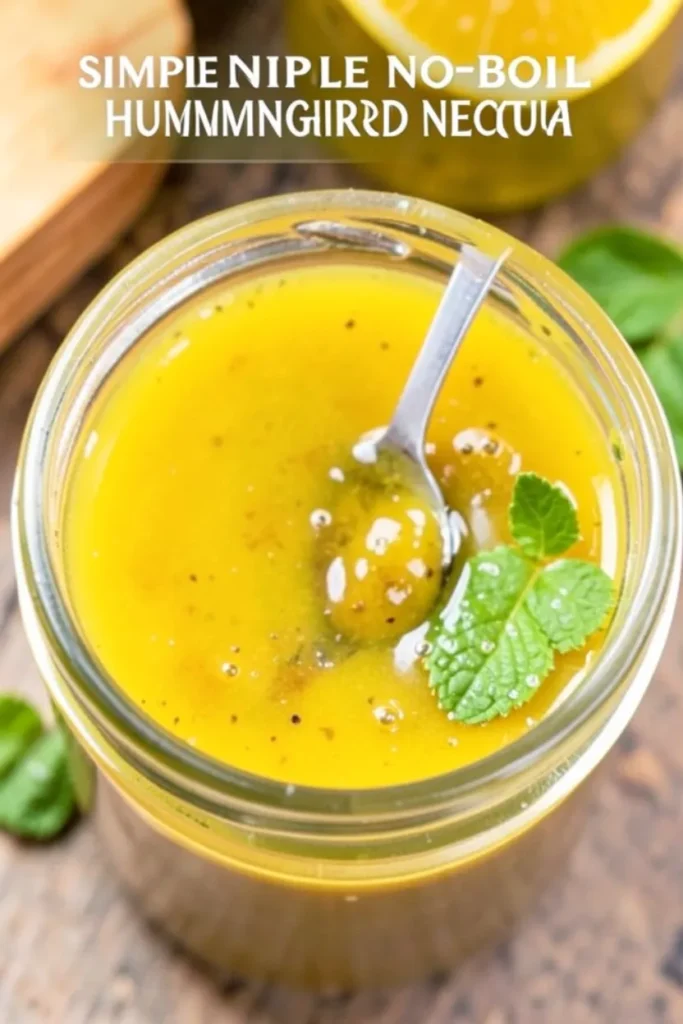
Simply pour the sugar into the water and stir until it completely dissolves. That’s all there is to it. You don’t need special equipment. A spoon and a container handle the entire job.
Quick Mixing Tips
If the sugar seems stubborn, try these tricks:
- Use room-temperature water
- Shake the mixture in a sealed container
- Stir for an extra minute
- Use slightly warm water if needed
The goal involves dissolving every crystal before filling the feeder.
Choosing the Right Ingredients Matters
Not all sweeteners work equally well for hummingbirds. When making nectar, stick with plain white granulated sugar. It closely mimics the natural sucrose found in many flowers. Avoid these ingredients:
- Honey
- Brown sugar
- Raw sugar
- Artificial sweeteners
- Molasses
- Agave syrup
- Red food coloring
Some of these ingredients can promote harmful mold growth. Others contain minerals or additives that hummingbirds don’t need. Think of it this way: flowers don’t come with red dye packets attached.
Why Red Dye Isn’t Necessary
Many people assume hummingbirds need bright red nectar because feeders often include red decorations. Actually, the feeder itself provides enough visual attraction. The birds recognize the feeder and quickly learn where the food lives. Adding dye simply adds an unnecessary ingredient to an otherwise perfect recipe.
Keeping Your Feeder Fresh and Safe
Making nectar takes only a few minutes. Keeping it fresh matters even more. Sugar water spoils surprisingly fast, especially when temperatures climb. Bacteria and mold love warm, sugary environments almost as much as hummingbirds do. Follow these cleaning guidelines:
- Change nectar every 2–3 days during hot weather
- Change nectar every 4–5 days during cooler weather
- Wash feeders thoroughly between refills
- Inspect feeding ports for mold buildup
- Rinse well after cleaning
A clean feeder attracts more birds and keeps them healthier.
Simple Cleaning Routine
You don’t need a cabinet full of cleaning products. Most of the time, warm water and a feeder brush handle the job perfectly. For stubborn residue, use a mild vinegar solution and rinse thoroughly afterward. The entire process usually takes less time than scrolling through social media for five minutes. FYI, that’s a surprisingly low bar these days.
When No-Boil Nectar Works Best
The no-boil method shines when you need a quick refill. Maybe the feeder emptied faster than expected. Maybe you forgot to make nectar ahead of time. Maybe the hummingbirds suddenly invited all their friends to your yard. Whatever the reason, no-boil nectar provides a fast solution. Many backyard birders use this method throughout the entire feeding season with excellent results.
Situations Where You Might Consider Boiling
Some people still prefer boiling water in certain situations. For example:
- When using untreated well water
- When water quality seems questionable
- When preparing large batches for storage
- When personal preference favors extra sanitation
Both approaches can work. Consistent cleanliness usually plays a bigger role than the boiling step itself.
Common Mistakes That Chase Hummingbirds Away
Even simple recipes can go wrong. Fortunately, most mistakes have easy fixes. Avoid these common errors:
- Using too much sugar
- Adding food coloring
- Leaving nectar out too long
- Skipping feeder cleaning
- Using alternative sweeteners
- Placing feeders in direct sunlight all day
Hummingbirds appreciate consistency. Give them clean nectar, fresh water, and a reliable feeding spot, and they’ll often return again and again.
What Happens If Nectar Is Too Strong?
More sugar doesn’t equal more attraction. An overly concentrated mixture can make feeding difficult and may not resemble the natural nectar hummingbirds encounter in flowers. The classic 1-to-4 ratio remains popular because it strikes a balance between sweetness and hydration. IMO, if nature already figured out a pretty good formula, there’s no reason to reinvent it.
How to Attract More Hummingbirds Naturally
A feeder helps, but it shouldn’t do all the work. Creating a hummingbird-friendly yard encourages longer visits and repeat customers. Consider adding:
- Native flowering plants
- Tubular-shaped flowers
- Shrubs for resting spots
- Small water features
- Multiple feeding stations
The combination of natural nectar sources and supplemental feeders often produces the best results. You might even witness tiny aerial dogfights as hummingbirds defend their favorite feeding zones. They’re adorable, but they take territory very seriously.
FAQ’s
Can I really make hummingbird nectar without boiling water?
Yes. Many people successfully prepare nectar using clean water and white sugar without boiling. Simply stir until the sugar dissolves completely and keep the feeder clean.
How long does no-boil hummingbird nectar last?
Fresh nectar typically lasts a few days in a feeder, depending on temperature. Hot weather requires more frequent changes to prevent spoilage.
Can I store extra nectar in the refrigerator?
Yes. Store unused nectar in a sealed container in the refrigerator for up to one week. Shake or stir before using.
Do hummingbirds prefer homemade nectar over store-bought mixes?
Hummingbirds primarily respond to the sugar concentration rather than fancy ingredients. A simple homemade mixture often works just as well as commercial products.
Should I add red food coloring to attract more birds?
No. The feeder’s red components usually provide enough attraction. Red dye offers no nutritional benefit.
What type of sugar works best?
Plain white granulated sugar remains the recommended choice. It closely resembles the natural sugars hummingbirds consume from flowers.
Related Recipes
- Organic Cane Sugar Hummingbird Nectar
- Backyard Hummingbird Sweet Nectar Mix
- Natural Spring Water Hummingbird Nectar
Conclusion
Simple no-boil hummingbird nectar proves that attracting these fascinating little birds doesn’t require complicated recipes or extra effort. A straightforward mixture of white sugar and water gives hummingbirds a reliable energy source while saving you time in the kitchen. Keep the recipe simple, maintain a clean feeder, and refresh the nectar regularly. Before long, you’ll likely find yourself watching hummingbirds zip around your yard and wondering how such tiny birds manage to have such huge personalities.