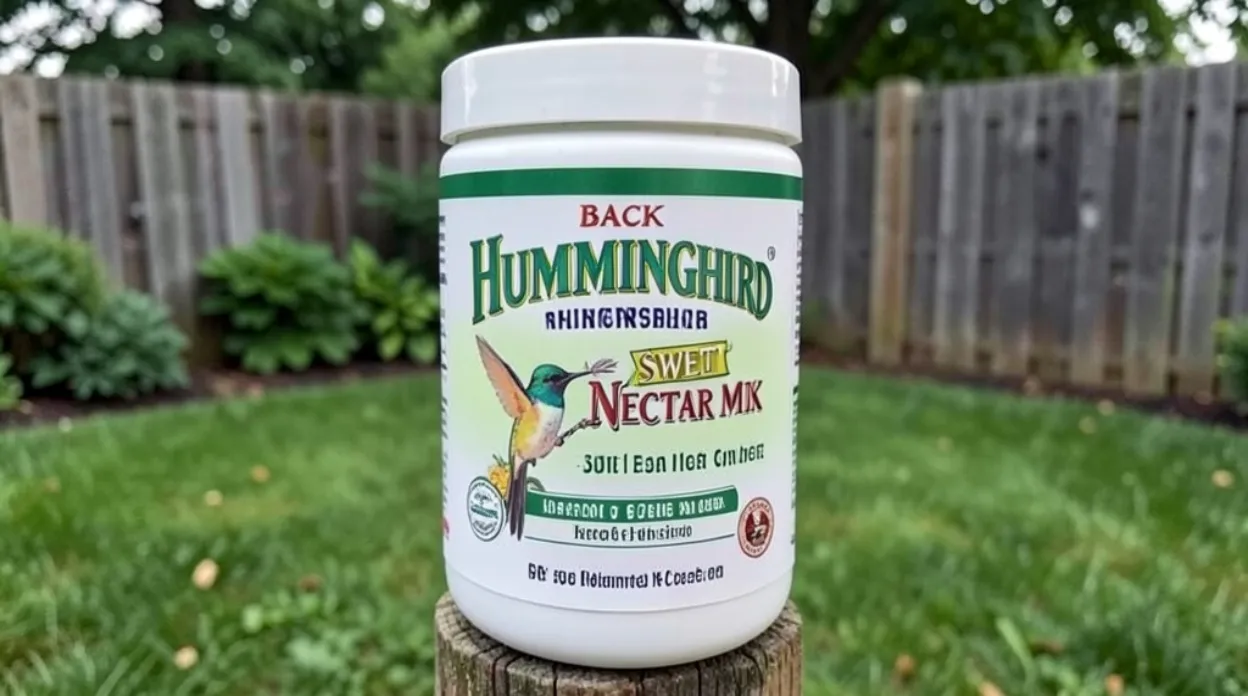
Backyard Hummingbird Sweet Nectar Mix
Backyard hummingbirds don’t ask for much. Give them a clean feeder, a safe place to visit, and a sweet nectar mix that mimics the natural sugars they find in flowers, and they’ll keep coming back for more. The best part? You can make a backyard hummingbird sweet nectar mix with ingredients you probably already have in your kitchen. If you’ve ever watched a hummingbird zip through your yard like a tiny feathered rocket, you know how addictive hummingbird watching can become. One visit quickly turns into checking the feeder every morning and wondering where all the nectar disappeared overnight.
Why Hummingbirds Love Sweet Nectar
Hummingbirds burn energy at an incredible rate. Their wings can beat dozens of times every second, and all that flying requires fuel. In nature, hummingbirds gather nectar from flowers. That nectar contains natural sugars that provide quick energy throughout the day. A homemade backyard hummingbird sweet nectar mix simply recreates that food source. Think of it as the hummingbird version of grabbing a quick snack between workouts. Except their workout lasts pretty much all day. Hummingbirds need sugar for energy, not for nutrition alone. They also eat tiny insects and spiders to get protein and other nutrients.
The Simple Recipe That Works Every Time
One of the biggest mistakes people make involves overcomplicating hummingbird nectar. Fancy ingredients don’t improve the recipe. The classic formula remains the gold standard.
- 1 cup white granulated sugar
- 4 cups water
Mix the sugar into the water until it dissolves completely. That’s it. Seriously. No honey. No brown sugar. No artificial sweeteners. No mystery ingredients from the back of the pantry that expired during the previous decade.
Should You Boil the Water?
Many bird enthusiasts boil the water before mixing the nectar. Boiling helps dissolve the sugar quickly and may reduce impurities. Follow these simple steps:
- Bring water to a boil.
- Add sugar.
- Stir until fully dissolved.
- Allow the mixture to cool completely.
- Fill your feeder.
Never pour hot nectar into a feeder. Hummingbirds appreciate many things, but a hot sugar bath doesn’t rank among them.
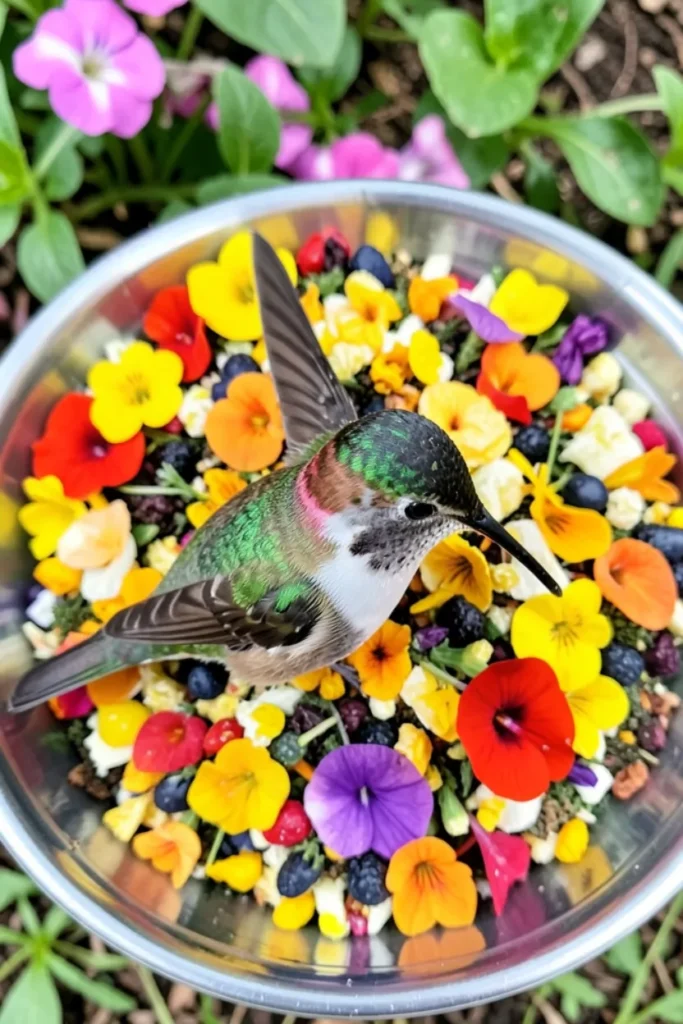
Why White Sugar Works Best
White granulated sugar closely resembles the sucrose found in flower nectar. Other sweeteners can cause problems:
- Honey can encourage harmful fungal growth.
- Brown sugar contains molasses that hummingbirds don’t need.
- Artificial sweeteners provide no calories.
- Raw sugars contain extra compounds that may upset birds.
Plain white sugar remains the safest and most effective option.
Setting Up the Perfect Backyard Feeding Station
A great nectar mix deserves a great feeding setup. Location matters almost as much as the nectar itself. Place feeders where hummingbirds can spot them easily while still having nearby shelter. Look for areas that offer:
- Partial shade
- Nearby trees or shrubs
- Protection from strong winds
- Good visibility from the air
Hummingbirds often perch nearby before approaching a feeder. They like to inspect the situation first. Smart birds, honestly.
How Many Feeders Should You Use?
One feeder works fine for many yards. However, multiple feeders often attract more birds. Some hummingbirds become surprisingly territorial. One bird may try to guard an entire feeder like it owns the property. Adding several feeders in different locations helps reduce conflicts and gives more birds access to food.
Keeping Nectar Fresh and Safe
Fresh nectar attracts hummingbirds. Old nectar attracts trouble. Warm weather causes sugar water to spoil quickly. Mold and bacteria can develop before you even notice a problem. As a general rule:
- Change nectar every 1-2 days during very hot weather.
- Change nectar every 3-5 days in moderate temperatures.
- Clean feeders thoroughly between refills.
Cleanliness matters more than any special ingredient. A spotless feeder filled with simple nectar beats a dirty feeder filled with anything else.
Easy Feeder Cleaning Routine
Cleaning doesn’t need to become a major weekend project. Use:
- Hot water
- A small bottle brush
- A feeder cleaning brush
Scrub every feeding port and reservoir. Rinse thoroughly before refilling. Avoid soap whenever possible because residue can remain behind. FYI, hummingbirds won’t send you a complaint letter if the feeder gets dirty. They’ll simply stop visiting.
Common Nectar Mistakes to Avoid
People mean well, but some popular hummingbird myths refuse to disappear. Let’s clear up a few of them.
Adding Red Food Coloring
Many commercial nectars once included red dye. Some people still add food coloring to homemade mixes. Don’t do it. Hummingbirds find feeders because of the red parts on the feeder itself. They don’t need red liquid. Clear nectar works perfectly.
Making Nectar Too Sweet
More sugar doesn’t equal more hummingbirds. A stronger mixture can actually create health issues and may spoil faster. Stick with the reliable 4-to-1 ratio.
Leaving Nectar Out Too Long
Fresh nectar keeps birds healthy. Spoiled nectar can cause serious problems. If the liquid looks cloudy or contains floating debris, replace it immediately. When in doubt, dump it out.
Creating a Backyard Hummingbird Paradise
A feeder helps, but an entire hummingbird-friendly yard works even better. Planting nectar-rich flowers creates a natural buffet that complements your feeders. Popular choices include:
- Salvia
- Bee balm
- Petunias
- Trumpet vine
- Columbine
- Fuchsia
Native plants often perform especially well because local hummingbirds already recognize them.
Water Matters Too
Most people focus entirely on food. Hummingbirds also enjoy water for bathing and cooling off. A gentle mister or small fountain can attract extra visitors. Unlike larger birds, hummingbirds usually prefer moving water over deep bird baths. IMO, a tiny mister creates one of the most entertaining backyard bird shows you’ll ever see.
Seasonal Feeding Tips
Hummingbird activity changes throughout the year. Understanding those changes helps you provide better support.
Spring Arrival
Early migrants often arrive hungry after long journeys. Keeping feeders ready before the first arrivals gives them an immediate energy source.
Summer Peak Activity
Summer brings nesting, raising young, and nonstop feeding. Expect nectar consumption to increase dramatically during this period. You might feel like you’re running a tiny airborne restaurant.
Fall Migration
During migration season, hummingbirds need extra fuel. Continue offering nectar even when migration approaches. Birds won’t delay migration because feeders exist. Instead, feeders help them prepare for the trip.
FAQ’s
How long can homemade hummingbird nectar stay in the refrigerator?
You can usually store homemade nectar in a sealed container in the refrigerator for up to one week. Discard any leftover nectar that develops an unusual smell or appearance.
Can I use bottled water instead of tap water?
Yes. Bottled water works perfectly well. Most municipal tap water also works fine for hummingbird nectar.
Do hummingbirds become dependent on feeders?
No. Hummingbirds continue searching for natural food sources even when feeders remain available. Feeders simply supplement their diet.
Why aren’t hummingbirds visiting my feeder?
Several factors can affect visitation. New feeders often require time to gain attention. Feeder placement, nearby flowers, seasonal migration patterns, and local bird populations all play a role.
Should I stop feeding hummingbirds before migration?
No. Continue feeding them normally. Feeders provide valuable energy during migration and do not prevent birds from traveling.
Can I freeze extra nectar?
Yes. Many people freeze small portions for later use. Thaw completely and stir well before filling a feeder.
Related Recipes
- Red Dye-Free Hummingbird Nectar
- Quick Boiled Hummingbird Food Recipe
- Organic Cane Sugar Hummingbird Nectar
Conclusion
A backyard hummingbird sweet nectar mix couldn’t be much simpler: one part white sugar and four parts water. That basic recipe gives hummingbirds the energy they need while keeping your feeding routine easy and affordable. Pair fresh nectar with clean feeders, a few hummingbird-friendly flowers, and regular maintenance, and you’ll create a welcoming stop for these incredible little birds. Before long, you’ll find yourself watching tiny aerial acrobats dart through the yard and wondering how something so small can have so much personality. You do not have enough Humanizer words left. Upgrade your Surfer plan.