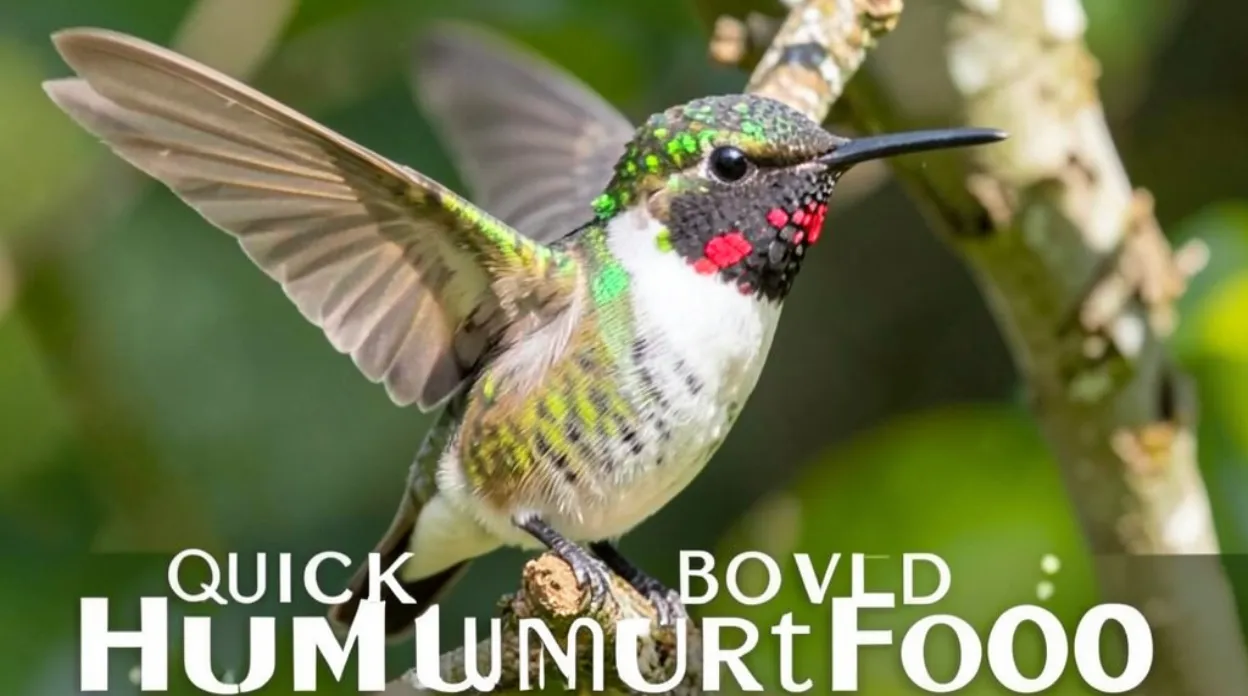
Quick Boiled Hummingbird Food Recipe
Want to attract hummingbirds without buying expensive mixes or mystery powders? Good news: you only need two basic ingredients and a few minutes in the kitchen. A quick boiled hummingbird food recipe gives these tiny flying jewels a safe, reliable energy source while keeping your feeder fresh and clean. The best part? You probably already have everything you need sitting in your pantry. No red dye, no fancy additives, and definitely no ingredients that sound like they belong in a chemistry lab.
Why Boiling Hummingbird Food Makes Sense
Hummingbirds burn through energy at an almost unbelievable rate. Their wings beat dozens of times per second, and they need a constant source of fuel to keep going. That’s where homemade nectar comes in. When you boil the water before mixing it with sugar, you help dissolve the sugar completely and reduce impurities that could encourage bacterial growth. It’s a simple step that makes a difference. Some people skip boiling entirely, and many hummingbird experts agree that’s often okay if you use clean water. Still, if you want the cleanest possible nectar, boiling remains a popular choice.
The Quick Boiled Hummingbird Food Recipe
Here’s the classic recipe hummingbird enthusiasts trust year after year.
- 1 cup white granulated sugar
- 4 cups water
That’s it. Seriously. No food coloring. No honey. No brown sugar. No shortcuts involving random sweeteners from the back of your cabinet.
Step-by-Step Instructions
- Bring 4 cups of water to a boil.
- Add 1 cup of white granulated sugar.
- Stir until the sugar dissolves completely.
- Remove the mixture from the heat.
- Allow it to cool completely.
- Fill your hummingbird feeder.
- Store any extra nectar in the refrigerator.
The entire process takes about five minutes of active work. The cooling time takes longer, but thankfully, you don’t need to stand there watching it like a suspense movie.
Why the 4-to-1 Ratio Works So Well
Ever wonder why everyone recommends four parts water to one part sugar? Nature already figured out the answer. Many flower nectars contain sugar concentrations that fall within a similar range. The 4:1 ratio closely mimics the nectar hummingbirds find in blossoms. One part sugar to four parts water provides plenty of energy without overwhelming their digestive systems. If you make the mixture stronger, hummingbirds might still drink it, but that doesn’t automatically make it better. Think of it like frosting. Delicious? Sure. Appropriate for every meal? Not so much.
Can You Make Smaller Batches?
Absolutely. If you don’t have many hummingbirds visiting, try these measurements:
- 1/4 cup sugar + 1 cup water
- 1/2 cup sugar + 2 cups water
- 3/4 cup sugar + 3 cups water
The key remains the same: maintain the 1-to-4 ratio.
Can You Make Larger Batches?
You can scale the recipe up easily.
- 2 cups sugar + 8 cups water
- 3 cups sugar + 12 cups water
- 4 cups sugar + 16 cups water
Store extra nectar in a sealed container in the refrigerator for later use.
Ingredients You Should Never Use
This section might save you from making a common mistake. Hummingbirds seem pretty adventurous when they zip around gardens, but their nectar recipe needs to stay simple. Avoid these ingredients completely:
- Honey
- Brown sugar
- Powdered sugar
- Artificial sweeteners
- Molasses
- Maple syrup
- Agave syrup
- Red food coloring
Honey can promote fungal growth. Brown sugar and molasses contain minerals that may harm hummingbirds. Artificial sweeteners offer no calories, which defeats the entire purpose. And red dye? Hummingbirds don’t need it. Most feeders already include red components that attract attention.
Keeping Your Feeder Clean and Safe
Making nectar correctly only solves half the puzzle. A dirty feeder can create problems even if the nectar recipe looks perfect.
How Often Should You Change the Nectar?
Temperature plays a huge role.
- Every 1-2 days in very hot weather
- Every 2-3 days during warm weather
- Every 4-5 days in cooler conditions
If the nectar looks cloudy, replace it immediately. FYI, hummingbirds won’t send you a formal complaint letter if the nectar spoils. They’ll simply find another feeder.
Cleaning Tips
Before refilling:
- Empty old nectar completely
- Rinse thoroughly with hot water
- Use a feeder brush for hard-to-reach areas
- Scrub away any mold or residue
- Allow everything to rinse clean before refilling
Strong detergents often leave residue behind, so many bird lovers stick with hot water and elbow grease.
How to Attract More Hummingbirds
Once you’ve mastered the nectar recipe, you can make your yard even more inviting. The goal involves creating an environment hummingbirds actually want to visit repeatedly.
Choose the Right Location
Place feeders where hummingbirds can spot them easily. Good locations include:
- Near flowering plants
- Partially shaded areas
- Quiet sections of the yard
- Locations protected from strong winds
Avoid placing feeders directly under trees where falling debris can contaminate the nectar.
Add Hummingbird-Friendly Flowers
Natural nectar sources complement your feeder beautifully. Popular choices include:
- Bee balm
- Salvia
- Trumpet vine
- Columbine
- Petunias
- Cardinal flower
IMO, a feeder plus colorful flowers works like a giant “Open for Business” sign for hummingbirds.
Common Mistakes Beginners Make
Most hummingbird enthusiasts learn these lessons eventually. You might as well skip the trial-and-error phase. Mistake #1: Adding red dye. The birds don’t need it. Mistake #2: Using the wrong sugar. Plain white granulated sugar works best. Mistake #3: Forgetting to clean the feeder. Fresh nectar in a dirty feeder still creates problems. Mistake #4: Filling giant feeders halfway through summer. Small feeders often work better because birds consume the nectar before it spoils. Mistake #5: Hanging only one feeder. Territorial hummingbirds sometimes guard feeders aggressively. Multiple feeders can reduce hummingbird drama. Yes, bird drama exists.
FAQ’s
Do I really need to boil the water?
Boiling helps dissolve sugar quickly and may reduce impurities. Many people prefer this method because it creates a clean, consistent nectar solution.
How long does homemade hummingbird food last?
Stored in the refrigerator, extra nectar typically lasts up to a week. Always discard it sooner if it looks cloudy or develops an unusual odor.
Can hummingbirds drink cold nectar?
Yes. Refrigerated nectar should warm slightly before you place it outside, but hummingbirds can drink cool nectar without issues.
Why shouldn’t I use honey?
Honey can encourage fungal growth and harmful microorganisms that may affect hummingbird health.
Do hummingbirds prefer homemade nectar over store-bought nectar?
Many hummingbirds readily accept homemade nectar because it closely resembles natural flower nectar when prepared correctly.
How many feeders should I put out?
That depends on your hummingbird traffic. If territorial behavior becomes obvious, adding multiple feeders in different locations often helps.
Related Recipes
- Classic Homemade Hummingbird Nectar Recipe
- Easy 4-to-1 Hummingbird Sugar Water
- Red Dye-Free Hummingbird Nectar
Conclusion
A quick boiled hummingbird food recipe couldn’t be much simpler: one part white sugar, four parts water, and a few minutes of your time. This straightforward mixture gives hummingbirds the energy they need without unnecessary additives or gimmicks. Keep the nectar fresh, clean your feeder regularly, and stay consistent throughout the season. Before long, those tiny winged visitors may start treating your yard like their favorite neighborhood coffee shop.
Printable Recipe Card
Want just the essential recipe details without scrolling through the article? Get our printable recipe card with just the ingredients and instructions.