Easy 4-to-1 Hummingbird Sugar Water
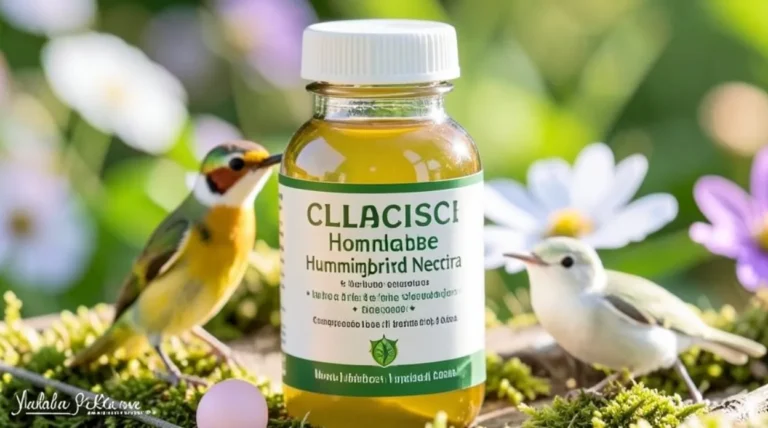
A simple 4-to-1 sugar water recipe attracts hummingbirds without any fancy ingredients. You only need regular white sugar and water, yet this tiny mix can turn your yard into a hummingbird hotspot. If you’ve ever watched a hummingbird zip around like it drank three cups of coffee before sunrise, you already know how entertaining these little birds can be. The best part? You can make hummingbird nectar in just a few minutes. No dyes, no expensive store-bought formulas, and definitely no mystery ingredients. Just a clean, easy recipe that hummingbirds love.
Why the 4-to-1 Ratio Works So Well
The classic hummingbird nectar recipe uses 4 parts water to 1 part white sugar. Bird experts and wildlife organizations recommend this ratio because it closely resembles the natural sugar concentration found in many flowers. Think about it from a hummingbird’s perspective. Flowers provide sweet energy that fuels constant flight, and these tiny birds burn calories at an incredible rate. They need reliable fuel throughout the day. Using the proper ratio gives them energy without overwhelming their delicate digestive systems. More sugar doesn’t mean better nectar. In fact, too much sugar can create problems.
What Makes This Ratio Special?
A 4-to-1 mixture offers several advantages:
- Provides quick energy for hummingbirds
- Mimics natural flower nectar
- Helps prevent dehydration
- Stays safe when prepared correctly
- Works for all common hummingbird species
IMO, one of the biggest mistakes people make involves trying to “improve” the recipe. Nature already figured this one out.
The Easy 4-to-1 Hummingbird Sugar Water Recipe
You probably already have everything you need sitting in your kitchen.
Ingredients
- 1 cup white granulated sugar
- 4 cups water
That’s it. Seriously. No food coloring. No honey. No brown sugar. No maple syrup. Just plain white sugar and water.
Instructions
- Bring the water to a boil.
- Add the sugar and stir until it dissolves completely.
- Remove from heat.
- Allow the mixture to cool completely.
- Fill your hummingbird feeder.
- Store any extra nectar in the refrigerator.
The boiling step helps dissolve the sugar quickly and creates a cleaner solution. Once the nectar cools, your feeder is ready for business.
Ingredients You Should Never Add
People often feel tempted to experiment. Resist that urge. Hummingbirds don’t need gourmet nectar. Some ingredients can actually harm them.
- Red food coloring – Feeders already provide plenty of visual attraction.
- Honey – Encourages harmful fungal growth.
- Brown sugar – Contains molasses that hummingbirds cannot process properly.
- Artificial sweeteners – Provide no nutritional value.
- Fruit juice – Spoils quickly and attracts unwanted insects.
If someone tells you their secret hummingbird recipe includes twelve ingredients and a family heirloom syrup blend, smile politely and keep using plain sugar water.
Keeping Your Feeder Clean and Safe
Fresh nectar matters just as much as the recipe itself. Warm temperatures can cause sugar water to spoil surprisingly fast. Nobody enjoys drinking spoiled beverages. Hummingbirds feel the same way.
How Often Should You Change Nectar?
Weather plays a huge role.
- Below 70°F (21°C): Every 4–5 days
- 70–80°F (21–27°C): Every 2–3 days
- Above 80°F (27°C): Daily or every other day
Check the nectar regularly. If it looks cloudy, discard it immediately.
Cleaning Your Feeder Properly
Clean your feeder every time you refill it. Use:
- Hot water
- A feeder brush
- A thorough rinse
Skip harsh soaps whenever possible. Residue can linger inside the feeder and affect birds. FYI, mold often hides in feeding ports where many people forget to look. Those tiny openings deserve extra attention.
How to Attract More Hummingbirds
Making nectar solves only part of the puzzle. You also need to create an environment that hummingbirds enjoy visiting. Fortunately, you don’t need a massive garden.
Choose the Right Feeder Location
Place feeders where birds can spot them easily. Look for locations that offer:
- Partial shade
- Nearby perches
- Protection from strong winds
- Clear flight paths
A feeder hanging in direct afternoon sun often heats up quickly and spoils nectar faster.
Plant Hummingbird-Friendly Flowers
Natural food sources encourage repeat visits. Popular choices include:
- Salvia
- Bee balm
- Columbine
- Trumpet vine
- Petunias
Bright red and orange blooms often catch hummingbirds’ attention first, although they happily visit many flower colors.
Common Mistakes That Chase Hummingbirds Away
Even with the perfect nectar recipe, a few simple mistakes can reduce feeder activity. The good news? Most of them are easy to fix.
Making Nectar Too Sweet
Some people assume extra sugar attracts more birds. It doesn’t. A stronger mixture can create health concerns and fails to mimic natural nectar concentrations.
Ignoring Feeder Maintenance
Dirty feeders rank among the fastest ways to discourage hummingbirds. Regular cleaning keeps birds healthy and encourages them to return.
Putting Out Huge Amounts of Nectar
Many beginners fill giant feeders completely. Unless dozens of hummingbirds visit daily, smaller amounts work better because the nectar stays fresher. Fresh nectar beats wasted nectar every time.
FAQ’s
Do I need to boil the water every time?
Boiling helps dissolve sugar completely and creates a cleaner mixture. While some people use hot tap water, boiling remains the preferred method for consistency and cleanliness.
Can I use organic sugar?
Some organic sugars work, but many contain extra molasses or impurities. Standard white granulated sugar remains the safest choice.
How long does homemade nectar last in the refrigerator?
Store unused nectar in a sealed container for up to one week. Always check for cloudiness or unusual odors before using it.
Why shouldn’t I add red food coloring?
Hummingbirds don’t need colored nectar. Red feeder parts attract them naturally, and food coloring provides no benefit.
Can hummingbirds survive on sugar water alone?
No. Sugar water supplies energy, but hummingbirds also eat insects and spiders for protein, vitamins, and minerals.
When should I put feeders out?
Place feeders outside before hummingbirds typically arrive in your area during migration. Early placement helps migrating birds find reliable food sources.
Related Recipes
- Whimsy Food Enchanted Sprinkle Waffles
- Mini Ham and Cheese Muffins
- Classic Homemade Hummingbird Nectar Recipe
Final Thoughts
The beauty of the easy 4-to-1 hummingbird sugar water recipe lies in its simplicity. With nothing more than white sugar, water, and a clean feeder, you can provide a valuable energy source for some of nature’s most fascinating visitors. Stick to the proven ratio, keep your feeder clean, and refresh the nectar regularly. Before long, you’ll likely find yourself pausing whatever you’re doing just to watch a hummingbird hover nearby. And honestly, that’s a pretty great reason to step outside for a few minutes.
Printable Recipe Card
Want just the essential recipe details without scrolling through the article? Get our printable recipe card with just the ingredients and instructions.