Easy Oatmeal Cookie Recipe – Soft, Chewy, and Comforting
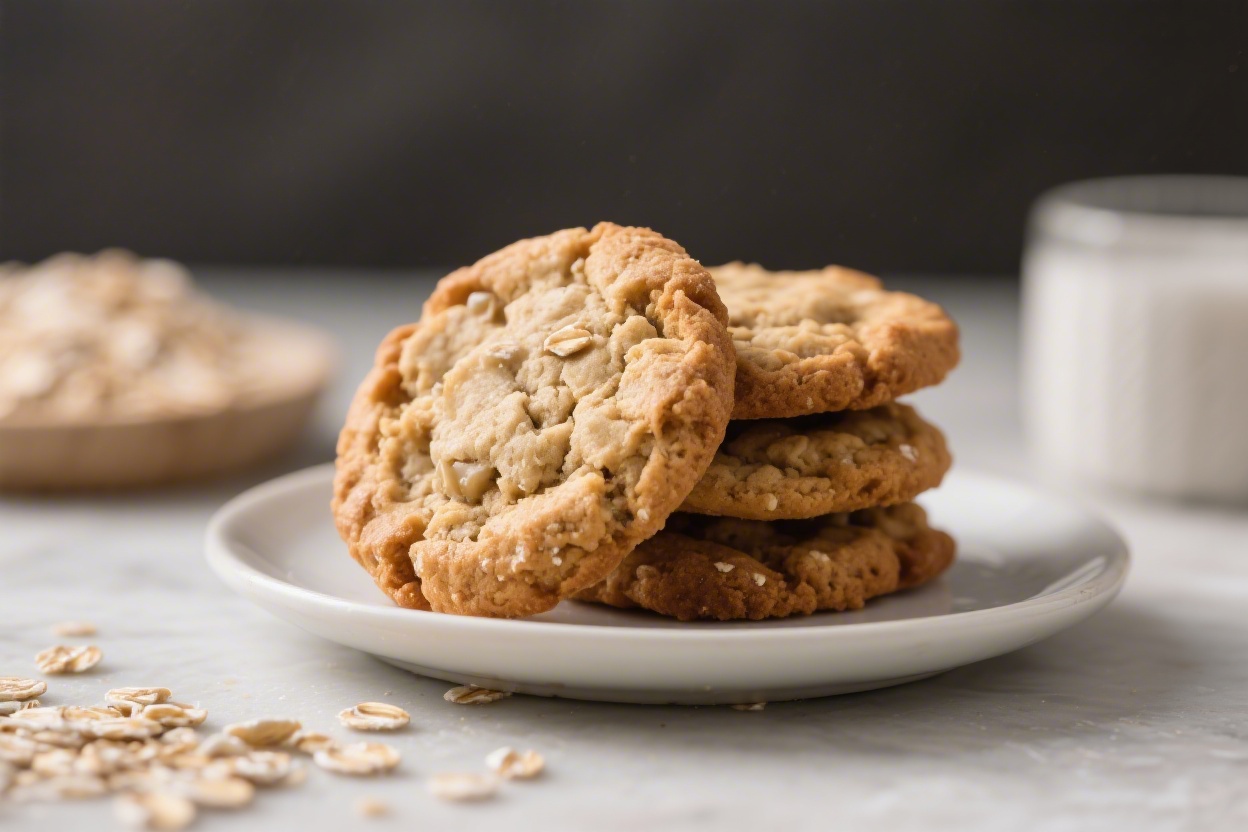
There’s something timeless about a warm oatmeal cookie. Soft in the center, lightly crisp at the edges, and full of cozy flavor, it’s the kind of treat that makes your kitchen smell amazing. This easy recipe keeps things simple while delivering great texture and taste.
No hard-to-find ingredients, no complicated steps—just classic cookies you can whip up any day of the week. If you love a reliable, go-to bake, this one’s worth bookmarking.
What Makes This Special
These oatmeal cookies are all about balance. They’re chewy without being cakey, sweet but not cloying, and lightly spiced to bring out the oats’ natural warmth.
The dough is forgiving, so it’s great for beginners, yet the results feel bakery-quality. You also get room to personalize. Add raisins, chocolate chips, or chopped nuts without throwing off the texture.
And with quick prep and short bake times, you can go from craving to cookie in under an hour.
Shopping List
- Old-fashioned rolled oats (avoid instant oats)
- All-purpose flour
- Unsalted butter, softened
- Brown sugar (light or dark)
- Granulated sugar
- Large eggs
- Vanilla extract
- Baking soda
- Ground cinnamon
- Fine salt
- Optional add-ins: raisins, chocolate chips, chopped walnuts or pecans, shredded coconut
Step-by-Step Instructions
- Preheat and prep. Set your oven to 350°F (175°C). Line two baking sheets with parchment paper or silicone mats to prevent sticking and promote even browning.
- Measure accurately. For best results, spoon flour into the measuring cup and level it off. This helps avoid dense cookies from packed flour.
- Cream the butter and sugars. In a large bowl, beat 1 cup (2 sticks) softened unsalted butter with 3/4 cup brown sugar and 1/2 cup granulated sugar until light and fluffy, about 2–3 minutes.This step builds structure and gives you that tender chew.
- Add eggs and vanilla. Beat in 2 large eggs, one at a time, then mix in 2 teaspoons vanilla extract. Scrape the bowl so everything mixes evenly.
- Whisk dry ingredients. In a separate bowl, whisk 1 1/2 cups all-purpose flour, 1 teaspoon baking soda, 1 teaspoon ground cinnamon, and 1/2 teaspoon fine salt.
- Combine wet and dry. Add the dry mixture to the butter mixture and mix on low just until combined. Avoid overmixing here to keep the cookies soft.
- Stir in oats (and extras). Fold in 3 cups old-fashioned rolled oats.If using add-ins, fold in up to 1 1/2 cups total—try 1 cup raisins or chocolate chips plus 1/2 cup chopped nuts. Don’t overload the dough.
- Chill briefly (optional but helpful). If your kitchen is warm, chill the dough for 15–20 minutes. Chilling prevents excessive spread and enhances flavor.
- Scoop and space. Use a 1 1/2-tablespoon scoop (about the size of a rounded tablespoon). Place scoops 2 inches apart on prepared sheets. For thicker cookies, keep rounded mounds.For slightly thinner cookies, gently press the tops.
- Bake. Bake 10–12 minutes, rotating pans halfway. Pull them when the edges are set and lightly golden, and the centers still look a bit soft. They’ll finish setting as they cool.
- Cool. Let cookies sit on the baking sheet for 5 minutes, then move them to a wire rack to cool completely.This helps lock in that chewy center.
How to Store
- Room temperature: Store in an airtight container for 4–5 days. Slip in a small piece of bread or a brown sugar saver to keep them soft.
- Freezer (baked cookies): Freeze in a single layer until firm, then transfer to a bag or container. They keep well for up to 2 months.Thaw at room temp or warm briefly in the microwave.
- Freezer (cookie dough): Scoop dough into balls, freeze on a tray, then bag. Bake from frozen at 350°F (175°C), adding 1–2 minutes to the bake time.
Benefits of This Recipe
- Beginner-friendly: Clear steps and simple ingredients make this a low-stress bake.
- Customizable: Works with raisins, chocolate chips, nuts, or coconut without changing the base recipe.
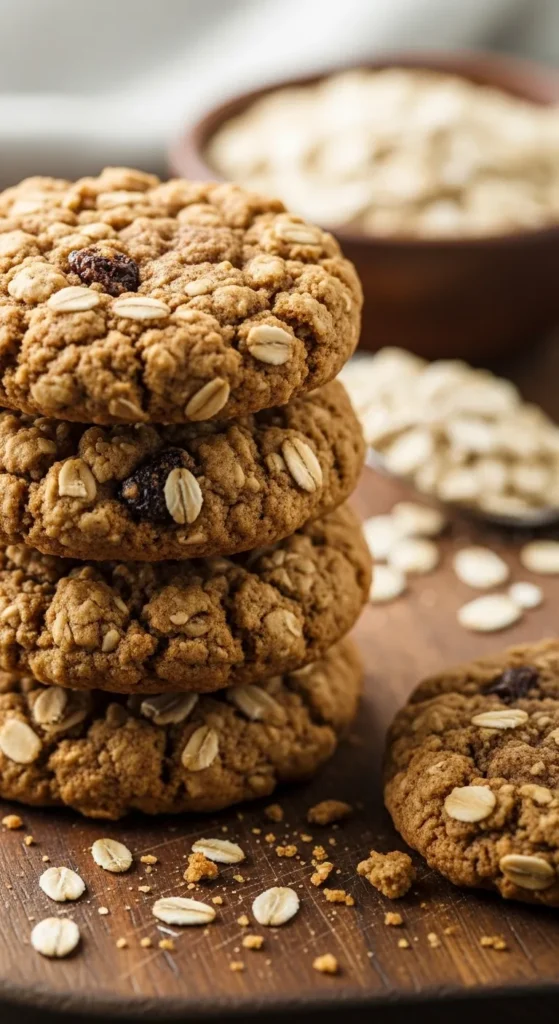
- Great texture: Chewy centers, crisp edges, and a hearty oat bite.
- Make-ahead friendly: Dough and baked cookies both freeze well.
- Balanced sweetness: A blend of brown and white sugar keeps flavor deep but not overly sweet.
Common Mistakes to Avoid
- Using instant oats: They break down too much and create a pasty texture. Stick with old-fashioned rolled oats.
- Packing the flour: Too much flour leads to dry, cakey cookies.Lightly spoon and level your flour.
- Overbaking: Pull them when the edges are golden and centers look slightly underdone. They set as they cool.
- Overmixing the dough: This develops gluten and makes cookies tough. Mix just until combined.
- Skipping the salt: A little salt sharpens flavor and balances sweetness.Don’t leave it out.
Alternatives
- Gluten-free: Use a 1:1 gluten-free flour blend and certified gluten-free oats. Chill the dough for 20–30 minutes to help it hold shape.
- Dairy-free: Swap in a dairy-free butter alternative (stick-style works best) and check add-ins for dairy.
- Lower sugar: Reduce granulated sugar by 2–3 tablespoons and use dark brown sugar for more depth. Expect slightly less spread.
- No-egg: Replace each egg with 3 tablespoons unsweetened applesauce or use a flax egg (1 tablespoon ground flax + 3 tablespoons water, rested 5 minutes).Texture will be a touch softer.
- Spice it up: Add 1/4 teaspoon nutmeg or cardamom, or swap vanilla for almond extract for a twist.
- Fruit-forward: Try golden raisins, dried cranberries, or chopped dried apricots. A handful of shredded coconut adds chew and aroma.
FAQ’s
Can I use quick oats instead of old-fashioned oats?
Quick oats can work in a pinch, but the texture will be softer and less chewy. For the best classic bite, use old-fashioned rolled oats.
Why did my cookies spread too much?
Your butter may have been too soft or the dough too warm.
Chill the dough for 15–20 minutes, and ensure you’re measuring flour correctly. Lining your baking sheet with parchment also helps control spread.
How do I make them thicker and chewier?
Slightly chill the dough, keep the scoops rounded, and avoid pressing them down. You can also add an extra 2 tablespoons of flour to the dough for a thicker result.
Can I double the recipe?
Yes.
Double all ingredients and bake in batches. If the kitchen is warm, keep half the dough in the fridge while you bake the first trays to prevent spreading.
What’s the best sugar to use?
A mix of brown and white sugar is ideal. Brown sugar adds moisture and chew, while white sugar contributes to light crispness at the edges.
Do I need to chill the dough?
It’s optional but helpful, especially in warm kitchens or if you want thicker cookies. Even 15 minutes can improve shape and flavor.
How do I know when they’re done?
Look for lightly golden edges and centers that still look soft.
If you bake until the centers are firm, they’ll be dry once cooled.
Can I make them smaller or larger?
Sure. For smaller cookies, use a 1-tablespoon scoop and start checking at 8–9 minutes. For larger cookies, use 2 tablespoons and bake 12–14 minutes, watching the edges closely.
Related Recipes
- Fall Charcuterie Board Ideas – Cozy, Seasonal Nibbles for Crisp Evenings
- Fall Potluck Ideas – Cozy, Crowd-Pleasing Dishes for Sharing
- Ginger Sesame Cabbage – A Bright, Flavor-Packed Side Dish
Wrapping Up
These easy oatmeal cookies deliver everything you want in a classic treat: a soft, chewy center, just-right sweetness, and a comforting, homey flavor.
They’re simple enough for weeknights, customizable for any crowd, and sturdy enough to store and share. Keep a batch of dough in the freezer, and you’ll always be minutes away from warm, fresh cookies. Happy baking!
Easy Oatmeal Cookie Recipe - Soft, Chewy, and Comforting
Instructions
- Preheat and prep. Set your oven to 350°F (175°C). Line two baking sheets with parchment paper or silicone mats to prevent sticking and promote even browning.
- Measure accurately. For best results, spoon flour into the measuring cup and level it off. This helps avoid dense cookies from packed flour.
- Cream the butter and sugars. In a large bowl, beat 1 cup (2 sticks) softened unsalted butter with 3/4 cup brown sugar and 1/2 cup granulated sugar until light and fluffy, about 2–3 minutes. This step builds structure and gives you that tender chew.
- Add eggs and vanilla. Beat in 2 large eggs, one at a time, then mix in 2 teaspoons vanilla extract. Scrape the bowl so everything mixes evenly.
- Whisk dry ingredients. In a separate bowl, whisk 1 1/2 cups all-purpose flour, 1 teaspoon baking soda, 1 teaspoon ground cinnamon, and 1/2 teaspoon fine salt.
- Combine wet and dry. Add the dry mixture to the butter mixture and mix on low just until combined. Avoid overmixing here to keep the cookies soft.
- Stir in oats (and extras). Fold in 3 cups old-fashioned rolled oats. If using add-ins, fold in up to 1 1/2 cups total—try 1 cup raisins or chocolate chips plus 1/2 cup chopped nuts. Don’t overload the dough.
- Chill briefly (optional but helpful). If your kitchen is warm, chill the dough for 15–20 minutes. Chilling prevents excessive spread and enhances flavor.
- Scoop and space. Use a 1 1/2-tablespoon scoop (about the size of a rounded tablespoon). Place scoops 2 inches apart on prepared sheets. For thicker cookies, keep rounded mounds. For slightly thinner cookies, gently press the tops.
- Bake. Bake 10–12 minutes, rotating pans halfway. Pull them when the edges are set and lightly golden, and the centers still look a bit soft. They’ll finish setting as they cool.
- Cool. Let cookies sit on the baking sheet for 5 minutes, then move them to a wire rack to cool completely. This helps lock in that chewy center.
Printable Recipe Card
Want just the essential recipe details without scrolling through the article? Get our printable recipe card with just the ingredients and instructions.