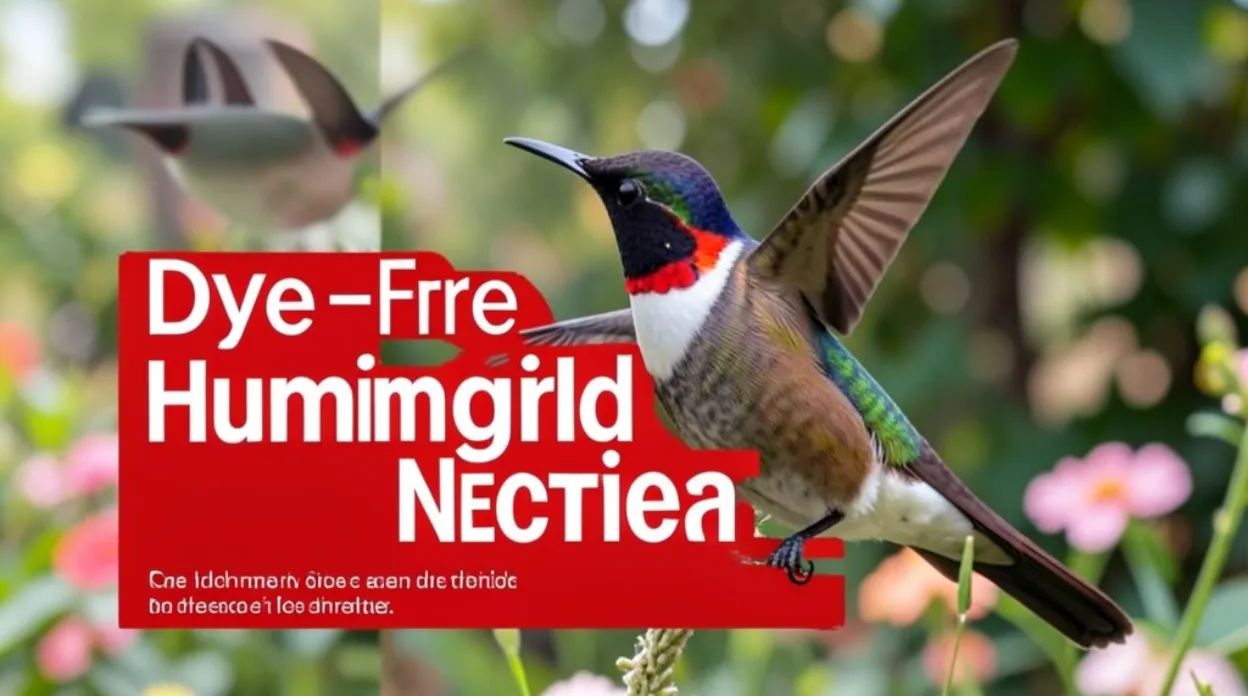
Red Dye-Free Hummingbird Nectar
If you want hummingbirds to visit your yard, skip the fancy store-bought mixes and keep it simple. A homemade red dye-free hummingbird nectar gives these tiny birds exactly what they need without any unnecessary extras. It takes just a few minutes to make, costs almost nothing, and works incredibly well. Honestly, the hummingbirds care far more about the sweet nectar than whether it looks like fruit punch.
Why Red Dye-Free Nectar Works So Well
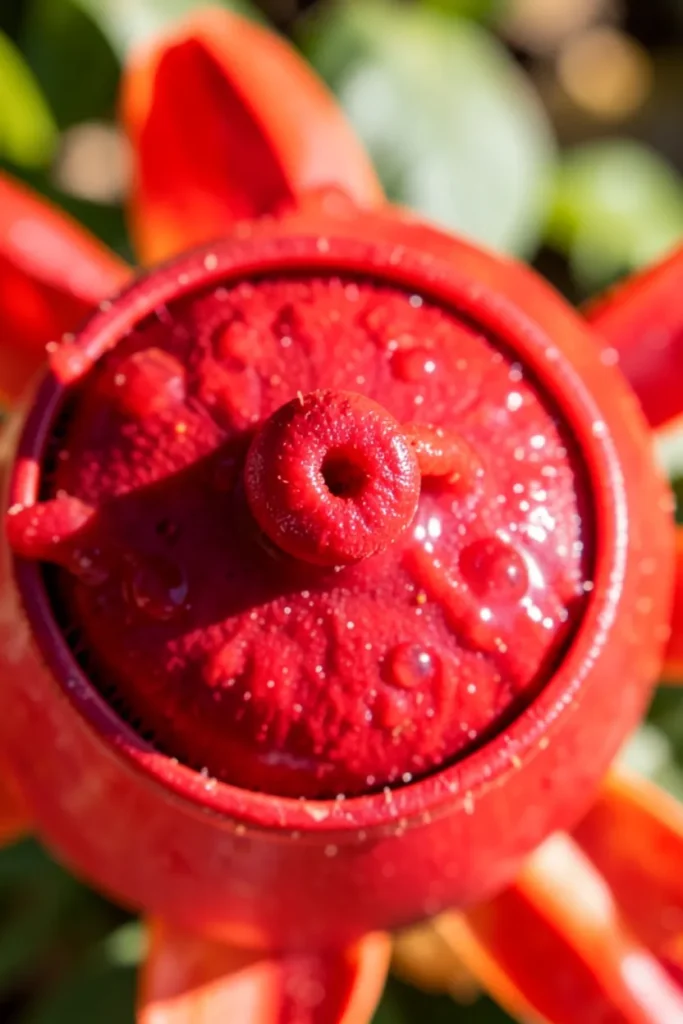
Many people assume hummingbirds need bright red nectar because feeders often contain red liquid. It seems logical, right? Red attracts hummingbirds, so the nectar should look red too. Not exactly. Hummingbirds use their excellent eyesight to spot colorful flowers and feeders. The red parts of the feeder catch their attention, not the liquid itself. Once they find a food source, they return because they remember where the good stuff lives. The nectar doesn’t need any coloring at all. In fact, most experienced bird enthusiasts stick with clear nectar. It mimics the natural sugar-rich fluids hummingbirds find in flowers and keeps the recipe wonderfully simple.
The Perfect Red Dye-Free Hummingbird Nectar Recipe
Here’s the classic recipe that hummingbird lovers have trusted for decades.
- 1 cup white granulated sugar
- 4 cups water
That’s it. No food coloring. No honey. No fancy ingredients with names that sound like a chemistry exam.
How to Make It
- Bring the water to a boil.
- Add the sugar and stir until it completely dissolves.
- Remove from heat.
- Allow the mixture to cool completely.
- Fill your feeder.
- Store extra nectar in the refrigerator.
The entire process takes about ten minutes, although waiting for it to cool often feels like the longest part.
Why the 4-to-1 Ratio Matters
Nature already figured this out. Many nectar-producing flowers contain sugar concentrations similar to the 4-to-1 water-to-sugar ratio. This mixture provides hummingbirds with quick energy while remaining easy for them to digest. Stick to the ratio. Adding extra sugar doesn’t help hummingbirds. It can actually create problems by making the solution too concentrated.
Why You Should Skip the Red Food Coloring
The biggest question people ask involves food coloring. If hummingbirds love red, why not add a few drops? The simple answer: they don’t need it. Scientists haven’t found any benefit from adding red dye to hummingbird nectar. The coloring serves human expectations more than bird nutrition. Many bird enthusiasts prefer avoiding artificial dyes entirely because they offer zero nutritional value. Why add something unnecessary when the birds happily drink clear nectar? Think of it this way. If someone offered you a perfectly good sandwich, would you care if the bread glowed neon red? Probably not. The hummingbirds feel pretty much the same.
Common Nectar Mistakes That Drive Bird Lovers Crazy
Everyone makes mistakes when they first start feeding hummingbirds. Some errors seem harmless but can create issues.
Using Honey
Honey sounds natural and healthy. Unfortunately, it can encourage harmful fungal growth inside feeders. Stick with plain white sugar.
Using Brown Sugar
Brown sugar contains molasses and extra minerals that hummingbirds don’t need. White sugar remains the best option.
Using Artificial Sweeteners
This one surprises some people. Artificial sweeteners contain little or no calories. Hummingbirds need actual energy, not diet food. These tiny birds burn calories faster than most of us burn through a weekend streaming marathon.
Forgetting to Clean the Feeder
Dirty feeders create much bigger problems than imperfect nectar recipes. Clean feeders regularly, even when nectar remains inside. Warm weather speeds up spoilage. Fresh nectar keeps hummingbirds healthy and encourages repeat visits.
Keeping Nectar Fresh During Hot Weather
Summer temperatures can turn nectar into a science experiment surprisingly fast. When temperatures climb, bacteria and mold multiply quickly. Nobody wants that. As a general rule:
- Change nectar every 2 days when temperatures exceed 90°F (32°C)
- Change nectar every 3-4 days during moderate weather
- Inspect feeders daily for cloudiness or mold
Signs It’s Time to Replace Nectar
Watch for these warning signs:
- Cloudy liquid
- Floating particles
- Dark spots inside the feeder
- Stringy growth around feeding ports
- Fermented smell
If something looks questionable, replace it. FYI, hummingbirds usually notice bad nectar before we do. If visits suddenly stop, check the feeder first.
How to Attract More Hummingbirds Naturally
Great nectar helps, but the feeder alone won’t do all the work. Create a hummingbird-friendly space and you’ll see better results.
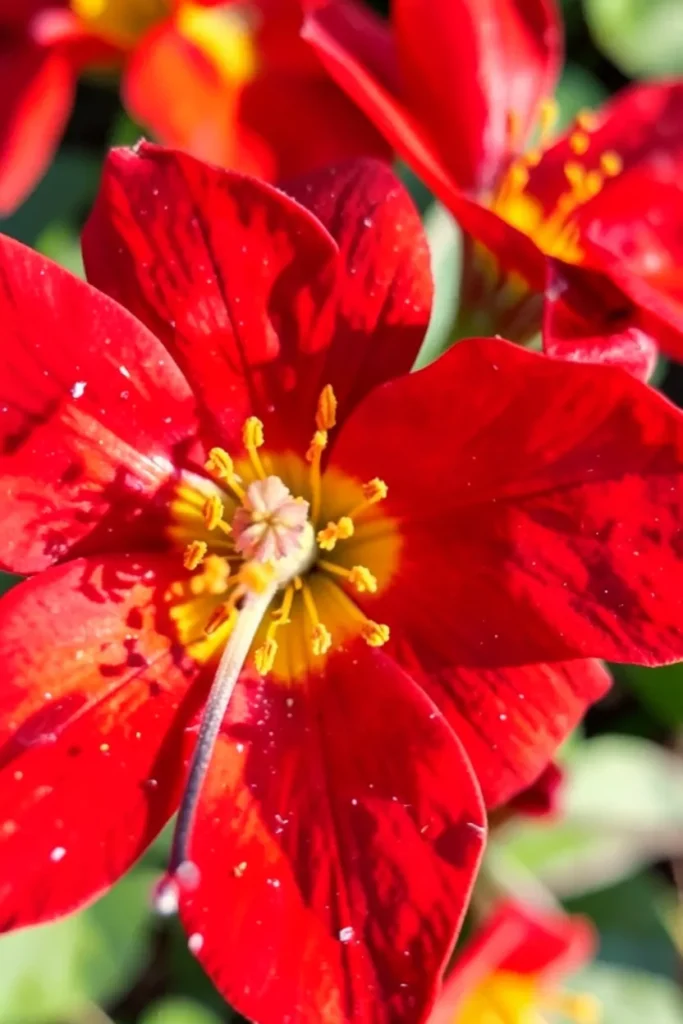
Add Nectar-Rich Flowers
Hummingbirds love tubular blooms that provide easy access to nectar. Popular choices include:
- Salvia
- Bee balm
- Cardinal flower
- Trumpet vine
- Petunias
The combination of flowers and feeders often works better than either one alone.
Provide Multiple Feeders
Hummingbirds can get surprisingly territorial. One dominant bird may try to guard an entire feeder. Adding several feeders around your yard reduces competition and gives more birds a chance to eat. It’s basically the bird version of opening another checkout lane.
Offer Water Sources
Hummingbirds enjoy shallow moving water. A gentle mist or small fountain can attract additional visitors while giving them a place to cool off and bathe. IMO, watching a hummingbird zip through a fine mist ranks among the coolest backyard wildlife experiences.
FAQ’s
How long can I store homemade hummingbird nectar?
Store extra nectar in a sealed container in the refrigerator for up to one week. Discard anything older and make a fresh batch.
Do hummingbirds really prefer red feeders?
Yes. Red feeder components help hummingbirds locate food sources. However, the nectar itself does not need red coloring.
Can I use organic sugar?
Many bird experts recommend plain white granulated sugar because it closely matches the sucrose content hummingbirds naturally consume. Some organic sugars may contain additional impurities.
Should I boil the water every time?
Boiling helps dissolve sugar quickly and reduces impurities. While some people use very hot water instead, boiling remains the most widely recommended method.
Can hummingbirds survive on nectar alone?
No. Nectar provides energy, but hummingbirds also eat small insects and spiders for protein and essential nutrients.
How quickly will hummingbirds find a new feeder?
That depends on your location and migration timing. Some birds discover new feeders within hours, while others may take several days or weeks.
Related Recipes
- Mini Ham and Cheese Muffins
- Classic Homemade Hummingbird Nectar Recipe
- Easy 4-to-1 Hummingbird Sugar Water
Final Thoughts
Red dye-free hummingbird nectar proves that simple often works best. A straightforward mixture of white sugar and water provides the energy hummingbirds need without unnecessary ingredients. Keep the feeder clean, refresh the nectar regularly, and let the feeder’s red accents do the advertising. Before long, you’ll likely find yourself checking the window far too often just to catch another glimpse of those tiny feathered rockets.