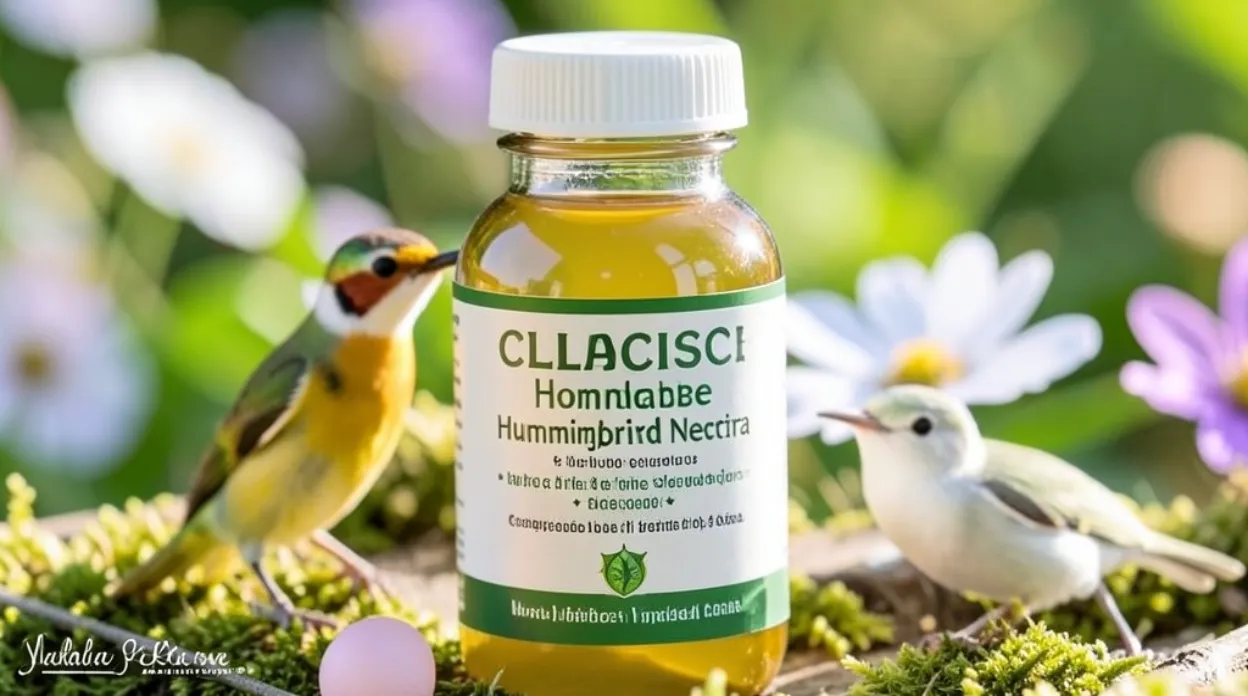
Classic Homemade Hummingbird Nectar Recipe
If you want to attract hummingbirds without spending a fortune on store-bought mixes, you only need two ingredients and a few minutes. Classic homemade hummingbird nectar keeps things simple, safe, and surprisingly effective. The tiny visitors don’t care about fancy labels or exotic flavors—they just want a reliable source of sweet energy. Lucky for us, making it at home couldn’t be easier.
Why Homemade Hummingbird Nectar Works So Well
Hummingbirds burn energy at an incredible rate. Their wings beat so fast that they need frequent meals throughout the day. That’s where nectar comes in. Homemade hummingbird nectar mimics the natural sweetness found in many flowers. You don’t need dyes, additives, or mysterious ingredients with names that sound like rejected science-fiction characters. In fact, many experienced bird enthusiasts prefer homemade nectar because they control exactly what goes into it. Simple often wins.
The Magic Ratio
The classic recipe follows one simple rule:
- 1 part white granulated sugar
- 4 parts water
That’s it. Seriously. No honey. No brown sugar. No maple syrup. No fruit juice experiments that turn your feeder into a microbial science project.
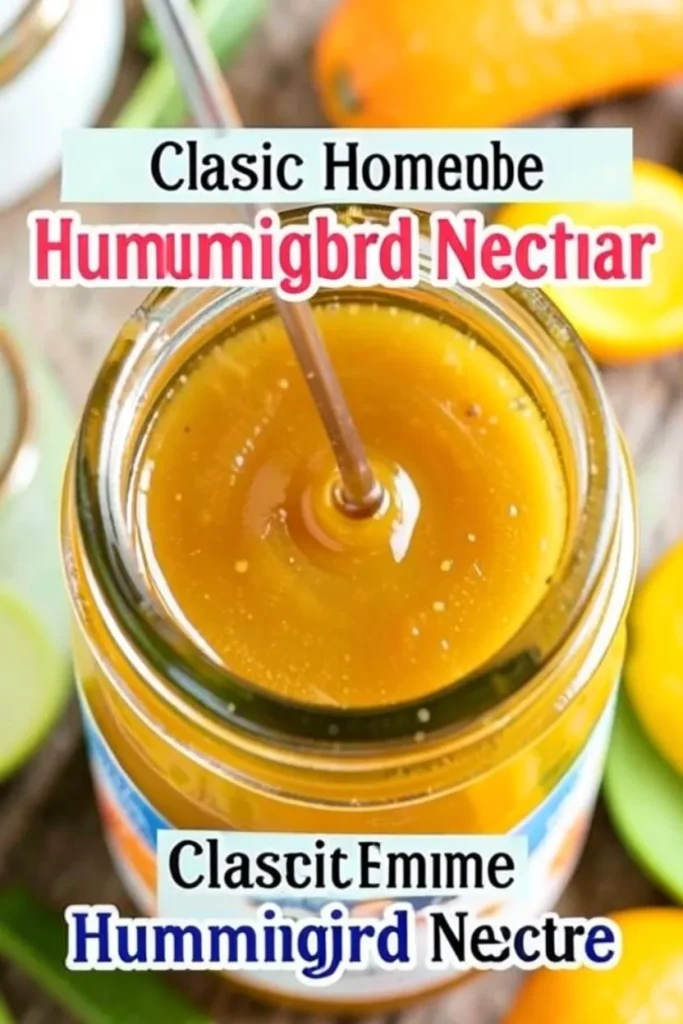
How to Make Classic Homemade Hummingbird Nectar
The process takes less time than scrolling through social media for “just five minutes.”
- Measure 1 cup of white sugar.
- Measure 4 cups of water.
- Bring the water to a boil.
- Stir in the sugar until it completely dissolves.
- Allow the mixture to cool completely.
- Fill your hummingbird feeder.
- Store any extra nectar in the refrigerator.
Once cooled, the nectar looks clear and simple. That’s exactly what you want.
Do You Always Need to Boil the Water?
Many bird lovers boil the water because it helps dissolve the sugar quickly and reduces impurities. If you use clean drinking water, the most important thing remains complete sugar dissolution and proper feeder maintenance. Either way, never pour hot nectar into a feeder. Your feathered guests won’t appreciate a surprise steam bath.
Choosing the Right Ingredients
Not all sweeteners deserve a place in hummingbird nectar. Some alternatives may actually harm the birds. Use only regular white granulated sugar. Avoid these ingredients:
- Honey
- Brown sugar
- Powdered sugar
- Artificial sweeteners
- Molasses
- Maple syrup
- Agave nectar
- Fruit juice
These products can promote harmful growth, contain unsuitable minerals, or create digestive issues. IMO, the biggest mistake people make involves trying to “improve” the recipe. Nature already handled the design work.
Skip the Red Dye
You may notice some commercial products contain red coloring. Many bird experts recommend avoiding artificial dyes altogether. Hummingbirds find feeders because of the red parts on the feeder itself, not because the nectar looks like fruit punch. Clear nectar is the gold standard.
Keeping Your Feeder Clean Matters More Than You Think
Making nectar takes minutes. Cleaning feeders takes a little effort. Guess which task actually protects hummingbirds the most? Dirty feeders can develop mold, bacteria, and fermentation. None of those belong on the hummingbird menu. Wash feeders regularly using hot water and a feeder brush. Pay special attention to feeding ports and hidden crevices.
How Often Should You Change Nectar?
Weather plays a huge role.
- Hot weather: every 1-2 days
- Warm weather: every 2-3 days
- Cool weather: every 3-5 days
If the nectar looks cloudy, discard it immediately. When in doubt, replace it. Sugar costs less than dealing with a feeder full of spoiled nectar.
Tips for Attracting More Hummingbirds
Fresh nectar helps, but placement and habitat matter too. Try these simple strategies:
- Place feeders where birds can easily spot them.
- Add multiple feeders if hummingbirds compete.
- Keep feeders partially shaded.
- Plant nectar-rich flowers nearby.
- Provide perches for resting.
- Maintain a consistent nectar supply.
Hummingbirds remember reliable food sources. Once they trust your yard, they often return regularly.
Best Locations for Feeders
Choose spots that offer both visibility and safety. A feeder near flowering plants often performs better than one hanging alone in an empty corner. Birds like convenience just as much as humans do. Avoid placing feeders directly next to windows where collisions might occur.
Common Mistakes People Make
Even well-meaning bird lovers occasionally make mistakes. Fortunately, most problems have easy fixes. Mistake #1: Using the wrong sugar. Stick with plain white granulated sugar. Mistake #2: Adding food coloring. The feeder provides enough visual attraction. Mistake #3: Forgetting to clean the feeder. Fresh nectar means little inside a dirty feeder. Mistake #4: Leaving nectar out too long. Spoiled nectar can become dangerous. Mistake #5: Overcomplicating the recipe. The birds never requested gourmet service. FYI, the simplest recipe remains popular for a reason—it consistently works.
FAQ’s
Can I make a larger batch of hummingbird nectar?
Absolutely. Just maintain the 1-to-4 sugar-to-water ratio. Store extra nectar in a sealed container in the refrigerator for up to about a week.
Can hummingbirds drink cold nectar?
Yes. Refrigerated nectar should warm slightly before you place it outdoors, but hummingbirds can drink nectar that isn’t perfectly room temperature.
Why aren’t hummingbirds visiting my feeder?
Location, season, local migration patterns, and nearby food sources all affect activity. Fresh nectar, a clean feeder, and patience usually help.
Can I use bottled or filtered water?
Yes. Clean drinking water works well. The key factors remain proper sugar concentration and feeder cleanliness.
How do I know when nectar has gone bad?
Look for cloudiness, floating particles, discoloration, or unusual odors. Replace nectar immediately if you notice any of these signs.
Should I leave feeders up after hummingbirds disappear?
Many bird enthusiasts leave feeders up for a short period during migration seasons. Late migrants may still pass through and appreciate the extra food source.
Related Recipes
- Whimsy Food Confetti Cheesecake Bites
- Whimsy Food Enchanted Sprinkle Waffles
- Mini Ham and Cheese Muffins
Conclusion
Classic homemade hummingbird nectar proves that sometimes the simplest solutions really are the best. With nothing more than white sugar, water, and a clean feeder, you can create a welcoming stop for some of nature’s most fascinating visitors. Keep the recipe simple, change the nectar regularly, and maintain a clean feeder, and you’ll give hummingbirds exactly what they need—no fancy ingredients required.