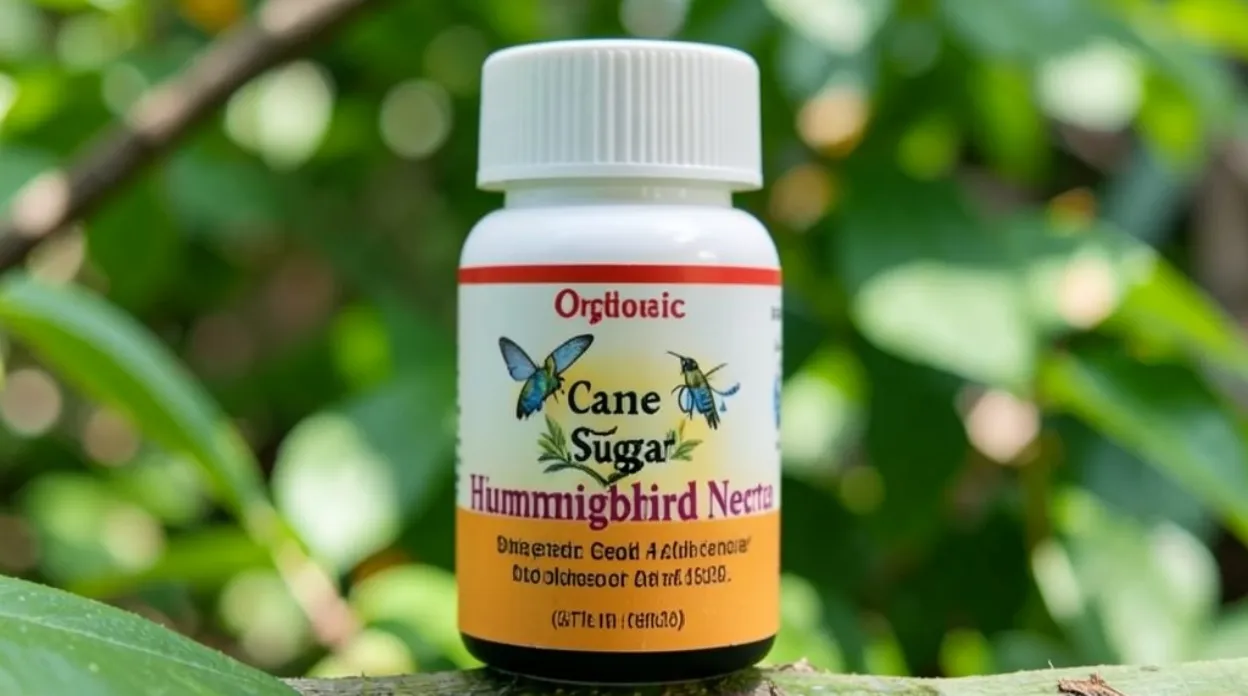
Organic Cane Sugar Hummingbird Nectar
Organic cane sugar hummingbird nectar sounds fancy, but the idea stays delightfully simple: mix sugar and water, fill your feeder, and watch tiny feathered rockets zoom into your yard. Many bird lovers choose organic cane sugar because they prefer a less processed option and like knowing exactly what goes into their homemade nectar. The best part? You don’t need special equipment, expensive ingredients, or a degree in bird science. Just a few minutes in the kitchen and you’re ready to attract some of nature’s most entertaining visitors.
Why People Choose Organic Cane Sugar for Hummingbird Nectar
If you’ve ever stood in the baking aisle staring at different sugar options, you’re not alone. White sugar, organic sugar, raw sugar, brown sugar—it can feel like a surprisingly dramatic decision for something that ends up dissolved in water. Many hummingbird enthusiasts prefer organic cane sugar because it comes from sugar cane and typically undergoes less processing than conventional refined white sugar. Some people simply like using organic ingredients whenever possible. That said, the most important factor remains simplicity. Hummingbirds naturally consume nectar from flowers, which mainly provides sugar for energy. Your homemade nectar should mimic that straightforward food source. Good hummingbird nectar focuses on two ingredients only:
- Organic cane sugar
- Clean water
No dyes. No flavorings. No “secret ingredients.” The birds didn’t ask for a gourmet menu.
The Perfect Organic Cane Sugar Hummingbird Nectar Recipe
Making nectar takes only a few minutes. Ingredients:
- 1 cup organic cane sugar
- 4 cups water
This creates the classic 4-to-1 ratio that closely resembles the sugar concentration found in many flowers.
Simple Preparation Steps
- Bring the water to a boil.
- Add the organic cane sugar.
- Stir until the sugar completely dissolves.
- Remove from heat.
- Allow the mixture to cool completely.
- Fill your hummingbird feeder.
- Store extra nectar in the refrigerator.
That’s it. Seriously. Sometimes the simplest recipes produce the best results, and hummingbird nectar ranks near the top of that list.
Why Boiling Helps
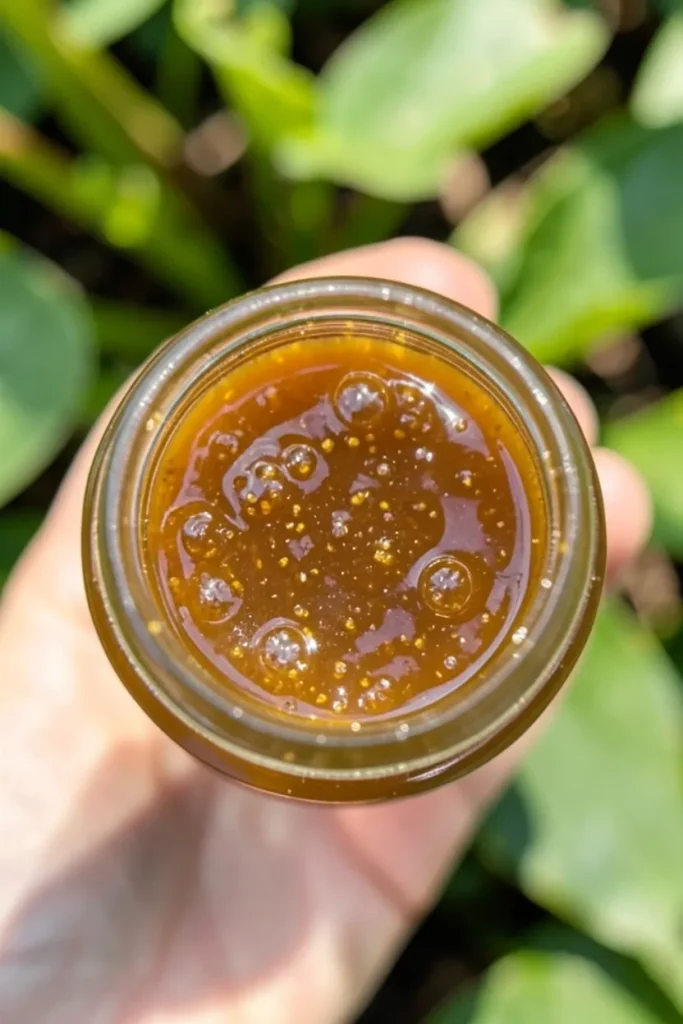
Boiling serves a useful purpose. It helps dissolve the sugar quickly and can reduce impurities in the water. You don’t need to boil the mixture for a long time. Once the sugar dissolves, your job is basically done. Hummingbirds appreciate efficiency, and honestly, so do most of us.
What Makes a Good Hummingbird Nectar?
People often assume they need to create something complicated to attract hummingbirds. In reality, the opposite works better. A quality nectar should be:
- Clear
- Fresh
- Free from dyes
- Made with the proper sugar-to-water ratio
- Changed regularly
The cleanliness of your feeder often matters more than tiny differences between sugar brands. Think of it this way: would you rather drink fresh water from a clean glass or fancy juice from a dirty one? The hummingbird probably votes for the clean feeder every time.
Common Mistakes That Can Hurt Your Nectar
Most hummingbird lovers mean well. Unfortunately, the internet occasionally offers some creative nectar advice that belongs in the trash.
Adding Red Food Coloring
Many people still believe hummingbirds need red nectar. They don’t. The red parts of the feeder attract the birds. The nectar itself should remain clear. Adding dye provides no benefit and only introduces unnecessary ingredients.
Using Brown Sugar
Brown sugar contains molasses, which can cause problems for hummingbirds. Skip it entirely.
Choosing Artificial Sweeteners
Artificial sweeteners might help humans cut calories, but hummingbirds need real sugar for energy. Never substitute sugar with:
- Stevia
- Aspartame
- Sucralose
- Sugar-free products
Tiny birds burn enormous amounts of energy every day. They need actual fuel.
Leaving Nectar Out Too Long
Fresh nectar eventually spoils. During hot weather, nectar can ferment or develop mold surprisingly quickly. Regular replacement protects visiting birds and keeps your feeder attractive.
Keeping Your Feeder Clean and Safe
Making nectar represents only half the job. Maintaining a clean feeder matters just as much. A dirty feeder can discourage hummingbirds and create unhealthy conditions. Follow these simple cleaning habits:
- Rinse feeders thoroughly between refills.
- Scrub feeding ports with a small brush.
- Use hot water for cleaning.
- Avoid harsh soaps whenever possible.
- Inspect for mold regularly.
How Often Should You Change Nectar?
Weather plays a major role.
- Every 1–2 days during extreme heat
- Every 2–3 days in warm weather
- Every 4–5 days during cooler conditions
FYI, if the nectar looks cloudy, toss it immediately and clean the feeder before refilling.
Tips for Attracting More Hummingbirds
Once you’ve mastered nectar preparation, you might wonder how to increase hummingbird traffic. The answer involves more than just sugar water.
Plant Nectar-Rich Flowers
Natural food sources help create a hummingbird-friendly environment. Popular options include:
- Salvia
- Bee balm
- Trumpet vine
- Petunias
- Columbine
These flowers provide food while making your garden look fantastic.
Offer Multiple Feeders
Hummingbirds can become surprisingly territorial. One bird may attempt to guard an entire feeder like it owns the neighborhood. Adding several feeders around your yard reduces competition. IMO, watching hummingbird drama unfold can feel like a reality TV show with wings.
Provide Water Sources
Hummingbirds enjoy shallow water features and gentle misters. A small fountain or mister can encourage birds to visit more frequently.
Organic vs. Regular Sugar: Does It Matter to Hummingbirds?
This question sparks endless debates among bird enthusiasts. The truth? Scientists haven’t found evidence that hummingbirds specifically prefer organic cane sugar over regular white table sugar when both provide the same sugar-water ratio. Many people choose organic cane sugar because they prefer organic products for environmental or personal reasons. Others use regular refined white sugar and achieve excellent results. The key priorities remain:
- Use cane sugar.
- Maintain the 4-to-1 ratio.
- Keep nectar fresh.
- Clean feeders consistently.
Those factors influence hummingbird health far more than marketing labels on a sugar package.
FAQ’s
Can I use organic raw sugar for hummingbird nectar?
It’s best to avoid raw sugars that contain extra molasses or impurities. Plain organic cane sugar works more reliably and closely matches recommended nectar recipes.
Do hummingbirds need red-colored nectar?
No. Hummingbirds find feeders through visual cues, including red feeder parts and nearby flowers. Keep the nectar clear and dye-free.
How long can homemade nectar stay in the refrigerator?
Fresh homemade nectar typically stays good in the refrigerator for up to one week when stored in a clean, sealed container.
Can I make a stronger sugar mixture?
The standard 1-to-4 sugar-to-water ratio works best for routine feeding. Stronger mixtures can create unnecessary stress on birds and may spoil faster.
Should I use filtered water?
Filtered water can work well, especially if your tap water contains noticeable minerals or odors. Clean tap water also works fine in many locations.
What if ants keep finding my feeder?
Try using an ant moat, relocating the feeder, or applying feeder accessories designed to block crawling insects. Avoid putting oils or sticky substances directly on feeder surfaces.
Related Recipes
- Easy 4-to-1 Hummingbird Sugar Water
- Red Dye-Free Hummingbird Nectar
- Quick Boiled Hummingbird Food Recipe
Conclusion
Organic cane sugar hummingbird nectar proves that attracting hummingbirds doesn’t require expensive products or complicated recipes. A simple mix of organic cane sugar and water creates a reliable energy source that these remarkable birds readily enjoy. Keep your nectar fresh, maintain a clean feeder, and skip unnecessary additives. Before long, you’ll have a front-row seat to one of nature’s most entertaining aerial shows—and trust me, those tiny speedsters never fail to steal the spotlight.
Printable Recipe Card
Want just the essential recipe details without scrolling through the article? Get our printable recipe card with just the ingredients and instructions.