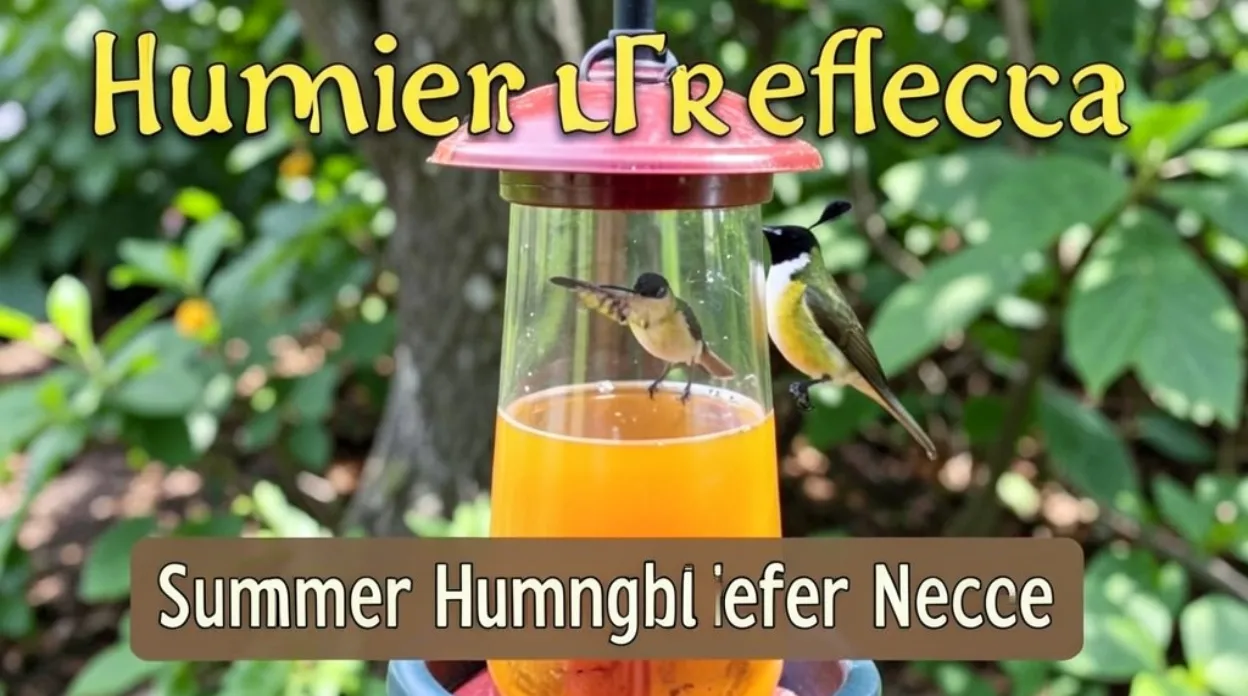
Homemade Summer Hummingbird Feeder Nectar
Nothing beats the excitement of spotting a hummingbird zipping through your yard on a hot summer day. These tiny birds burn through energy at an incredible rate, and a fresh feeder filled with homemade nectar gives them a reliable place to refuel. The best part? You only need two simple ingredients and a few minutes of your time. No fancy mixes, no mystery ingredients, and definitely no neon-red liquid that looks like it belongs in a science experiment.
Why Homemade Nectar Works So Well
Summer brings longer days, blooming flowers, and plenty of hungry hummingbirds. While natural nectar remains their favorite food source, a feeder helps supplement their diet when flowers become scarce or competition gets intense. Homemade nectar mimics the sweetness found in many flowers. It gives hummingbirds quick energy without unnecessary additives. Plus, you control exactly what goes into the feeder. Store-bought options often cost more than necessary. Why spend extra money when your kitchen already holds everything you need?
The Simplicity Is the Secret
Many people assume they need special ingredients. They don’t. A proper hummingbird nectar recipe contains:
- Plain white granulated sugar
- Clean water
That’s it. Seriously. No food coloring. No honey. No fruit juice. No maple syrup. Keep it simple and the birds will thank you.
The Perfect Summer Nectar Recipe
If you remember only one thing from this article, remember the ratio. Use 1 part sugar to 4 parts water. This mixture closely resembles the natural sugar concentration found in many flowers that hummingbirds visit. For a standard batch:
- 1 cup white sugar
- 4 cups water
Mix the ingredients until the sugar dissolves completely. Some people boil the water first, while others use warm water and stir thoroughly. Either method works as long as the sugar dissolves fully.
Small-Batch Option
Don’t need a full feeder? Try:
- 1/4 cup sugar
- 1 cup water
This smaller amount helps reduce waste during periods of lower hummingbird activity.
Why Red Dye Doesn’t Belong
Hummingbirds find feeders because of the red parts already built into most feeder designs. They don’t need dyed nectar. Adding red food coloring offers zero nutritional benefit. It only adds unnecessary ingredients to something that already works perfectly. IMO, if the recipe needs a chemistry set, it probably isn’t a hummingbird recipe anymore.
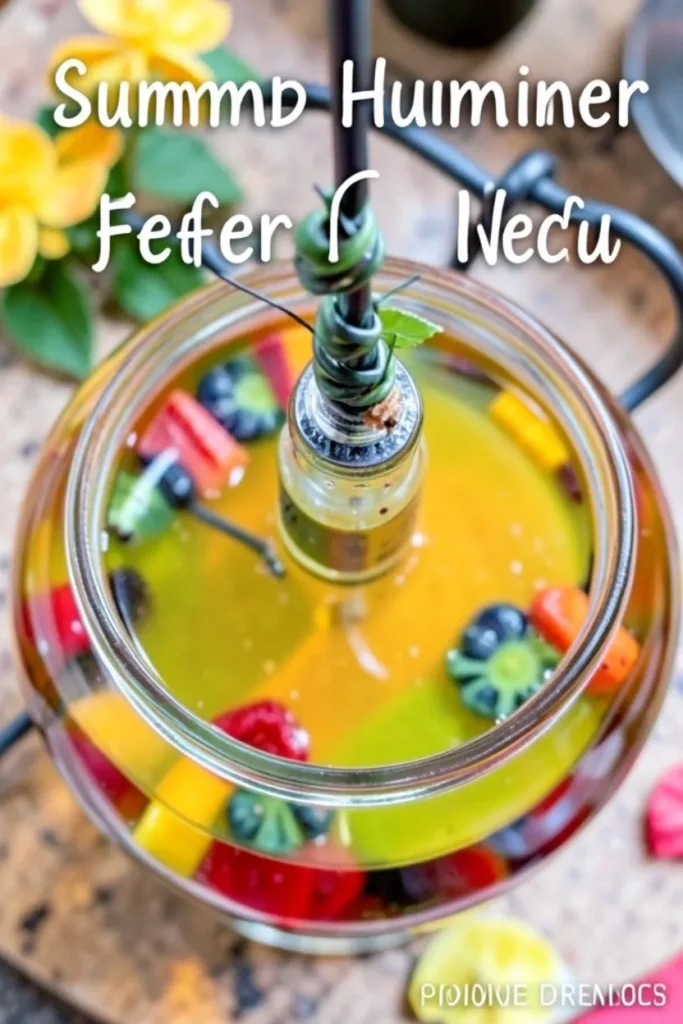
Keeping Nectar Fresh During Hot Summer Weather
Summer heat turns fresh nectar into spoiled nectar surprisingly fast. The hotter the weather gets, the more attention your feeder needs. Fresh nectar helps protect hummingbirds from harmful mold, bacteria, and fermentation. As a general guide:
- Below 75°F (24°C): Change every 4–5 days
- 75–85°F (24–29°C): Change every 2–3 days
- Above 85°F (29°C): Change daily or every other day
If the nectar looks cloudy, dump it immediately. Don’t try the “it still looks mostly okay” test. The birds deserve better.
Signs Your Nectar Needs Replacing
Watch for:
- Cloudy liquid
- Black spots inside the feeder
- Stringy growth
- Floating debris
- Unusual odor
Any of these signs mean it’s cleaning time.
Choosing the Best Spot for Your Feeder
Location matters almost as much as the nectar itself. A feeder placed in the wrong spot can overheat quickly, causing nectar to spoil faster. It may also become difficult for hummingbirds to notice. Look for a location that offers:
- Partial shade during the hottest hours
- Nearby trees or shrubs for resting
- Protection from strong winds
- Good visibility for passing birds
Many people hang feeders directly in full sun because it looks pretty. The hummingbirds may still visit, but you’ll replace nectar much more often. Your future self will appreciate a little shade.
Give Them a Safe Escape Route
Hummingbirds constantly watch for predators. Place feeders near natural cover so they can dart away if they feel threatened. A nearby shrub or small tree works perfectly. Just don’t tuck the feeder completely inside dense branches where birds struggle to find it.
Cleaning Your Feeder Without Making It Complicated
Let’s talk about the least exciting part of hummingbird feeding: cleaning. Nobody hangs a feeder because they love scrubbing tiny plastic flowers. Unfortunately, clean feeders attract more birds and keep them healthier. Fortunately, the process stays pretty simple.
- Empty any old nectar.
- Disassemble the feeder.
- Rinse thoroughly with hot water.
- Use a small brush to remove residue.
- Rinse again until completely clean.
- Refill with fresh nectar.
That’s it.
Avoid Harsh Chemicals
Skip strong detergents whenever possible. Hot water and a cleaning brush usually handle routine maintenance. If stubborn mold appears, use a mild vinegar solution followed by thorough rinsing. You want the feeder smelling like absolutely nothing.
Attracting More Hummingbirds Naturally
A feeder helps, but flowers create the complete package. Planting nectar-rich blooms encourages hummingbirds to visit regularly and stay longer. Think of the feeder as the snack bar and the garden as the full buffet. Popular hummingbird-friendly flowers include:
- Bee balm
- Salvia
- Trumpet vine
- Petunias
- Columbine
- Cardinal flower
The more natural food sources you provide, the more appealing your yard becomes.
Multiple Feeders Reduce Drama
Here’s a fun fact: hummingbirds can act surprisingly territorial. One dominant bird may try to guard an entire feeder. Sometimes it looks like a tiny flying security guard working an overtime shift. Place multiple feeders around the yard to reduce competition and encourage more birds to feed comfortably. FYI, this strategy works much better than expecting hummingbirds to suddenly start sharing.
Common Mistakes That Drive Bird Lovers Crazy
Most hummingbird-feeding mistakes come from good intentions. People want to help, so they add ingredients they assume must be beneficial. Unfortunately, those extras often create problems. Avoid these common mistakes:
- Using honey instead of sugar
- Adding red food coloring
- Using brown sugar
- Using artificial sweeteners
- Leaving nectar out too long
- Skipping regular cleaning
Simple recipes consistently produce the best results. The hummingbirds don’t care about gourmet upgrades.
FAQ’s
Can I use organic sugar for hummingbird nectar?
Plain white sugar remains the best choice because it closely matches natural flower nectar. Some organic sugars work if they are refined white sugar, but avoid products containing molasses or additional minerals.
How long can I store extra nectar?
Store unused nectar in a sealed container inside the refrigerator for up to one week. After that, make a fresh batch to ensure quality.
Should I boil the nectar every time?
Many bird enthusiasts boil water to help dissolve sugar and reduce impurities. Others use warm water and mix thoroughly. The key requirement involves completely dissolving the sugar.
Do hummingbirds eat anything besides nectar?
Absolutely. Hummingbirds also eat tiny insects and spiders. These foods provide important protein and nutrients that nectar alone cannot supply.
Why aren’t hummingbirds visiting my feeder?
Several factors may affect visitation. New feeders often require time for birds to discover them. Poor placement, spoiled nectar, lack of nearby flowers, or abundant natural food sources can also reduce activity.
Can I leave my feeder up all summer?
Yes. In fact, maintaining a clean feeder throughout summer provides a reliable food source during peak hummingbird season. Just keep up with cleaning and nectar changes.
Related Recipes
- Backyard Hummingbird Sweet Nectar Mix
- Natural Spring Water Hummingbird Nectar
- Simple No-Boil Hummingbird Nectar
Conclusion
Homemade summer hummingbird feeder nectar proves that the simplest solutions often work best. A basic mixture of sugar and water provides the quick energy hummingbirds need while keeping your feeding routine affordable and easy. Keep the nectar fresh, clean the feeder regularly, and place it in a smart location. Before long, you’ll enjoy a steady stream of tiny feathered visitors performing aerial acrobatics right outside your window—and honestly, that’s a pretty great reward for stirring sugar into water.