Sweet and Spicy Yangnyeom Korean Fried Chicken Recipe
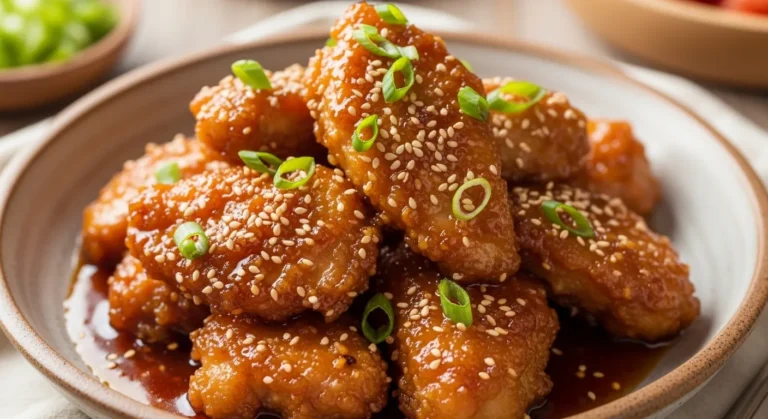
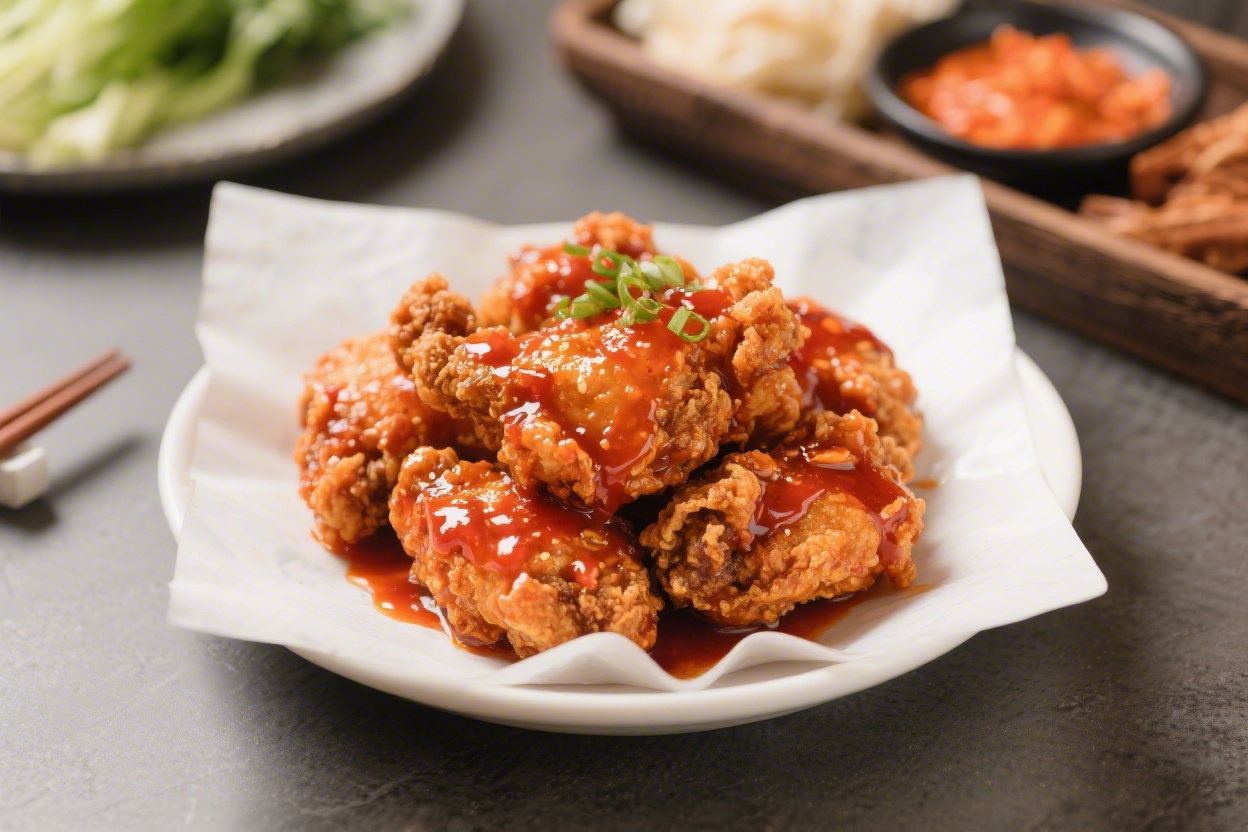
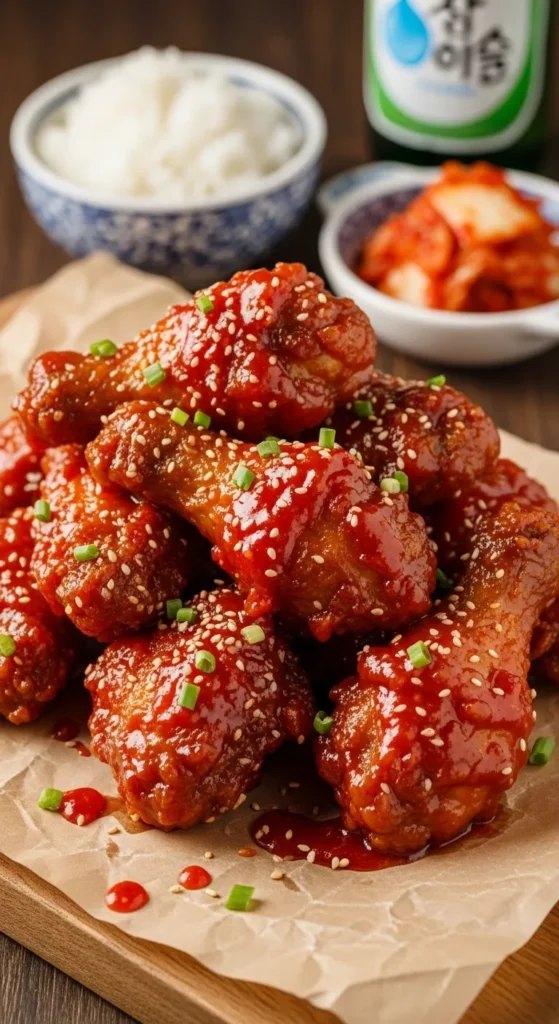
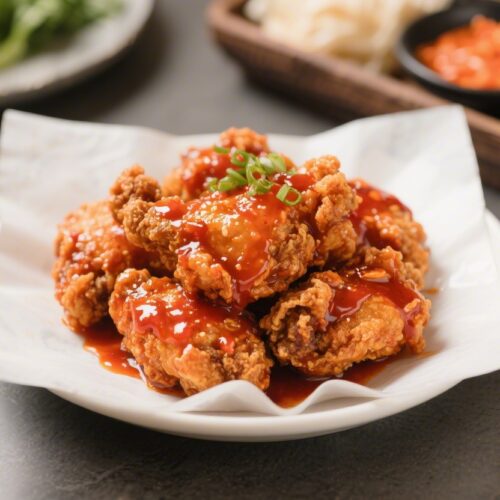
If you’re craving crunchy fried chicken with a glossy, sticky glaze, this Sweet and Spicy Yangnyeom Chicken hits the spot. The chicken stays shatter-crisp under a bold sauce that’s sweet, tangy, and just the right amount of spicy. Think game-day snack, weeknight treat, or party favorite—this one fits them all.
You don’t need special equipment, and most ingredients are pantry-friendly. Once you try it, you’ll want to make it again and again.
What Makes This Special
- Ultra-crispy texture: Double-frying locks in juiciness and keeps the crust crisp, even after saucing.
- Balanced flavor: Gochujang brings heat and depth; honey and sugar add gloss and sweetness; rice vinegar adds a gentle tang.
- Fast sauce, big payoff: A quick simmer delivers a restaurant-level glaze in minutes.
- Flexible heat level: You control the spice by adjusting gochujang and gochugaru.
- Works with different cuts: Wings, drumettes, boneless thighs—use what you like.
Ingredients
- Chicken: 2 pounds chicken wings or boneless skin-on thighs, cut into bite-size pieces
- Marinade:
- 1 teaspoon kosher salt
- 1/2 teaspoon black pepper
- 1 tablespoon grated ginger
- 2 cloves garlic, minced
- 1 tablespoon soy sauce
- 1 tablespoon rice wine or mirin (optional but recommended)
- Coating:
- 3/4 cup potato starch or cornstarch
- 1/4 cup all-purpose flour (optional, for extra structure)
- 1/2 teaspoon baking powder
- For frying:
- Neutral oil (canola, peanut, or vegetable), enough for deep frying
- Yangnyeom sauce:
- 3 tablespoons gochujang (Korean red chili paste)
- 2 tablespoons ketchup
- 2 tablespoons honey (or corn syrup for extra gloss)
- 2 tablespoons brown sugar
- 2 tablespoons soy sauce
- 1 tablespoon rice vinegar (plus more to taste)
- 2 cloves garlic, finely minced
- 1 tablespoon grated ginger
- 1–2 teaspoons gochugaru (Korean red pepper flakes), to taste
- 2 tablespoons water
- 1 teaspoon toasted sesame oil
- To finish:
- Toasted sesame seeds
- Thinly sliced scallions
- Pickled radish (optional, for serving)
Instructions
- Prep the chicken: Pat the chicken dry with paper towels. In a bowl, toss with salt, pepper, ginger, garlic, soy sauce, and rice wine.Marinate 15–30 minutes while you prep the sauce and oil.
- Mix the coating: In a shallow bowl, whisk potato starch, flour, and baking powder. This blend gives a light, crackly crust.
- Coat the chicken: Dredge each piece in the starch mixture, pressing to adhere. Shake off excess.Let the coated chicken rest on a rack for 5–10 minutes to hydrate the starch slightly.
- Heat the oil: In a deep pot or skillet, heat oil to 325–340°F (165–170°C). Aim for at least 2 inches of oil. Keep a thermometer handy for consistent results.
- First fry: Fry chicken in batches, avoiding crowding.Cook wings or small pieces for 5–7 minutes until lightly golden and just cooked through. Transfer to a rack to drain. Let the oil return to temp between batches.
- Make the sauce: In a small saucepan, combine gochujang, ketchup, honey, brown sugar, soy sauce, rice vinegar, garlic, ginger, gochugaru, and water.Simmer over low heat 2–3 minutes until glossy and slightly thick. Stir in sesame oil. Taste and adjust with extra vinegar for brightness or honey for sweetness.
- Second fry: Increase oil to 360–375°F (182–190°C).Fry chicken again for 2–3 minutes until deep golden and ultra-crisp. Drain on a rack.
- Sauce it up: In a large bowl, toss hot chicken with the warm sauce until evenly coated. Use just enough sauce to glaze—don’t drown it.
- Finish and serve: Sprinkle with sesame seeds and scallions.Serve immediately with pickled radish on the side for a refreshing crunch.
Keeping It Fresh
- Make-ahead tip: Double-fry the chicken and cool completely on a rack. Store uncovered in the fridge up to 4 hours. Re-crisp in a 400°F (205°C) oven for 8–10 minutes, then toss with warmed sauce.
- Leftovers: Store sauced chicken in an airtight container for up to 2 days.Reheat in a 375°F (190°C) oven or air fryer for 6–8 minutes. It won’t be as crisp as fresh, but it’s still tasty.
- Separate the sauce: Keep extra sauce in a jar in the fridge for up to a week. Warm before using to restore shine and flow.
Why This is Good for You
- Protein-rich: Chicken delivers satisfying protein that keeps you full and energized.
- Customizable heat: Spices like gochujang and gochugaru add flavor without relying on heavy butter or cream.
- Portion-friendly: Small, bold-flavored pieces encourage mindful portions and easy sharing.
- Balanced plate: Pair with crunchy slaw or pickled radish for fiber and freshness to round out the meal.
What Not to Do
- Don’t skip drying the chicken: Moisture kills crispiness and causes oil to splatter.
- Don’t crowd the pot: Too many pieces lower oil temperature and lead to soggy crust.
- Don’t over-sauce: Too much sauce softens the crust.Glaze lightly, then add more at the table if needed.
- Don’t use low heat for the second fry: The higher temp is what locks in that crispy finish.
- Don’t let the sauce boil hard: A gentle simmer keeps it smooth and glossy, not grainy.
Variations You Can Try
- Garlic soy: Skip gochujang and gochugaru. Use soy sauce, honey, minced garlic, and a touch of black pepper for a milder, savory glaze.
- Extra hot:</-strong> Add more gochugaru and a dash of chili oil. Finish with sliced fresh chilies for serious heat.
- Citrus twist: Add orange zest and a splash of orange juice to the sauce for brightness that cuts through richness.
- Bake or air-fry: For a lighter version, bake coated chicken on a greased rack at 425°F (220°C) for 30–35 minutes, flipping once, or air-fry at 380°F (193°C) for 18–22 minutes.Toss with sauce after.
- Boneless bites: Use boneless thighs, cut into 1.5-inch pieces for easy, shareable bites.
FAQ’s
Can I make this gluten-free?
Yes. Use gluten-free soy sauce (tamari) and stick to potato starch or cornstarch only. Check your gochujang label—some brands contain wheat; look for a certified gluten-free version.
What oil is best for frying?
Use a neutral, high-smoke-point oil like canola, peanut, or vegetable oil.
Avoid olive oil for deep frying; it smokes too quickly and adds unwanted flavor.
How do I keep the crust from falling off?
Dry the chicken well, marinate briefly, and press the starch mixture firmly onto the surface. Let the coated pieces rest before frying, and don’t fuss with them in the oil until the crust sets.
Is gochujang very spicy?
It’s more savory and slightly spicy with a touch of sweetness. Heat levels vary by brand.
Start with the recipe amount and adjust with gochugaru if you want more kick.
Can I sauce the chicken later?
Absolutely. Keep chicken and sauce separate. Reheat and re-crisp the chicken, warm the sauce, then toss just before serving for the best texture.
Related Recipes
- Korean Fried Chicken – Crispy, Sticky, and Packed With Flavor
- Easy Korean Fried Chicken Recipe
- Easy Soy Garlic Korean Fried Chicken (Dakgangjeong Style) – Crispy, Sticky, And Ready Fast
Final Thoughts
Yangnyeom chicken is all about contrast: crunchy coating, tender meat, and a glossy, sweet-spicy glaze.
With a few smart steps—drying, double-frying, and a quick pan sauce—you can make a takeout favorite at home any night. Keep it simple, adjust the heat to your taste, and serve it hot. Once you nail the balance, this recipe will become your go-to for parties, game nights, and comfort cravings.
Enjoy every sticky, crispy bite.
Sweet and Spicy Yangnyeom Korean Fried Chicken Recipe - Crispy, Sticky, and Irresistible
Ingredients
- Chicken: 2 pounds chicken wings or boneless skin-on thighs, cut into bite-size pieces
- Marinade: 1 teaspoon kosher salt
- 1/2 teaspoon black pepper
- 1 tablespoon grated ginger
- 2 cloves garlic, minced
- 1 tablespoon soy sauce
- 1 tablespoon rice wine or mirin (optional but recommended)
- Coating: 3/4 cup potato starch or cornstarch
- 1/4 cup all-purpose flour (optional, for extra structure)
- 1/2 teaspoon baking powder
- For frying: Neutral oil (canola, peanut, or vegetable), enough for deep frying
- Yangnyeom sauce: 3 tablespoons gochujang (Korean red chili paste)
- 2 tablespoons ketchup
- 2 tablespoons honey (or corn syrup for extra gloss)
- 2 tablespoons brown sugar
- 2 tablespoons soy sauce
- 1 tablespoon rice vinegar (plus more to taste)
- 2 cloves garlic, finely minced
- 1 tablespoon grated ginger
- 1–2 teaspoons gochugaru (Korean red pepper flakes), to taste
- 2 tablespoons water
- 1 teaspoon toasted sesame oil
- To finish: Toasted sesame seeds
- Thinly sliced scallions
- Pickled radish (optional, for serving)
Instructions
- Prep the chicken: Pat the chicken dry with paper towels. In a bowl, toss with salt, pepper, ginger, garlic, soy sauce, and rice wine. Marinate 15–30 minutes while you prep the sauce and oil.
- Mix the coating: In a shallow bowl, whisk potato starch, flour, and baking powder. This blend gives a light, crackly crust.
- Coat the chicken: Dredge each piece in the starch mixture, pressing to adhere. Shake off excess. Let the coated chicken rest on a rack for 5–10 minutes to hydrate the starch slightly.
- Heat the oil: In a deep pot or skillet, heat oil to 325–340°F (165–170°C). Aim for at least 2 inches of oil. Keep a thermometer handy for consistent results.
- First fry: Fry chicken in batches, avoiding crowding. Cook wings or small pieces for 5–7 minutes until lightly golden and just cooked through. Transfer to a rack to drain. Let the oil return to temp between batches.
- Make the sauce: In a small saucepan, combine gochujang, ketchup, honey, brown sugar, soy sauce, rice vinegar, garlic, ginger, gochugaru, and water. Simmer over low heat 2–3 minutes until glossy and slightly thick. Stir in sesame oil. Taste and adjust with extra vinegar for brightness or honey for sweetness.
- Second fry: Increase oil to 360–375°F (182–190°C). Fry chicken again for 2–3 minutes until deep golden and ultra-crisp. Drain on a rack.
- Sauce it up: In a large bowl, toss hot chicken with the warm sauce until evenly coated. Use just enough sauce to glaze—don’t drown it.
- Finish and serve: Sprinkle with sesame seeds and scallions. Serve immediately with pickled radish on the side for a refreshing crunch.
Printable Recipe Card
Want just the essential recipe details without scrolling through the article? Get our printable recipe card with just the ingredients and instructions.