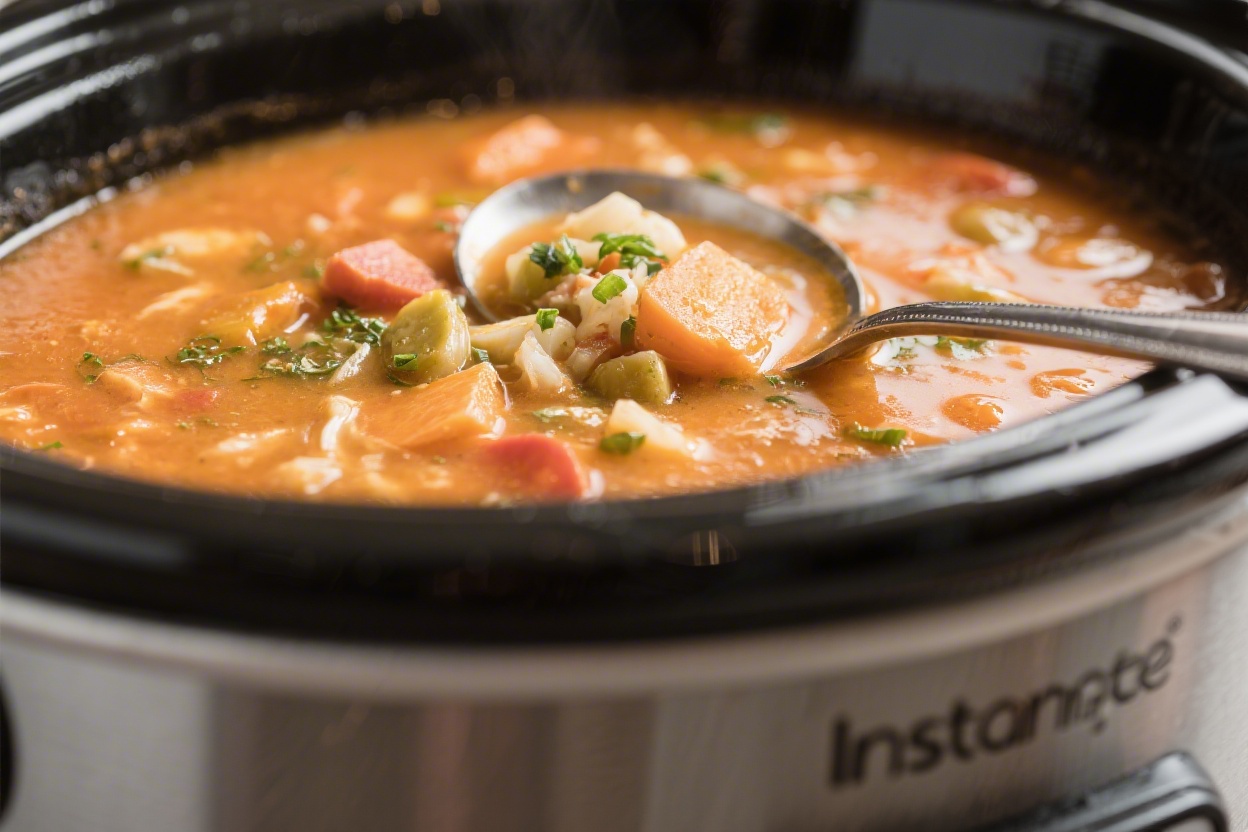
Instant Pot Soups – Cozy Bowls Made Fast
If you love a warm, comforting bowl of soup but don’t love hovering over the stove, the Instant Pot is your best friend. It builds deep flavor in a fraction of the time and turns simple ingredients into something that tastes slow-simmered. This guide gives you a flexible base recipe plus tips for creamy, brothy, meaty, and veggie versions.
Think of it as your weeknight soup playbook—fast, forgiving, and full of flavor. Grab your pot, toss in what you have, and let the pressure do the work.
What Makes This Special
- Speed without shortcuts: Pressure cooking develops rich flavor in 20–30 minutes instead of hours.
- One-pot cooking: Sauté, simmer, and finish in the same pot—less mess, easy cleanup.
- Flexible base: Use the same framework for chicken noodle, minestrone, lentil, creamy potato, or taco soup.
- Great for meal prep: Soup reheats beautifully and often tastes better the next day.
- Budget-friendly: Beans, lentils, and vegetables stretch your dollar without skimping on comfort.
What You’ll Need
- Aromatics: 1 onion (diced), 2–3 garlic cloves (minced), 2 carrots (sliced), 2 celery stalks (sliced)
- Base fat: 1–2 tablespoons olive oil or butter
- Broth: 6–8 cups chicken, beef, or vegetable broth (low-sodium preferred)
- Protein (choose one):
- 1–1.5 pounds boneless skinless chicken thighs or breasts
- 1 pound ground beef, turkey, or Italian sausage
- 1–2 cups dried lentils (rinsed) or 2 cans beans (drained and rinsed)
- Or go meatless with extra vegetables and beans
- Vegetables (mix and match): potatoes, zucchini, bell peppers, tomatoes (canned or fresh), spinach, kale, corn, mushrooms, green beans
- Herbs and spices: 1–2 teaspoons Italian seasoning or chili powder and cumin; bay leaf; salt and black pepper
- Acids and finishers: lemon juice, vinegar, soy sauce, or fish sauce for depth; fresh herbs; grated Parmesan; cream or coconut milk (optional)
- Pasta or grains (optional): 1–2 cups small pasta, rice, or barley

Step-by-Step Instructions
- Prep your ingredients. Dice onion and vegetables, mince garlic, and gather spices. Rinse lentils or beans if using canned.
- Sauté aromatics. Set the Instant Pot to Sauté.Add oil or butter, then onion, carrots, and celery. Cook 3–5 minutes until softened. Stir in garlic for 30 seconds.
- Brown the protein (if using). Add ground meat and cook until no longer pink, breaking it up.For chicken, you can skip browning and add it whole in the next step. Season lightly with salt and pepper.
- Deglaze the pot. Pour in a splash of broth and scrape up browned bits with a wooden spoon. Don’t skip this—it helps prevent the burn warning and adds flavor.
- Add the base. Stir in remaining broth, herbs, spices, bay leaf, and sturdy vegetables (potatoes, carrots, bell peppers, tomatoes, mushrooms). Add lentils or drained beans if using.
- Pressure cook.
- Chicken soups: 10 minutes on High Pressure; quick release after 5 minutes natural release.Shred chicken and return to the pot.
- Ground meat or veggie soups: 8–10 minutes on High Pressure; quick release.
- Lentil soups: 12–15 minutes on High Pressure; natural release 5–10 minutes.
- Bean soups with canned beans: 5–7 minutes on High Pressure; quick release.
- Add quick-cooking ingredients. Switch to Sauté. Stir in tender greens, corn, peas, or zucchini. Simmer 2–4 minutes until just tender.
- Add pasta or grains (optional). For pasta, simmer on Sauté until al dente.For rice or barley, it’s best to cook them separately to avoid over-thickening, then stir in.
- Finish and balance. Taste and adjust. Add salt, pepper, a squeeze of lemon, splash of vinegar, or a dash of soy or fish sauce. For creamy soups, stir in cream or coconut milk at the end.Remove bay leaf.
- Serve. Ladle into bowls. Top with fresh herbs, Parmesan, a swirl of yogurt or sour cream, chili oil, or croutons.
How to Store
- Cool first: Let soup cool to warm room temp within 2 hours. Divide into shallow containers for faster cooling.
- Refrigerate: Store up to 4 days in airtight containers.
- Freeze: Most brothy and bean soups freeze well for 2–3 months.Avoid freezing dairy-heavy soups; add cream after reheating.
- Reheat: Warm gently on the stove or in the microwave, adding a splash of water or broth if thickened. Taste and re-season.
Why This is Good for You
- High in fiber: Beans, lentils, and vegetables support digestion and keep you full.
- Lean protein options: Chicken, turkey, or plant proteins help build and repair without weighing you down.
- Hydrating and satisfying: Broth-based soups deliver fluids while still feeling like a complete meal.
- Balanced nutrition: You can pack in complex carbs, protein, and healthy fats in one bowl.
What Not to Do
- Don’t forget to deglaze. Skipping this step can trigger the burn warning and dull the flavor.
- Don’t add cream before pressure cooking. Dairy can curdle under pressure. Stir it in at the end.
- Don’t overfill. Keep below the Max line, and below halfway full if using lots of beans or grains that expand.
- Don’t add all veggies at once. Greens and delicate vegetables go in after pressure cooking to avoid mushiness.
- Don’t rely only on salt. Use acid (lemon or vinegar) and umami boosters (soy or Parmesan) to brighten flavors.
Recipe Variations
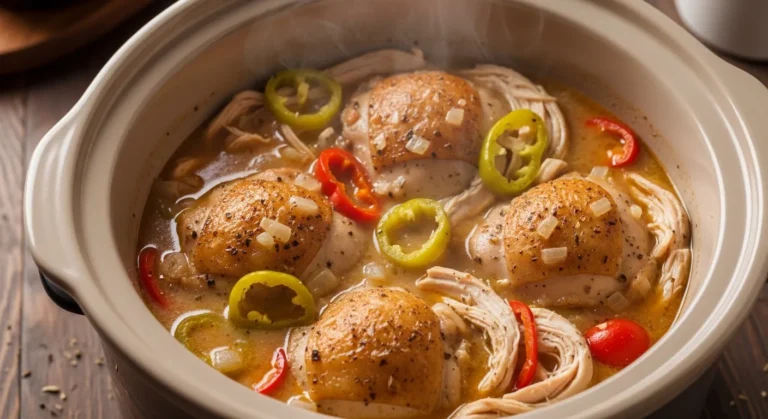
- Classic Chicken Noodle: Pressure cook chicken with aromatics and broth for 10 minutes.Shred, then simmer egg noodles on Sauté until tender. Finish with parsley and lemon.
- Hearty Lentil and Veggie: Sauté aromatics with cumin, smoked paprika, and thyme. Add lentils, tomatoes, and broth.Pressure cook 12–15 minutes. Finish with spinach and a splash of red wine vinegar.
- Creamy Potato Leek: Sauté leeks and celery in butter. Add potatoes, garlic, thyme, and broth.Pressure cook 8 minutes, quick release, blend until smooth, then stir in cream. Top with chives.
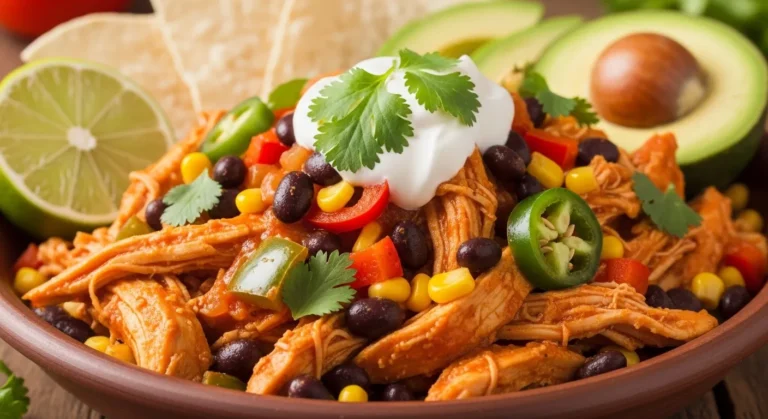
- Taco Soup: Brown ground turkey with chili powder, cumin, and oregano. Add tomatoes, black beans, corn, and broth.Pressure cook 8 minutes. Finish with lime and cilantro; serve with avocado and tortilla strips.
- Minestrone: Add diced tomatoes, beans, carrots, celery, zucchini, green beans, and Italian seasoning. Pressure cook 6–8 minutes.Stir in small pasta and kale on Sauté; finish with Parmesan.
- Thai-Inspired Coconut: Sauté ginger and garlic. Add chicken, broth, red curry paste, and vegetables. Pressure cook 8–10 minutes.Stir in coconut milk and lime juice; finish with cilantro.
FAQ’s
Can I use frozen chicken?
Yes. Add frozen boneless chicken directly to the pot and increase pressure cook time to about 12–14 minutes. Ensure pieces are separated so they cook evenly.
Why did I get the burn warning?
Usually it’s stuck-on bits from sautéing or thick ingredients at the bottom.
Deglaze well after sautéing, avoid thick tomato pastes on the bottom, and make sure there’s enough thin liquid.
How much liquid do I need?
For most soups, use at least 1.5–2 cups of thin liquid per 1 cup of dried lentils, pasta, or rice added. In general, 6–8 cups of broth makes a hearty pot that won’t scorch.
Can I double the recipe?
Often yes, as long as you don’t exceed the Max line and you account for expansion with beans or grains. The cook time under pressure stays the same, but the pot will take longer to come to pressure.
What if my soup is too thin?
Simmer on Sauté to reduce, or stir in a slurry of 1 tablespoon cornstarch mixed with 1 tablespoon cold water.
You can also blend a cup of the soup and stir it back in.
What if my soup is too thick?
Add more broth or water, a half cup at a time, and re-season with salt and acid to keep the flavor balanced.
Can I make it low-sodium?
Use low-sodium broth and drain and rinse canned beans. Season with herbs, spices, garlic, and a squeeze of lemon to boost flavor without extra salt.
Do noodles get mushy?
They can if pressure cooked. It’s best to cook pasta on Sauté after pressure cooking and serve right away, or cook it separately and add to bowls before ladling in soup.
How long does it keep?
Most soups keep 3–4 days in the fridge.
Freeze brothy soups up to 3 months. Add dairy or delicate greens after reheating for the best texture.
Can I meal prep with different add-ins?
Absolutely. Make a neutral base soup and customize each serving with toppings like pesto, hot sauce, shredded rotisserie chicken, cooked grains, or a spoon of yogurt.
Related Recipes
- High Protein Meals for Muscle Gain – Simple, Satisfying, and Effective
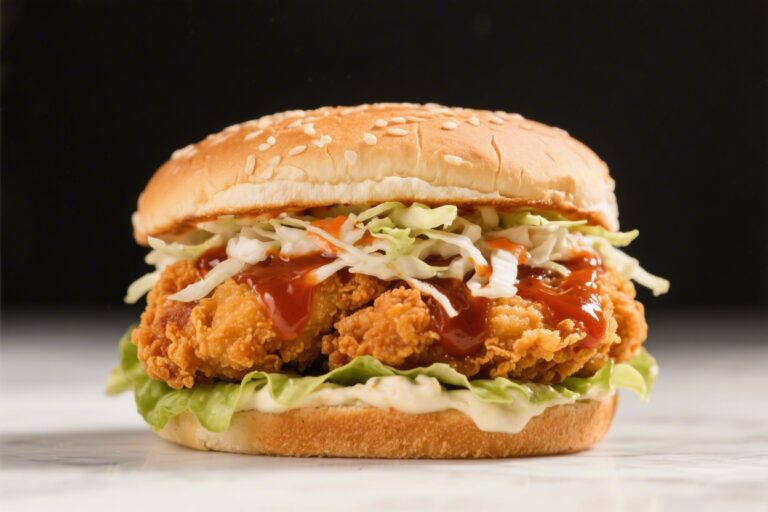
- Korean Fried Chicken Sandwich With Slaw and Sauce
- Bourbon Chicken Recipe – Sweet, Sticky, and Savory Comfort Food
Final Thoughts
Instant Pot soups hit that sweet spot of easy, fast, and deeply satisfying.
With a solid base method and a few smart add-ins, you can turn pantry staples into a week’s worth of cozy meals. Keep your seasoning layered, finish with something fresh or tangy, and let the pot do the heavy lifting. Once you try it, you’ll wonder why you didn’t start sooner.
Instant Pot Soups - Cozy Bowls Made Fast
Ingredients
- Aromatics: 1 onion (diced), 2–3 garlic cloves (minced), 2 carrots (sliced), 2 celery stalks (sliced)
- Base fat: 1–2 tablespoons olive oil or butter
- Broth: 6–8 cups chicken, beef, or vegetable broth (low-sodium preferred)
- Protein (choose one): 1–1.5 pounds boneless skinless chicken thighs or breasts
- 1 pound ground beef, turkey, or Italian sausage
- 1–2 cups dried lentils (rinsed) or 2 cans beans (drained and rinsed)
- Or go meatless with extra vegetables and beans
- Vegetables (mix and match): potatoes, zucchini, bell peppers, tomatoes (canned or fresh), spinach, kale, corn, mushrooms, green beans
- Herbs and spices: 1–2 teaspoons Italian seasoning or chili powder and cumin; bay leaf; salt and black pepper
- Acids and finishers: lemon juice, vinegar, soy sauce, or fish sauce for depth; fresh herbs; grated Parmesan; cream or coconut milk (optional)
- Pasta or grains (optional): 1–2 cups small pasta, rice, or barley
Instructions
- Prep your ingredients. Dice onion and vegetables, mince garlic, and gather spices. Rinse lentils or beans if using canned.
- Sauté aromatics. Set the Instant Pot to Sauté. Add oil or butter, then onion, carrots, and celery. Cook 3–5 minutes until softened. Stir in garlic for 30 seconds.
- Brown the protein (if using). Add ground meat and cook until no longer pink, breaking it up. For chicken, you can skip browning and add it whole in the next step. Season lightly with salt and pepper.
- Deglaze the pot. Pour in a splash of broth and scrape up browned bits with a wooden spoon. Don’t skip this—it helps prevent the burn warning and adds flavor.
- Add the base. Stir in remaining broth, herbs, spices, bay leaf, and sturdy vegetables (potatoes, carrots, bell peppers, tomatoes, mushrooms). Add lentils or drained beans if using.
- Pressure cook. Chicken soups: 10 minutes on High Pressure; quick release after 5 minutes natural release. Shred chicken and return to the pot.
- Ground meat or veggie soups: 8–10 minutes on High Pressure; quick release.
- Lentil soups: 12–15 minutes on High Pressure; natural release 5–10 minutes.
- Bean soups with canned beans: 5–7 minutes on High Pressure; quick release.
- Add quick-cooking ingredients. Switch to Sauté. Stir in tender greens, corn, peas, or zucchini. Simmer 2–4 minutes until just tender.
- Add pasta or grains (optional). For pasta, simmer on Sauté until al dente. For rice or barley, it’s best to cook them separately to avoid over-thickening, then stir in.
- Finish and balance. Taste and adjust. Add salt, pepper, a squeeze of lemon, splash of vinegar, or a dash of soy or fish sauce. For creamy soups, stir in cream or coconut milk at the end. Remove bay leaf.
- Serve. Ladle into bowls. Top with fresh herbs, Parmesan, a swirl of yogurt or sour cream, chili oil, or croutons.
Printable Recipe Card
Want just the essential recipe details without scrolling through the article? Get our printable recipe card with just the ingredients and instructions.