High Protein Meals for Muscle Gain Recipe
Building muscle starts in the kitchen just as much as it does in the gym. If you’re aiming to gain lean mass, high protein meals are your best friend. The good news: they can be simple, budget-friendly, and genuinely tasty.
This guide gives you a complete, no-fuss blueprint for a balanced, high protein plate that supports strength, recovery, and energy—without complicated steps or fancy ingredients.
Why This Recipe Works
This recipe is built around three pillars: lean protein, smart carbs, and healthy fats. You get a strong protein hit for muscle repair, carbs to refill energy stores, and fats to support hormones and keep you full. It’s flexible, so you can swap in whatever protein or produce you have on hand.
Best of all, it cooks fast and reheats well, making it perfect for busy weeks and consistent progress.
Ingredients
- Protein (choose one, 6–8 oz per serving): Chicken breast, lean ground turkey, extra-firm tofu, tempeh, salmon, tuna, or 95% lean beef
- Complex carbs (1–1.5 cups cooked): Quinoa, brown rice, whole wheat pasta, farro, sweet potato, or whole grain tortillas
- Vegetables (2 cups total): Broccoli, bell peppers, spinach, cherry tomatoes, zucchini, red onion, or mixed greens
- Healthy fats: 1–2 tbsp olive oil or avocado oil; optional 1/4 avocado or a small handful of nuts/seeds
- Flavor boosters: Garlic (2–3 cloves), lemon juice, low-sodium soy sauce or tamari, smoked paprika, cumin, chili flakes, black pepper
- Optional toppers: Greek yogurt, grated Parmesan, crumbled feta, salsa, hot sauce, fresh herbs (parsley, cilantro, basil)
- Salt: To taste (go light if using soy sauce or cheese)
Instructions
- Cook the carb base: Prepare quinoa, rice, or sweet potato according to package directions. Aim for 30–40 grams of carbs per serving to support training and recovery.
- Prep the vegetables: Chop your chosen veggies into bite-size pieces. Keep it colorful for a wider range of nutrients.
- Season the protein: Pat your protein dry.Rub with 1 tbsp oil, garlic, paprika, salt, and pepper. For tofu or tempeh, add a splash of soy sauce or tamari.
- Cook the protein: Heat a skillet over medium-high. Cook chicken/turkey/beef 4–6 minutes per side until fully done.For salmon, 3–4 minutes per side. For tofu/tempeh, sear until golden on each side.
- Sauté the veggies: In the same pan, add a little more oil if needed. Toss in veggies and cook 4–6 minutes until crisp-tender.Add garlic in the last minute to avoid burning.
- Add flavor: Finish with lemon juice and a splash of soy sauce or your favorite seasoning blend. Adjust salt and pepper.
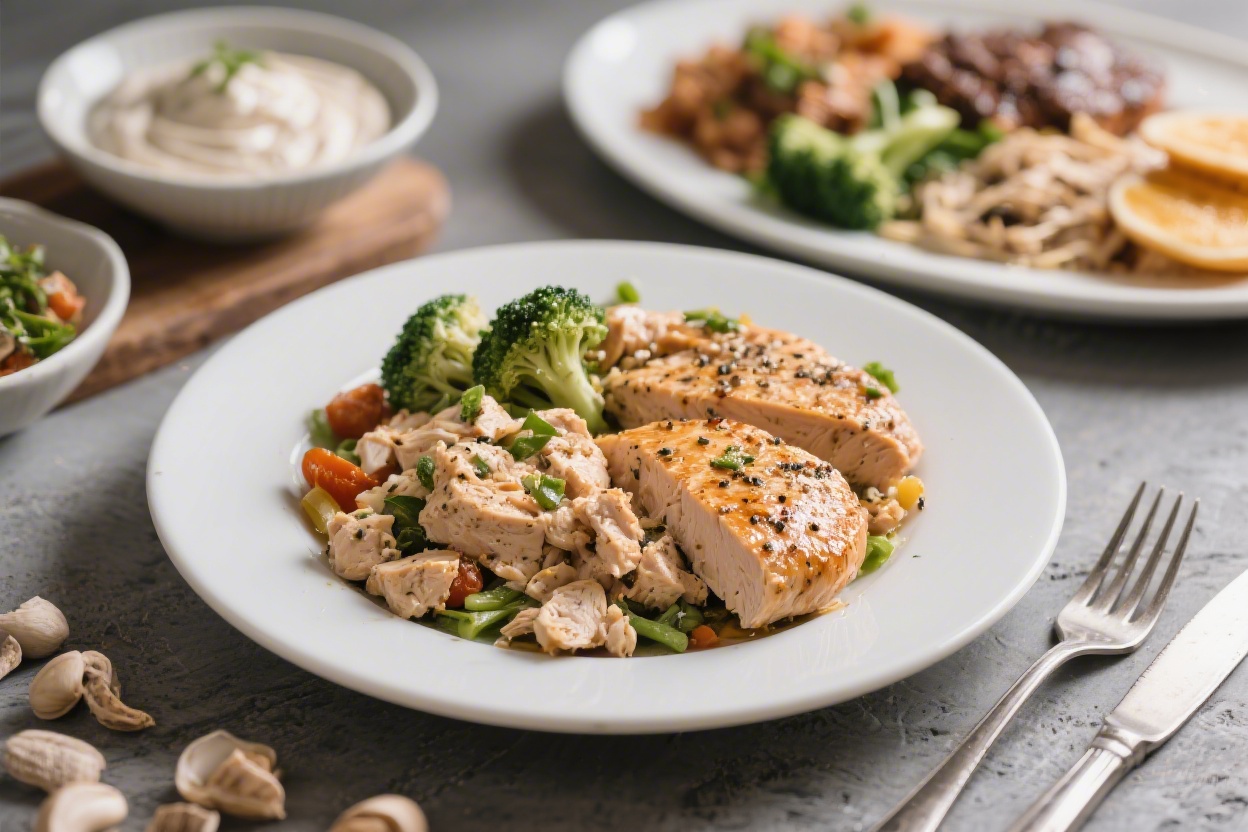
- Assemble the plate: Add your carb base, top with protein, pile on veggies, and drizzle any pan juices over the top. Add optional Greek yogurt, cheese, herbs, or hot sauce.
- Portion check: For muscle gain, target roughly 30–45 g protein, 30–60 g carbs, and 10–20 g fat per meal, depending on your size and training.
Keeping It Fresh
- Batch cook: Make protein and carbs in bulk on Sunday.Store in airtight containers for 3–4 days.
- Separate sauces: Keep sauces or yogurt-based toppings in small containers to prevent sogginess.
- Smart reheating: Reheat gently on the stove or microwave at 70% power to keep protein tender.
- Freezer-friendly: Cooked chicken, turkey, rice, and veggies freeze well. Label portions and thaw overnight.
- Fresh add-ons: Add herbs, lemon, avocado, or a handful of greens right before eating for brightness.
Health Benefits
- Muscle repair and growth: Lean proteins provide essential amino acids, especially leucine, to stimulate muscle protein synthesis.
- Steady energy: Complex carbs support glycogen stores for better workouts and recovery.
- Hormone and joint support: Healthy fats help regulate hormones and reduce inflammation.
- Micronutrient power: Colorful veggies deliver vitamins, minerals, and antioxidants that support immunity and overall health.
- Satiety and weight management: High protein keeps you fuller longer, making it easier to eat enough for growth without constant snacking.
What Not to Do
- Don’t under-eat: If you’re not gaining, you likely need more total calories, not just more protein.
- Avoid skipping carbs pre/post-workout: Carbs help you train harder and recover faster.
- Don’t drown it in heavy sauces: Extra calories are fine, but sugary sauces can add up fast.
- Don’t overcook protein: Dry meat or rubbery tofu makes meal prep a chore to eat. Keep it juicy.
- Don’t rely only on shakes: Whole foods deliver more fiber, micronutrients, and satisfaction.
Recipe Variations
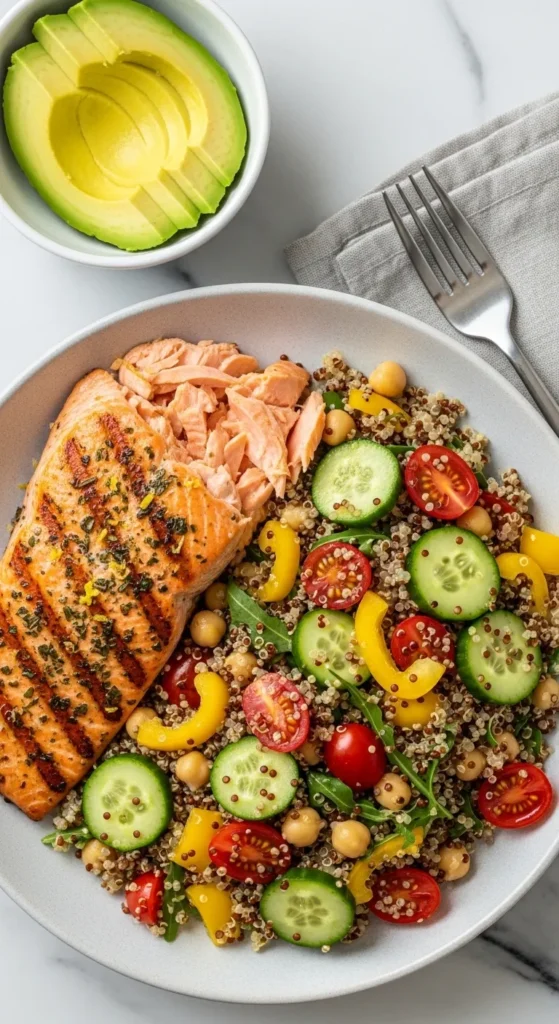
- Chicken Power Bowl: Grilled chicken, quinoa, roasted broccoli, cherry tomatoes, olive oil, lemon, and feta.
- Turkey Taco Plate: Lean ground turkey with taco seasoning, brown rice, black beans, salsa, avocado, and shredded lettuce.
- Salmon and Sweet Potato: Pan-seared salmon, roasted sweet potato cubes, sautéed spinach, and a Greek yogurt-dill sauce.
- Tofu Stir-Fry: Crisp tofu, mixed bell peppers, snap peas, sesame oil, garlic, ginger, and tamari over jasmine or brown rice.
- Beef and Farro Bowl: Lean beef strips, farro, roasted zucchini, red onion, parsley, and a squeeze of lemon.
- High-Protein Pasta: Whole wheat pasta with chicken or chickpeas, spinach, tomatoes, olive oil, and Parmesan.
FAQ’s
How much protein do I need per meal to build muscle?
Most people do well with 25–45 grams of protein per meal, depending on body size and training demands.
Spreading protein evenly across 3–5 meals supports muscle growth better than loading it all at once.
Can I build muscle on a plant-based diet?
Yes. Use tofu, tempeh, seitan, edamame, lentils, beans, and plant-based protein pasta. Combine different plant proteins through the day to cover essential amino acids, and consider a soy or pea protein shake if needed.
What’s the best time to eat a high protein meal?
Aim for a solid protein meal within 2 hours before or after training.
Consistency across the whole day matters more than a narrow “anabolic window.”
Do I need supplements?
Supplements are optional. Whey or pea protein can help you hit targets on busy days. Creatine monohydrate is well-researched for strength and muscle gain.
Always prioritize whole foods first.
How can I keep calories high without feeling stuffed?
Add calorie-dense, nutritious foods: olive oil, avocado, nuts, seeds, hummus, and dried fruit. Liquid calories like smoothies with milk or yogurt can also help.
What if I’m short on time?
Use rotisserie chicken, canned tuna or salmon, pre-cooked rice, and bagged salad or frozen veggies. Five minutes of assembly can still deliver a solid, high protein meal.
How do I prevent dry chicken or tough tofu?
Don’t overcook.
For chicken, aim for an internal temp of 165°F and rest a few minutes before slicing. For tofu, press out moisture before cooking and use high heat for a crisp exterior.
Related Recipes
- Instant Pot Soups – Cozy Bowls Made Fast
- Korean Fried Chicken Sandwich With Slaw and Sauce
- Bourbon Chicken Recipe – Sweet, Sticky, and Savory Comfort Food
In Conclusion
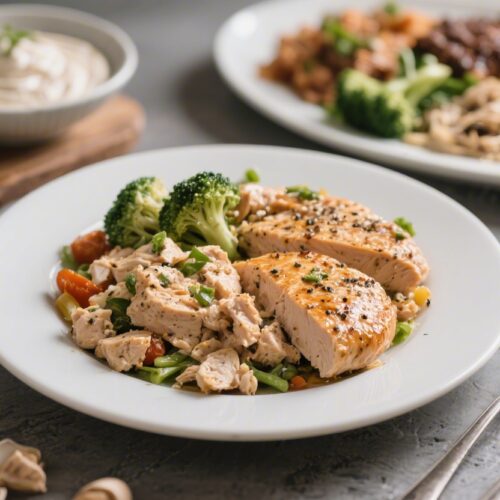
High-protein meals for muscle gain don’t need to be complicated or bland. Build your plate with a lean protein, a smart carb, colorful veggies, and a touch of healthy fat.
Keep flavors simple, batch cook when you can, and adjust portions to match your goals and training. With a plan like this, you’ll fuel better workouts, faster recovery, and steady progress.
High Protein Meals for Muscle Gain - Simple, Satisfying, and Effective
Ingredients
- Protein (choose one, 6–8 oz per serving): Chicken breast, lean ground turkey, extra-firm tofu, tempeh, salmon, tuna, or 95% lean beef
- Complex carbs (1–1.5 cups cooked): Quinoa, brown rice, whole wheat pasta, farro, sweet potato, or whole grain tortillas
- Vegetables (2 cups total): Broccoli, bell peppers, spinach, cherry tomatoes, zucchini, red onion, or mixed greens
- Healthy fats: 1–2 tbsp olive oil or avocado oil; optional 1/4 avocado or a small handful of nuts/seeds
- Flavor boosters: Garlic (2–3 cloves), lemon juice, low-sodium soy sauce or tamari, smoked paprika, cumin, chili flakes, black pepper
- Optional toppers: Greek yogurt, grated Parmesan, crumbled feta, salsa, hot sauce, fresh herbs (parsley, cilantro, basil)
- Salt: To taste (go light if using soy sauce or cheese)
Instructions
- Cook the carb base: Prepare quinoa, rice, or sweet potato according to package directions. Aim for 30–40 grams of carbs per serving to support training and recovery.
- Prep the vegetables: Chop your chosen veggies into bite-size pieces. Keep it colorful for a wider range of nutrients.
- Season the protein: Pat your protein dry. Rub with 1 tbsp oil, garlic, paprika, salt, and pepper. For tofu or tempeh, add a splash of soy sauce or tamari.
- Cook the protein: Heat a skillet over medium-high. Cook chicken/turkey/beef 4–6 minutes per side until fully done. For salmon, 3–4 minutes per side. For tofu/tempeh, sear until golden on each side.
- Sauté the veggies: In the same pan, add a little more oil if needed. Toss in veggies and cook 4–6 minutes until crisp-tender. Add garlic in the last minute to avoid burning.
- Add flavor: Finish with lemon juice and a splash of soy sauce or your favorite seasoning blend. Adjust salt and pepper.
- Assemble the plate: Add your carb base, top with protein, pile on veggies, and drizzle any pan juices over the top. Add optional Greek yogurt, cheese, herbs, or hot sauce.
- Portion check: For muscle gain, target roughly 30–45 g protein, 30–60 g carbs, and 10–20 g fat per meal, depending on your size and training.
Printable Recipe Card
Want just the essential recipe details without scrolling through the article? Get our printable recipe card with just the ingredients and instructions.