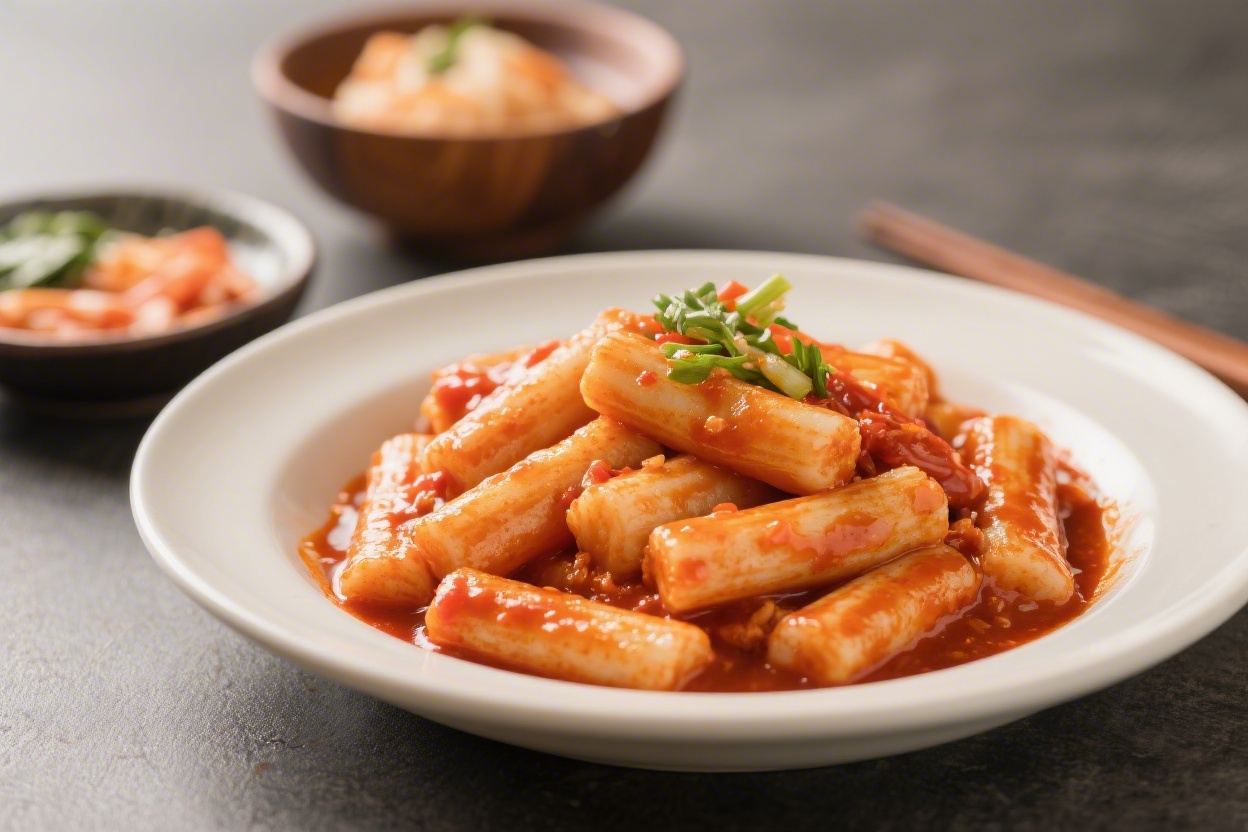
Easy Korean Tteokbokki (Spicy Rice Cakes) Recipe
If you’re craving something spicy, chewy, and cozy, tteokbokki is exactly what you need. This classic Korean street food is all about tender rice cakes simmered in a sweet and spicy sauce. It comes together quickly, uses affordable ingredients, and tastes like pure comfort.
Whether you’re new to Korean cooking or just want a quick weeknight dish, this recipe keeps it simple without losing that authentic flavor. Make it once, and it’ll be on repeat.
What Makes This Recipe So Good
- Quick and easy: From prep to plate in about 25 minutes.
- Authentic flavor: Uses gochujang (Korean red chili paste) for that signature heat and depth.
- Customizable heat: Adjust the spice level with gochugaru (Korean chili flakes) or extra sugar.
- Comforting texture: Chewy rice cakes in a thick, glossy sauce you’ll want to scoop with a spoon.
- Budget-friendly: Simple pantry staples and flexible add-ins like fish cakes or boiled eggs.
Ingredients
- 1 pound (450 g) Korean rice cakes (tteok), cylinder-shaped, fresh or refrigerated
- 4 cups (950 ml) water or low-sodium anchovy/dashi stock
- 1 sheet Korean fish cake (eomuk), sliced into strips (optional but traditional)
- 1 small yellow onion, thinly sliced
- 2 green onions, sliced (white and green parts separated)
- 1–2 boiled eggs, peeled (optional)
- 1/2 cup cabbage, roughly chopped (optional)
- 1 tablespoon neutral oil (optional, for a silkier sauce)
Sauce
- 2 tablespoons gochujang (Korean red chili paste)
- 1–2 teaspoons gochugaru (Korean chili flakes), to taste
- 1 tablespoon soy sauce
- 1–2 tablespoons sugar (start with 1; add more if you like it sweeter)
- 1 teaspoon minced garlic
- 1/2 teaspoon sesame oil
To Serve
- Sesame seeds
- Extra sliced green onions
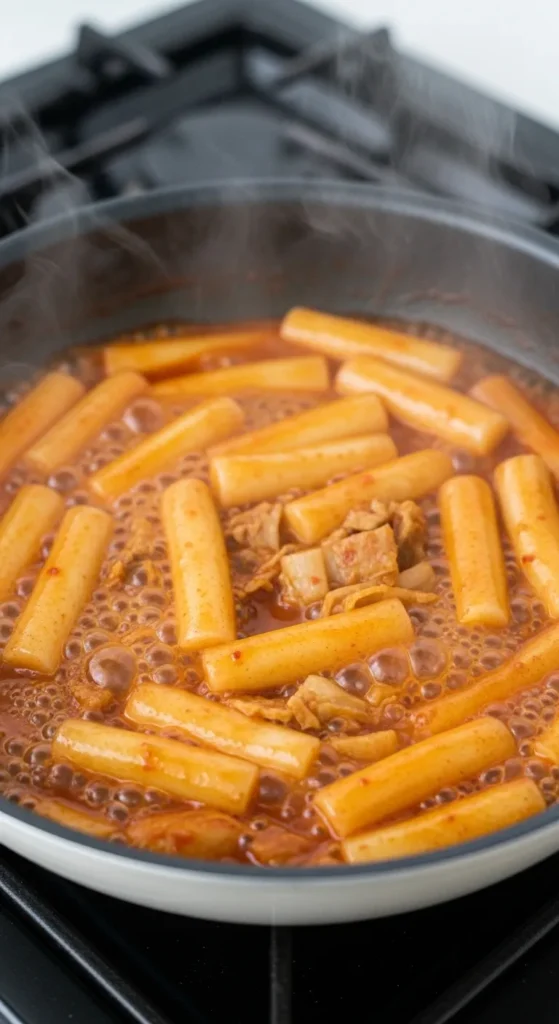
Step-by-Step Instructions
- Soak the rice cakes. If your tteok is firm or refrigerated, soak in warm water for 10–15 minutes to soften. Drain before using.Fresh tteok usually doesn’t need soaking.
- Make the sauce base. In a small bowl, mix gochujang, gochugaru, soy sauce, sugar, garlic, and sesame oil until smooth. Adjust the gochugaru based on your spice preference.
- Start the broth. In a wide pan or shallow pot, bring water or stock to a gentle boil over medium heat. Add the onion and the white parts of the green onions.Let it simmer for 2–3 minutes to soften.
- Add the sauce. Stir the sauce mixture into the simmering liquid until fully dissolved. Taste and adjust sweetness or saltiness as needed.
- Cook the rice cakes. Add the drained rice cakes. Keep the heat at a steady simmer and stir often to prevent sticking.Cook for 7–10 minutes, until the tteok is soft and chewy.
- Add mix-ins. Stir in fish cake, cabbage, and boiled eggs if using. Simmer 2–3 more minutes so the flavors meld. If the sauce gets too thick, add a splash of water or stock.
- Finish and thicken. When the sauce looks glossy and coats the rice cakes, turn off the heat.Stir in a teaspoon of neutral oil if you want extra shine and a silky finish.
- Garnish and serve. Top with sesame seeds and the green parts of the green onions. Serve hot, straight from the pan.
How to Store
- Refrigerate: Cool completely, then store in an airtight container for up to 3 days.
- Reheat: Warm in a pan over low heat with a splash of water or stock to loosen the sauce. Stir gently until heated through.
- Freezing: Not ideal.Rice cakes can turn grainy or tough after freezing, so enjoy them fresh if possible.
Why This is Good for You
- Steady energy: Rice cakes are a simple carb source that’s satisfying and filling.
- Capsaicin kick: Gochujang and gochugaru bring heat that can support circulation and wake up your metabolism.
- Customizable nutrition: Add cabbage, carrots, mushrooms, or spinach for extra fiber and vitamins. Boiled eggs add protein to keep you fuller longer.
- Lower sodium options: Using homemade stock and low-sodium soy sauce helps you control the salt.
Common Mistakes to Avoid
- Skipping the soak: Cold or older tteok can be tough. A quick soak helps them cook evenly and stay tender.
- High heat the whole time: A hard boil can break the sauce and make the rice cakes stick.Keep it at a steady simmer and stir often.
- Not tasting the sauce: Brands of gochujang vary in sweetness and saltiness. Taste and tweak with sugar or soy sauce as needed.
- Overcooking: Rice cakes can turn mushy if cooked too long. Stop when they’re soft but still pleasantly chewy.
- Too little liquid: The sauce thickens as it simmers.Keep a bit of extra water or stock nearby to adjust the consistency.
Variations You Can Try
- Cheese tteokbokki: Add shredded mozzarella on top and let it melt. Gooey, stretchy, and very popular.
- Rose tteokbokki: Stir in a splash of cream or milk at the end for a milder, creamy sauce.
- Seafood version: Add shrimp, squid rings, or mussels for extra protein and a briny kick.
- Vegetable boost: Toss in bok choy, zucchini, mushrooms, or bean sprouts in the last few minutes of cooking.
- Ramen upgrade: Add a block of instant ramen noodles in the final 2–3 minutes for extra heartiness.
- Vegan-friendly: Skip fish cakes and eggs, use veggie stock, and double up on mushrooms and cabbage.
FAQ’s
What kind of rice cakes should I buy?
Look for cylinder-shaped Korean rice cakes (tteok) in the refrigerated or frozen section at Asian markets. Fresh or refrigerated ones cook best.
If frozen, thaw and soak before cooking.
Is there a substitute for gochujang?
Gochujang is key to the signature flavor, but in a pinch you can mix chili paste with a little miso and sugar. The taste won’t be exactly the same, but it’ll get you close.
How spicy is this recipe?
Moderately spicy. Reduce or skip the gochugaru for a milder version, and add more sugar to balance heat.
You can also finish with a splash of milk for extra mellow flavor.
Can I make it gluten-free?
Yes. Use gluten-free soy sauce (or tamari) and check the gochujang label for wheat. Many brands contain wheat, but gluten-free versions exist.
Rice cakes themselves are typically gluten-free.
Why is my sauce runny?
It likely needs more simmer time. Keep it at a gentle simmer and stir often. If it’s still thin after the rice cakes are tender, let it cook 1–2 more minutes or add a small spoon of gochujang to thicken.
Why are my rice cakes hard after cooking?
They may have been too old or not soaked long enough.
Next time, soak longer in warm water and simmer gently rather than boiling hard. Add a splash more liquid if the sauce gets too thick.
Can I meal prep tteokbokki?
You can prep the sauce and chopped veggies ahead of time. Cook the rice cakes fresh for the best texture, then combine with the prepped sauce and ingredients for a quick meal.
Related Recipes
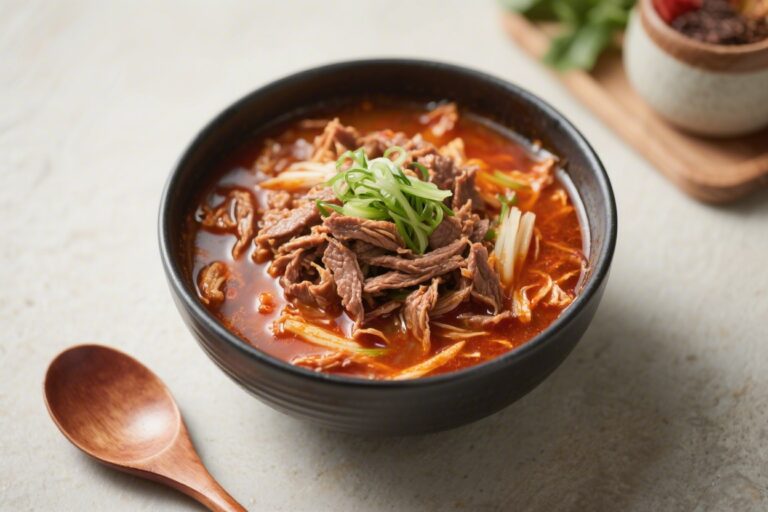
- Quick and Easy Korean Ramen (Ramyeon) Upgrade Ideas – Fast, Flavorful, and Satisfying
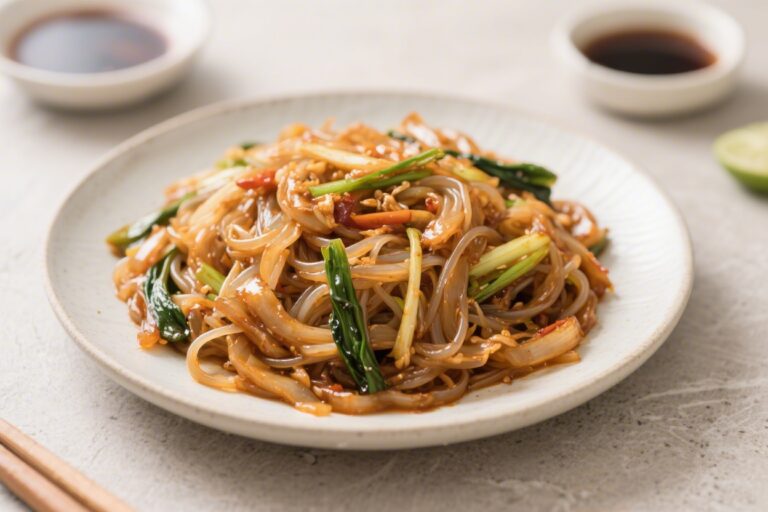
- Homemade Korean Japchae (Glass Noodle Stir-Fry) Made Easy
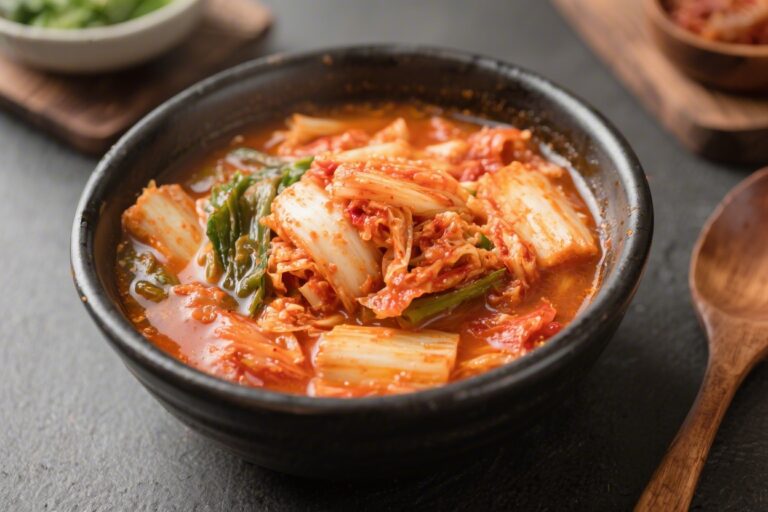
- Easy Kimchi Jjigae Recipe (Spicy Korean Kimchi Soup) – Comforting, Flavorful, and Fast
Wrapping Up
Tteokbokki delivers big flavor with minimal fuss.
With a few pantry staples and a single pan, you get a spicy, slightly sweet dish that’s endlessly customizable. Keep this recipe as your base, then play with add-ins to match your mood. When you want something warm, bold, and satisfying, this easy tteokbokki hits the spot every time.
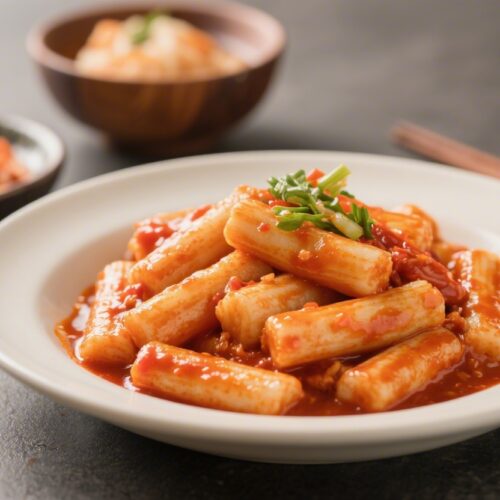
Easy Korean Tteokbokki (Spicy Rice Cakes) Recipe - Simple, Comforting, and Full of Flavor
Ingredients
- 1 pound (450 g) Korean rice cakes (tteok), cylinder-shaped, fresh or refrigerated
- 4 cups (950 ml) water or low-sodium anchovy/dashi stock
- 1 sheet Korean fish cake (eomuk), sliced into strips (optional but traditional)
- 1 small yellow onion, thinly sliced
- 2 green onions, sliced (white and green parts separated)
- 1–2 boiled eggs, peeled (optional)
- 1/2 cup cabbage, roughly chopped (optional)
- 1 tablespoon neutral oil (optional, for a silkier sauce)
- 2 tablespoons gochujang (Korean red chili paste)
- 1–2 teaspoons gochugaru (Korean chili flakes), to taste
- 1 tablespoon soy sauce
- 1–2 tablespoons sugar (start with 1; add more if you like it sweeter)
- 1 teaspoon minced garlic
- 1/2 teaspoon sesame oil
- Sesame seeds
- Extra sliced green onions
Instructions
- Soak the rice cakes. If your tteok is firm or refrigerated, soak in warm water for 10–15 minutes to soften. Drain before using. Fresh tteok usually doesn’t need soaking.
- Make the sauce base. In a small bowl, mix gochujang, gochugaru, soy sauce, sugar, garlic, and sesame oil until smooth. Adjust the gochugaru based on your spice preference.
- Start the broth. In a wide pan or shallow pot, bring water or stock to a gentle boil over medium heat. Add the onion and the white parts of the green onions. Let it simmer for 2–3 minutes to soften.
- Add the sauce. Stir the sauce mixture into the simmering liquid until fully dissolved. Taste and adjust sweetness or saltiness as needed.
- Cook the rice cakes. Add the drained rice cakes. Keep the heat at a steady simmer and stir often to prevent sticking. Cook for 7–10 minutes, until the tteok is soft and chewy.
- Add mix-ins. Stir in fish cake, cabbage, and boiled eggs if using. Simmer 2–3 more minutes so the flavors meld. If the sauce gets too thick, add a splash of water or stock.
- Finish and thicken. When the sauce looks glossy and coats the rice cakes, turn off the heat. Stir in a teaspoon of neutral oil if you want extra shine and a silky finish.
- Garnish and serve. Top with sesame seeds and the green parts of the green onions. Serve hot, straight from the pan.
Printable Recipe Card
Want just the essential recipe details without scrolling through the article? Get our printable recipe card with just the ingredients and instructions.