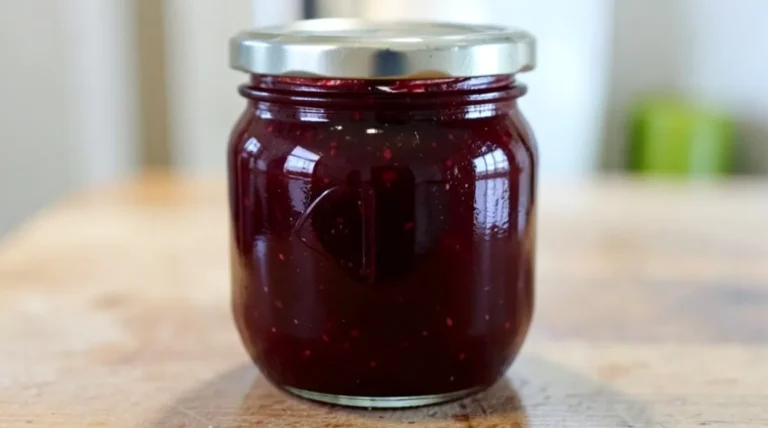
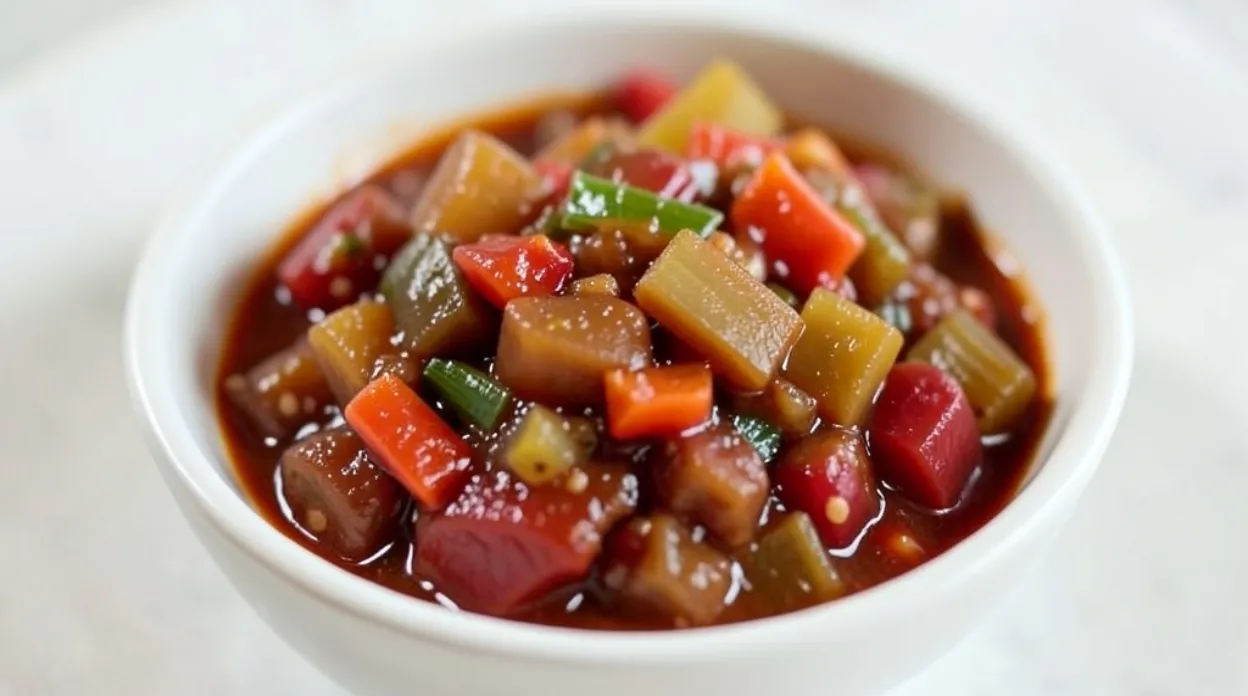
Rhubarb Chutney Recipe
Rhubarb chutney sits in that magical category of foods that make people stop mid-bite and ask, “Wait, what is this?” It’s sweet, tangy, savory, and just a little bit unexpected. One spoonful can transform a simple meal into something that feels far more interesting than it has any right to. If you’ve only used rhubarb for pies and desserts, prepare for a pleasant surprise. Rhubarb chutney takes those tart stalks and sends them in a completely different direction. The result? A condiment that works with everything from cheese boards to grilled meats and sandwiches.
Why Rhubarb Makes Such a Great Chutney
Most people associate rhubarb with sugar-heavy desserts. That makes sense because raw rhubarb packs a serious tart punch. Bite into a fresh stalk, and your face might perform gymnastics without your permission. That natural tartness actually makes rhubarb perfect for chutney. The sharp flavor balances sweet ingredients beautifully while adding depth and character. A good rhubarb chutney usually combines several flavor elements:
- Sweetness from sugar, honey, or dried fruit
- Acidity from vinegar
- Warm spices like ginger, cinnamon, or cloves
- Savory notes from onions or garlic
- The distinctive tang of rhubarb
The result feels complex without requiring culinary wizardry.
The Flavor Profile: Sweet, Tangy, and Surprisingly Versatile
Trying to describe rhubarb chutney can feel a little tricky. It doesn’t fit neatly into one category. Imagine the brightness of a fruit preserve, the richness of a savory sauce, and the zing of a pickle all hanging out at the same party. Somehow, they get along remarkably well. Depending on the recipe, you might notice flavors like:
- Tart apple-like notes
- Caramel sweetness
- Warm spice undertones
- A gentle vinegar kick
- Fresh herbal accents
IMO, the best versions strike a balance where no single flavor dominates. You want each ingredient to contribute without trying to become the main character.
How Texture Changes During Cooking
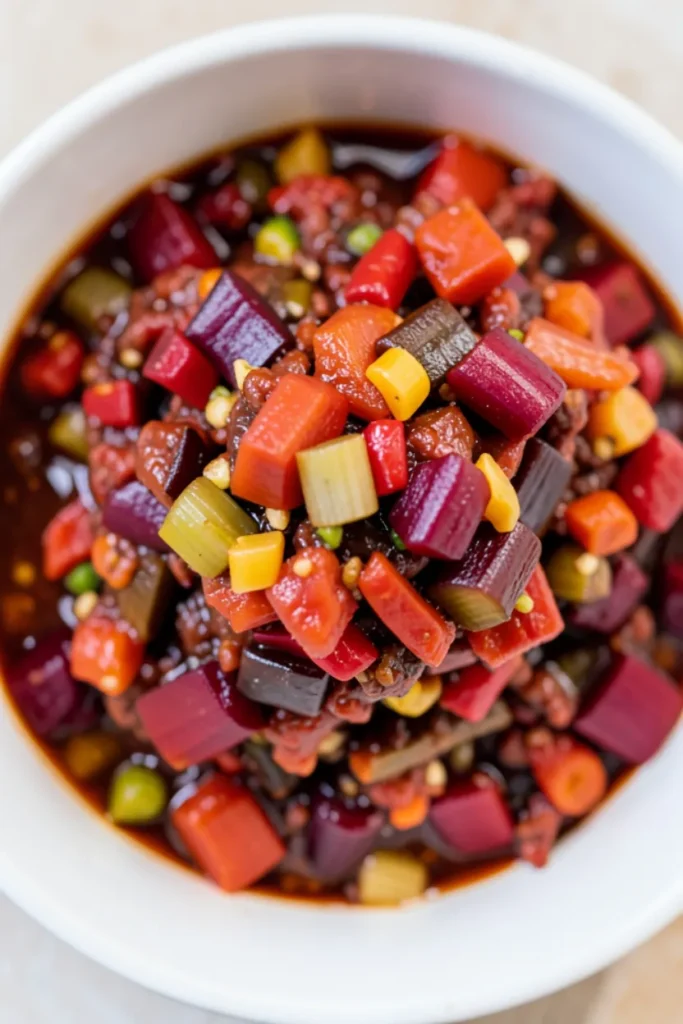
One of the coolest things about rhubarb involves how quickly it breaks down. As the mixture simmers, the stalks soften and partially dissolve. This creates a thick, spoonable consistency that spreads easily while still retaining some texture. The finished chutney should feel rich and jammy, not watery or overly smooth.
What Goes Into a Traditional Rhubarb Chutney?
The beauty of chutney lies in its flexibility. You can adjust ingredients based on personal taste, pantry inventory, or whatever needs using before it starts giving you judgmental looks from the refrigerator. Many recipes include:
- Fresh rhubarb
- Onions
- Brown sugar
- Apple cider vinegar
- Fresh ginger
- Raisins or currants
- Cinnamon
- Cloves
- A pinch of salt
Some cooks add apples for extra sweetness. Others throw in orange zest, chili flakes, or even a splash of whiskey. There aren’t many strict rules here.
Choosing the Best Rhubarb
Look for firm, crisp stalks with vibrant color. Contrary to popular belief, deeper red stalks don’t always taste sweeter. Color varies by variety. Focus on freshness rather than appearance alone. Avoid stalks that feel limp or excessively dry. And one important reminder: only use the stalks. Rhubarb leaves contain compounds that make them unsafe to eat. The leaves belong in the compost pile, not your cooking pot.
How to Make Rhubarb Chutney at Home
Making rhubarb chutney feels surprisingly easy. Most of the work involves chopping ingredients and letting time do the heavy lifting. Here’s a basic process:
- Wash and chop the rhubarb.
- Dice onions and prepare spices.
- Combine everything in a large saucepan.
- Bring the mixture to a gentle simmer.
- Cook until thick and glossy.
- Allow it to cool before storing.
That’s really it. The hardest part often involves waiting for the flavors to develop. Freshly made chutney tastes good, but after a day or two in the refrigerator? That’s when things get interesting.
Common Mistakes to Avoid
A few small mistakes can affect the final result.
- Adding too much sugar can overpower the rhubarb.
- Using too little vinegar can make the flavor feel flat.
- Cooking too quickly can scorch the mixture.
- Stopping too soon can leave excess liquid.
Patience pays off. Slow simmering allows the ingredients to blend into a balanced, flavorful chutney.
Creative Ways to Serve Rhubarb Chutney
This is where rhubarb chutney really shines. People often make a jar and then wonder what to do with it. The answer? More things than you probably expect. Try serving it with:
- Roast chicken
- Grilled pork chops
- Lamb dishes
- Turkey sandwiches
- Sharp cheddar cheese
- Brie or camembert
- Crackers and charcuterie boards
- Veggie burgers
FYI, a spoonful of rhubarb chutney on a grilled cheese sandwich can feel oddly life-changing. Maybe not “quit-your-job-and-travel-the-world” life-changing, but definitely “make-another-sandwich-immediately” life-changing.
Pairing with Cheese
Cheese and chutney form one of the great culinary partnerships. Sharp cheeses especially benefit from the sweet-tart contrast. Some excellent choices include:
- Aged cheddar
- Gouda
- Blue cheese
- Manchego
- Brie
The combination creates layers of flavor that keep each bite interesting.
Storage Tips and Shelf Life
Once cooled, rhubarb chutney stores quite well. In a sealed container inside the refrigerator, it typically remains fresh for several weeks. In many cases, the flavor improves after the first few days. If you enjoy preserving seasonal produce, you can also process chutney using proper canning methods. Many home cooks prepare large batches during rhubarb season specifically because the condiment stores so well.
Does It Freeze Well?
Yes, absolutely. Freeze rhubarb chutney in airtight containers, leaving a little room for expansion. When you’re ready to use it, thaw it in the refrigerator overnight. The texture usually remains very close to the original.
Why Rhubarb Chutney Deserves More Attention
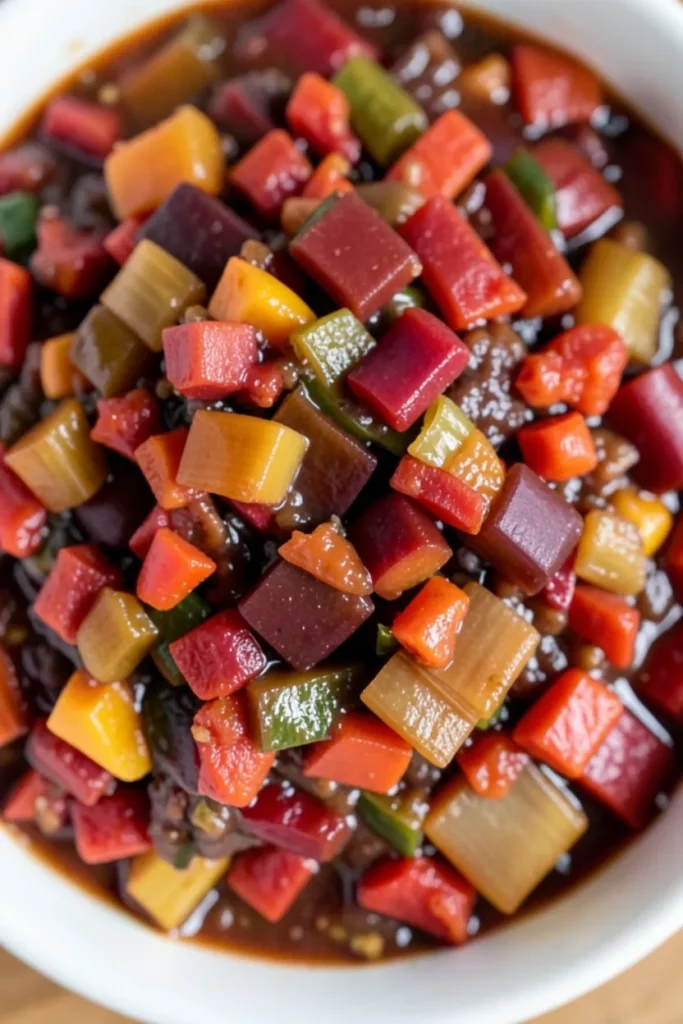
Poor rhubarb often gets typecast. Every spring, people grab it for pies, crisps, and cakes while its savory potential sits quietly in the corner waiting for recognition. Rhubarb chutney proves that this humble plant can do far more than play dessert duty. The combination of sweetness, acidity, spice, and texture creates a condiment that feels both familiar and unique. It adds excitement without demanding complicated techniques or hard-to-find ingredients. And honestly, finding a condiment that works with cheese, sandwiches, roasted meats, and snack boards deserves at least a little applause.
FAQ’s
Is rhubarb chutney sweet or savory?
It sits somewhere in the middle. Most recipes combine sweet ingredients like sugar or dried fruit with savory elements such as onions, vinegar, and spices. The final result balances both flavor profiles.
Can I make rhubarb chutney without raisins?
Yes. Many recipes substitute chopped dates, dried cranberries, dried apricots, or simply leave dried fruit out altogether. The flavor will change slightly, but the chutney will still taste great.
How long does homemade rhubarb chutney last?
When stored in a sealed container in the refrigerator, homemade rhubarb chutney generally stays fresh for several weeks. Properly canned versions can last much longer when stored correctly.
Can I use frozen rhubarb?
Absolutely. Frozen rhubarb works very well in chutney. You may notice a little extra liquid during cooking, but extended simmering usually solves that issue.
What meat pairs best with rhubarb chutney?
Pork and lamb pair particularly well with rhubarb chutney because the sweet-tart flavors complement their richness. Chicken and turkey also make excellent partners.
Can I make rhubarb chutney spicy?
Yes. Add chili flakes, fresh chilies, cayenne pepper, or hot paprika during cooking. The heat creates a fantastic contrast with the rhubarb’s natural tartness.
Related Recipes
Conclusion
Rhubarb chutney offers a delicious way to see rhubarb from a completely different angle. Its sweet-tart flavor, rich texture, and incredible versatility make it a standout addition to countless meals. Whether you spread it on a sandwich, pair it with cheese, or serve it alongside roasted meats, this flavorful condiment proves that rhubarb deserves far more than a seasonal dessert cameo.