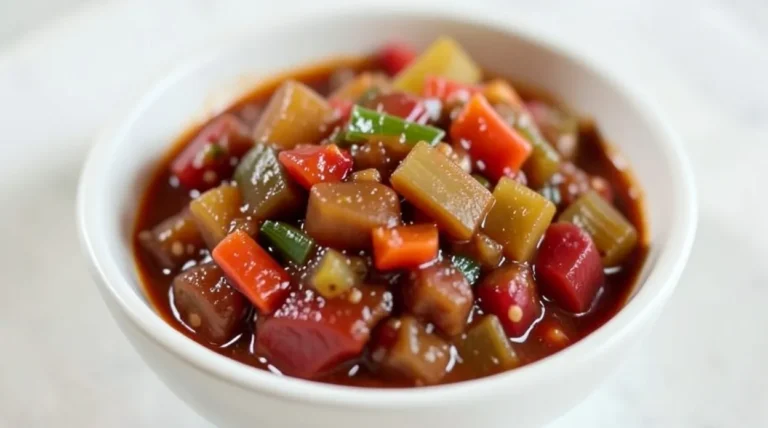
Homemade Rhubarb Jam Recipe
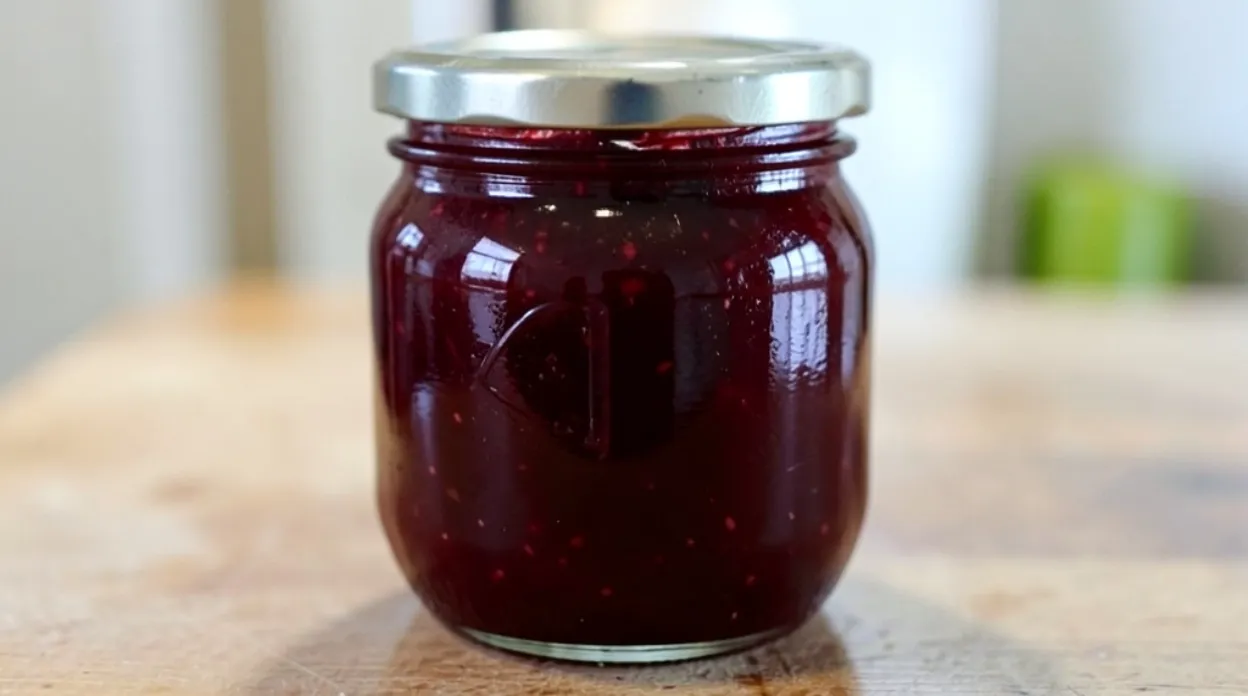
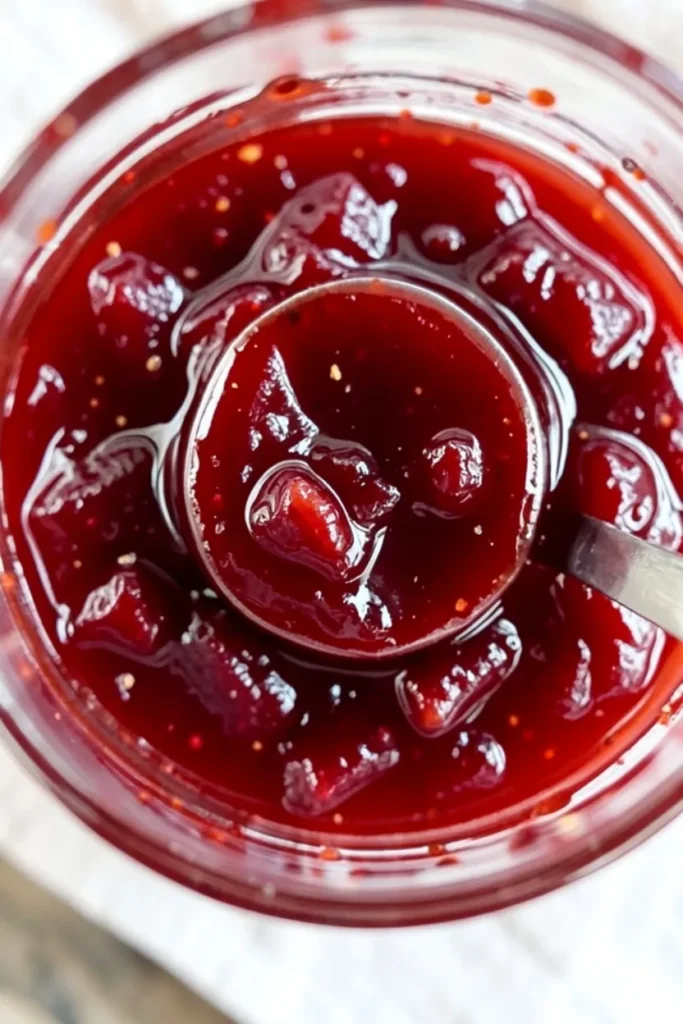
There’s something oddly satisfying about turning a pile of tart rhubarb stalks into a jar of bright, ruby-colored jam. One minute, you’ve got a bunch of celery-looking stems that make your face scrunch up when you taste them raw. The next? You’ve got a sweet, tangy spread that makes toast, biscuits, and even plain yogurt feel a little more exciting. Homemade rhubarb jam sits in that perfect sweet spot between simple and impressive. It doesn’t require fancy ingredients, and the flavor delivers way more than the effort suggests. If you’ve never made jam before, this might become your gateway recipe. Fair warning: once friends taste it, they’ll start asking for jars.
Why Rhubarb Makes Such Great Jam
Rhubarb brings a flavor that stands out from typical fruit jams. It has a natural tartness that keeps the sweetness in check, which means the final result tastes bright instead of sugary. That balance makes rhubarb jam incredibly versatile. You can spread it on toast at breakfast, swirl it into desserts, or sneak spoonfuls straight from the jar when nobody’s looking. No judgment here. Another bonus? Rhubarb breaks down beautifully during cooking. You don’t need complicated equipment or expert-level kitchen skills. The stalks practically do the work for you.
The Flavor Profile
If you’ve never tasted rhubarb jam, imagine a blend of:
- Tangy berries
- Tart green apples
- A hint of citrus-like brightness
- Classic homemade jam sweetness
The exact flavor depends on how much sugar you add and whether you include other fruits.
Why People Love It
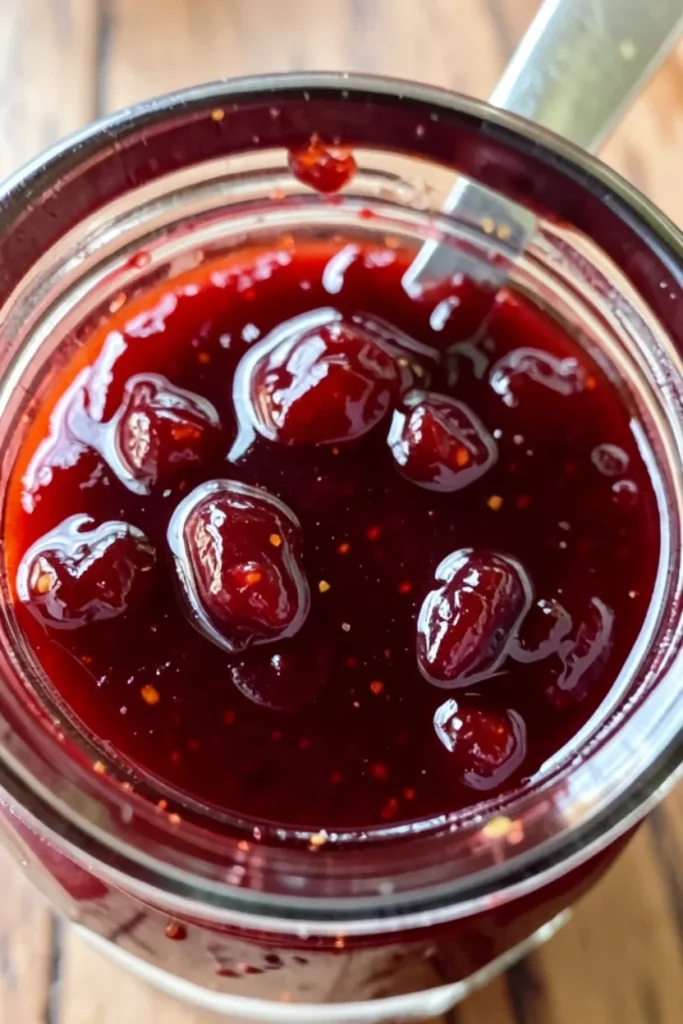
People often fall for rhubarb jam because it offers something different from strawberry or grape preserves. It tastes fresh, lively, and slightly old-fashioned in the best possible way. Plus, that gorgeous pink-red color doesn’t hurt.
Choosing the Best Rhubarb for Jam
The quality of your jam starts with the stalks you pick. Luckily, selecting good rhubarb doesn’t require detective skills. Look for firm stalks that feel crisp and fresh. They should snap cleanly when bent. Limp stalks usually signal that the rhubarb has spent too much time hanging around. Color matters less than many people think. Some varieties grow deep red stalks, while others stay mostly green. Both can make excellent jam. Freshness matters far more than color. One important note: never use rhubarb leaves. They contain compounds that aren’t safe to eat. Trim them off and toss them immediately.
Prepping Rhubarb
Before cooking, follow these simple steps:
- Wash the stalks thoroughly.
- Remove any remaining leaves.
- Trim rough ends.
- Cut stalks into small pieces.
That’s it. No peeling. No special treatment. Rhubarb keeps things refreshingly simple.
The Basic Ingredients You Need
One reason homemade rhubarb jam remains popular is its short ingredient list. Most recipes require only a handful of items:
- Fresh rhubarb
- Sugar
- Lemon juice
- Pectin (optional, depending on recipe)
That’s hardly a shopping marathon. Many traditional recipes skip commercial pectin entirely. Rhubarb naturally thickens as it cooks, especially when combined with sugar and lemon juice. IMO, starting with a simple recipe helps you understand the fruit’s flavor before experimenting with extra ingredients.
Fun Flavor Additions
Once you master basic rhubarb jam, you can branch out with additions like:
- Strawberries
- Raspberries
- Orange zest
- Vanilla bean
- Fresh ginger
- Cinnamon
Each ingredient changes the personality of the jam without overwhelming the rhubarb.
How Homemade Rhubarb Jam Comes Together
Making jam sounds intimidating until you actually do it. Then you realize it’s mostly stirring and waiting. You combine chopped rhubarb, sugar, and lemon juice in a large pot. As the mixture heats, the rhubarb softens and releases moisture. Soon, everything transforms into a bubbling, fragrant mixture that looks far more impressive than the effort involved.
What Happens During Cooking?
The process unfolds quickly:
- The sugar draws moisture from the rhubarb.
- The rhubarb softens and breaks apart.
- The mixture thickens as water evaporates.
- The flavor becomes richer and more concentrated.
Your kitchen will smell amazing somewhere around step three.
Knowing When It’s Done
This part trips up many beginners. The jam should coat a spoon and hold its shape briefly before sliding off. You can also place a small spoonful on a chilled plate. If it wrinkles slightly when pushed, it’s usually ready. Don’t stress about perfection. Jam thickens further as it cools. Honestly, every experienced jam maker has stared into a pot wondering, “Is this ready yet?” You’re in good company.
Creative Ways to Use Rhubarb Jam
Toast may get all the attention, but rhubarb jam deserves a bigger stage. Its sweet-tart flavor works surprisingly well in both simple and fancy dishes. A single jar can transform dozens of meals. Here are some favorite uses:
- Spread on toast, muffins, or biscuits
- Swirled into oatmeal
- Mixed into yogurt
- Layered into cakes
- Added to thumbprint cookies
- Served with cheese boards
- Used as a pancake topping
Pairing with Cheese
Want to feel unexpectedly sophisticated? Serve rhubarb jam alongside creamy cheeses. The tartness cuts through rich flavors beautifully. Guests often assume you spent hours planning the pairing. No need to correct them.
Common Mistakes and How to Avoid Them
Even easy recipes have a few potential pitfalls. Fortunately, most mistakes come with straightforward solutions.
Adding Too Much Sugar
Sugar helps preserve jam, but excessive amounts can bury rhubarb’s natural flavor. Aim for balance instead of candy-level sweetness.
Overcooking the Jam
Long cooking times can dull the bright flavor. Cook until the mixture thickens, then stop. Rhubarb rewards restraint.
Using a Pot That’s Too Small
Jam bubbles aggressively. Choose a large pot with plenty of room to prevent messy boil-overs. Cleaning sticky jam off a stovetop isn’t anyone’s favorite hobby.
Skipping Sterilized Jars
If you plan to store your jam for extended periods, use properly sterilized jars. A little preparation helps preserve flavor and freshness.
FAQ’s
Can I make rhubarb jam without pectin?
Yes. Many homemade recipes rely on rhubarb, sugar, and lemon juice alone. The jam may have a slightly softer texture, but it still tastes delicious.
How long does homemade rhubarb jam last?
Properly processed and sealed jars can last for months in storage. Once opened, keep the jam refrigerated and use it within a few weeks.
Can I freeze rhubarb jam?
Absolutely. Many people freeze jam successfully. Leave adequate space in freezer-safe containers because the contents expand slightly.
Why is my jam too runny?
The mixture may need additional cooking time, or it may simply need to cool completely. Jam often thickens considerably after cooling.
Can I reduce the sugar?
You can, but expect changes in texture, shelf life, and flavor. Sugar plays an important role beyond sweetness.
Can I combine rhubarb with other fruits?
Definitely. Strawberries rank as the classic partner, but raspberries, cherries, and oranges also work wonderfully.
Related Recipes
Conclusion
Homemade rhubarb jam proves that simple ingredients can create something memorable. The tart flavor, vibrant color, and endless versatility make it a favorite among home cooks year after year. Whether you spread it on morning toast, pair it with cheese, or gift jars to friends, rhubarb jam delivers plenty of reward for very little effort. Grab some fresh stalks, a pot, and a little sugar, and you’ll discover why so many people return to this classic recipe every season.