Classic Rhubarb Pie Recipe
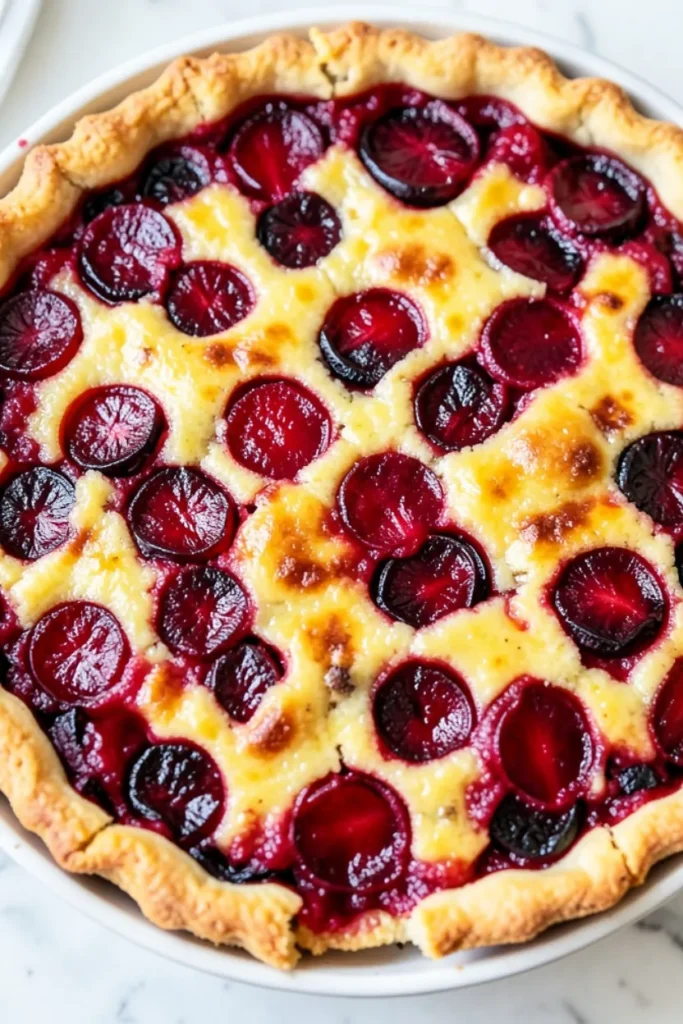
Fresh, tangy, sweet, and just a little bit old-fashioned—classic rhubarb pie has a way of stealing the spotlight. One bite delivers that perfect balance of tart and sugary flavors wrapped inside a flaky, buttery crust. If you’ve never baked one before, don’t worry. Rhubarb pie looks fancy, but it doesn’t demand pastry-chef superpowers. For many home bakers, this pie marks the arrival of spring and early summer. Rhubarb bursts onto the scene with its bright red stalks and bold personality, basically announcing, “I’m not a strawberry, but I can absolutely compete for your attention.”
Why Classic Rhubarb Pie Never Goes Out of Style
Food trends come and go. One year everyone obsesses over cronuts, and the next year they’re chasing some viral dessert you’ve never heard of. Rhubarb pie, however, keeps showing up generation after generation. The reason feels pretty simple. It offers a flavor you can’t easily find elsewhere. Rhubarb brings a sharp tartness that wakes up your taste buds, while sugar softens the edges just enough. A good rhubarb pie also delivers contrast in every bite:
- Tangy filling
- Sweet balance
- Tender fruit texture
- Flaky crust
- Warm comforting aroma
That’s a lot of delicious work from a humble pie.
What Exactly Is Rhubarb?
If you haven’t spent much time around rhubarb, you’re not alone. Plenty of people walk past it at the grocery store and wonder whether it belongs in a salad or a flower arrangement. Rhubarb grows as long, celery-like stalks that range from pale green to deep red. Despite appearing in desserts, it actually counts as a vegetable. Funny how life works sometimes.
The Part You Should Eat
Only the stalks belong in your pie. The leaves contain high levels of oxalic acid and should never end up on your dinner plate. Stick with firm, crisp stalks that snap easily. Fresh rhubarb delivers the best flavor and texture for pie filling.
How Rhubarb Tastes
Imagine a green apple with extra attitude. That’s probably the easiest way to describe rhubarb. Raw rhubarb tastes intensely tart. Most people prefer cooking it with sugar, which transforms it into something beautifully balanced and surprisingly addictive.
The Building Blocks of a Great Rhubarb Pie
Classic rhubarb pie doesn’t require a shopping cart full of specialty ingredients. In fact, simplicity forms part of its charm. Most traditional recipes include:
- Fresh rhubarb
- Sugar
- Flour or cornstarch
- Butter
- Pie crust
- A pinch of salt
Some bakers add cinnamon, nutmeg, or vanilla. Others insist that rhubarb should stand alone without extra flavors competing for attention. IMO, both approaches work. The best version simply comes down to your personal taste.
Choosing the Right Sweetness Level
This step matters more than almost anything else. Too little sugar creates a filling that tastes aggressively sour. Too much sugar hides rhubarb’s unique flavor completely. Most traditional recipes strike a middle ground, allowing the tartness to remain noticeable while keeping every bite enjoyable.
The Secret to a Flaky Crust
Let’s address the part that scares many home bakers: the crust. Here’s the good news. Pie crust doesn’t need perfection. Even rustic-looking pies taste amazing. A few simple rules make a huge difference:
- Use cold butter or shortening.
- Keep ingredients chilled.
- Avoid overworking the dough.
- Let the dough rest before rolling.
- Handle it gently.
When butter melts before baking, the crust loses its flaky layers. Keeping everything cold helps create those beautiful pockets that shatter slightly with each bite. And honestly, if your crust looks a little uneven? Congratulations. Everyone will assume you made it from scratch.
Lattice Top or Full Crust?
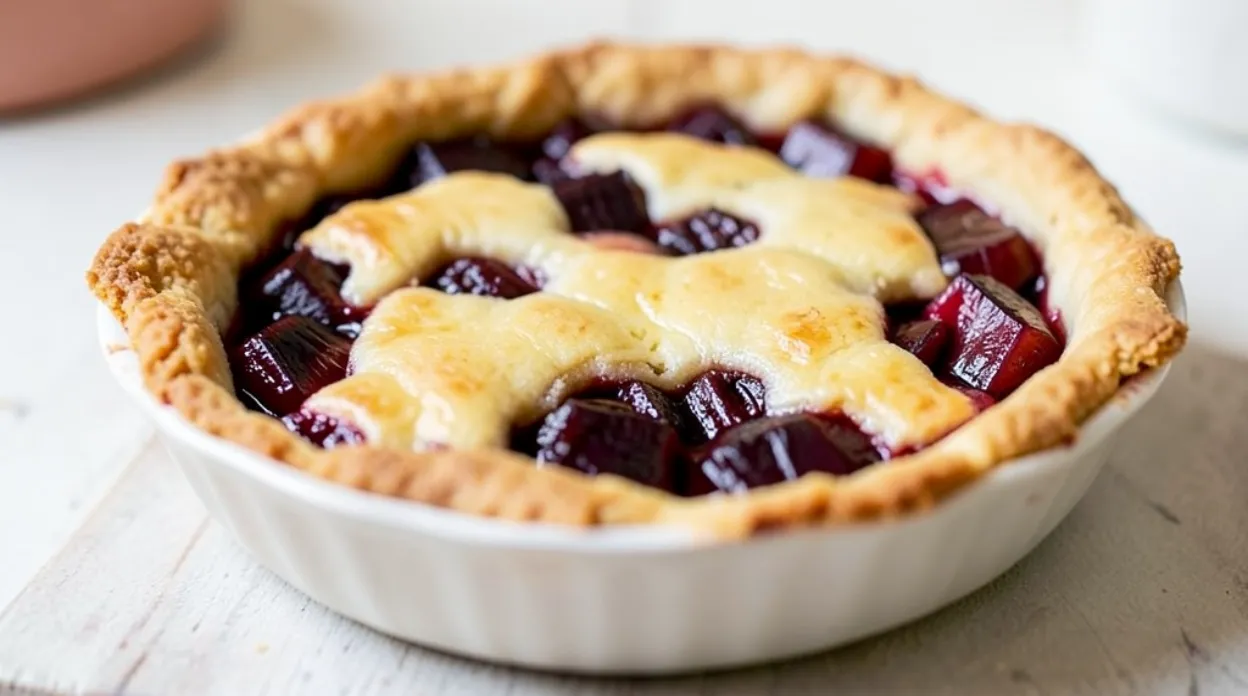
This debate has existed for ages. A lattice crust creates a beautiful presentation and allows steam to escape naturally. It also makes people think you spent hours decorating the pie. A full double crust offers a more traditional look and keeps the filling tucked neatly inside. Choose whichever style makes you happy. The pie police rarely issue citations.
Baking Tips That Make a Big Difference
Rhubarb pie rewards patience and attention to detail. While the recipe itself stays straightforward, a few small tricks can elevate your results dramatically.
Thicken the Filling Properly
Rhubarb releases a surprising amount of liquid during baking. Without enough thickener, you may end up with pie soup. Delicious pie soup, perhaps, but still soup. Many bakers use:
- Cornstarch for a clear filling
- Flour for a traditional texture
- Tapioca for extra stability
Each option works well when measured correctly.
Don’t Skip Cooling Time
This step feels almost impossible. The pie comes out of the oven bubbling, fragrant, and begging for immediate attention. Yet slicing too early often creates a runny filling. Allow the pie to cool completely. The filling thickens as it rests, making every slice cleaner and more attractive. Yes, waiting feels cruel. Yes, it’s worth it.
Watch for Visual Clues
The timer helps, but your eyes tell the real story. Look for:
- Golden brown crust
- Bubbling filling
- Even color across the top
- Firm-looking edges
Those signs usually indicate a properly baked pie.
Serving Ideas That Take It Over the Top
Classic rhubarb pie shines all by itself, but a few additions can make dessert even more memorable. The contrast between warm pie and cold toppings creates pure magic. Popular serving options include:
- Vanilla ice cream
- Fresh whipped cream
- Custard sauce
- Light dusting of powdered sugar
Vanilla ice cream remains the crowd favorite for good reason. The creamy sweetness balances rhubarb’s tart character perfectly. FYI, leftover pie tastes fantastic for breakfast. Technically it’s not breakfast food, but neither is cake, and people still make that happen.
Common Mistakes to Avoid
Even experienced bakers occasionally run into trouble with rhubarb pie. Fortunately, most issues have easy fixes.
- Using too little thickener
- Adding excessive sugar
- Rolling the dough too thin
- Slicing before cooling
- Using old, limp rhubarb stalks
Fresh ingredients and patience solve most pie problems. Remember, homemade pie doesn’t need bakery-level perfection. Slight imperfections often make it more charming.
FAQ’s
Can I use frozen rhubarb?
Yes. Frozen rhubarb works very well in pie recipes. Allow excess moisture to drain before mixing the filling so the pie doesn’t become overly watery.
Do I need to peel rhubarb?
No. Most rhubarb stalks don’t require peeling. Simply wash them thoroughly and trim away any tough ends.
Why is my rhubarb pie watery?
The filling usually turns watery when it lacks enough thickener or when you cut the pie before it cools completely. Both issues prevent the filling from setting properly.
Can I reduce the sugar?
You can, but proceed carefully. Rhubarb naturally tastes very tart. Reducing sugar too much may create a filling that feels overly sour.
How long does rhubarb pie stay fresh?
A baked rhubarb pie generally stays fresh for about two to three days at room temperature or up to five days in the refrigerator.
Can I combine rhubarb with other fruits?
Absolutely. Strawberries rank as the most popular partner, but apples, raspberries, and blueberries also pair beautifully with rhubarb.
Related Recipes
Conclusion
Classic rhubarb pie proves that simple desserts often leave the biggest impression. With its tart filling, flaky crust, and comforting homemade appeal, it delivers everything people love about traditional baking. Whether you’re continuing a family tradition or trying rhubarb for the first time, this pie offers a delicious reminder that some recipes never need reinventing. One slice usually turns into two—and honestly, nobody should feel surprised by that.