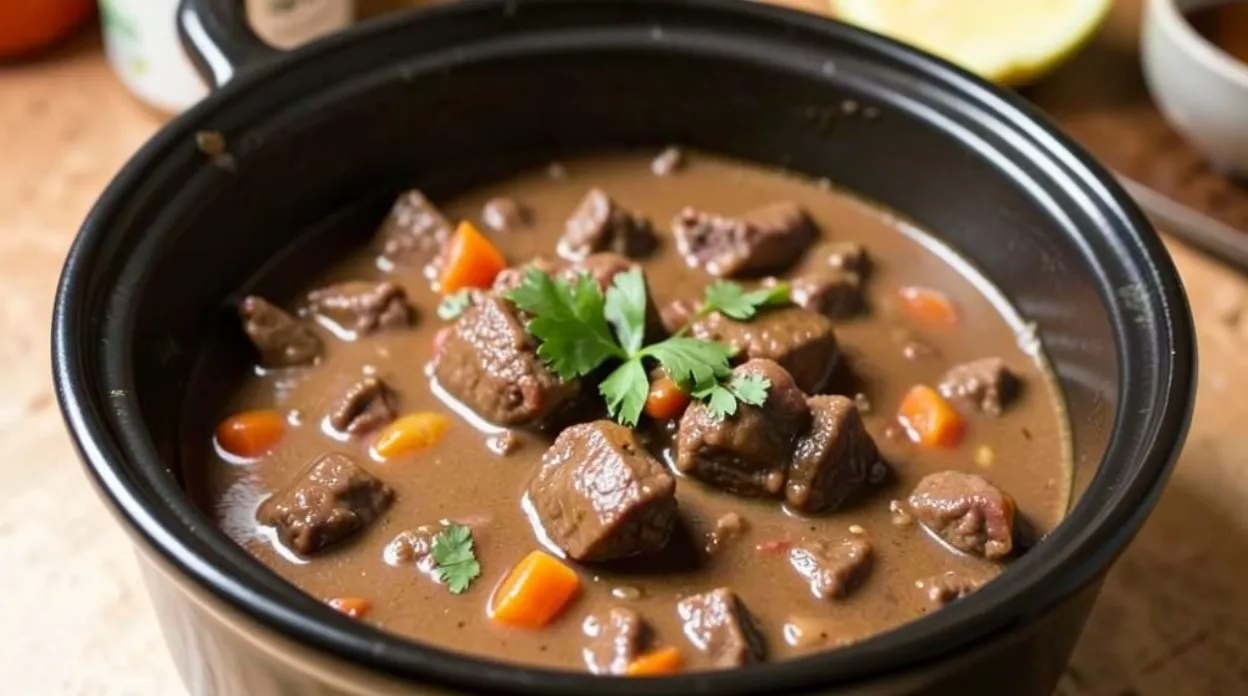
Slow Cooker Beef Stew
There’s something almost magical about coming home to the smell of slow cooker beef stew. You open the door, and suddenly the day feels a little less chaotic. Dinner practically made itself, your kitchen smells amazing, and all that’s left involves grabbing a bowl and a spoon. Honestly, that’s the kind of life upgrade nobody talks about enough. Slow cooker beef stew combines simple ingredients, rich flavors, and almost effortless cooking. It delivers comfort food at its finest without demanding hours of attention. If you love hearty meals that make everyone hover around the kitchen asking, “Is it ready yet?” then this recipe deserves a permanent spot in your rotation.
Why Slow Cooker Beef Stew Never Goes Out of Style
Food trends come and go. One week, everyone obsesses over fancy fusion dishes, and the next week, they’re blending cottage cheese into everything. Meanwhile, beef stew quietly keeps winning. The appeal comes down to simplicity. You toss ingredients into a slow cooker, let time work its magic, and end up with a deeply flavorful meal that tastes like you spent all day cooking. A great beef stew also checks a lot of boxes:
- Filling and satisfying
- Budget-friendly
- Easy to customize
- Perfect for meal prep
- Excellent for feeding a crowd
Plus, leftovers often taste even better the next day. That’s basically the stew version of a bonus round.
The Ingredients That Make Everything Work
A fantastic slow cooker beef stew doesn’t require a complicated shopping list. The magic happens when simple ingredients spend hours cooking together. The core ingredients usually include:
- Beef chuck roast
- Potatoes
- Carrots
- Onions
- Beef broth
- Garlic
- Tomato paste
- Herbs and seasonings
Each ingredient contributes something important. The beef provides richness, the vegetables add sweetness, and the broth ties everything together into one comforting bowl.
Why Beef Chuck Works Best
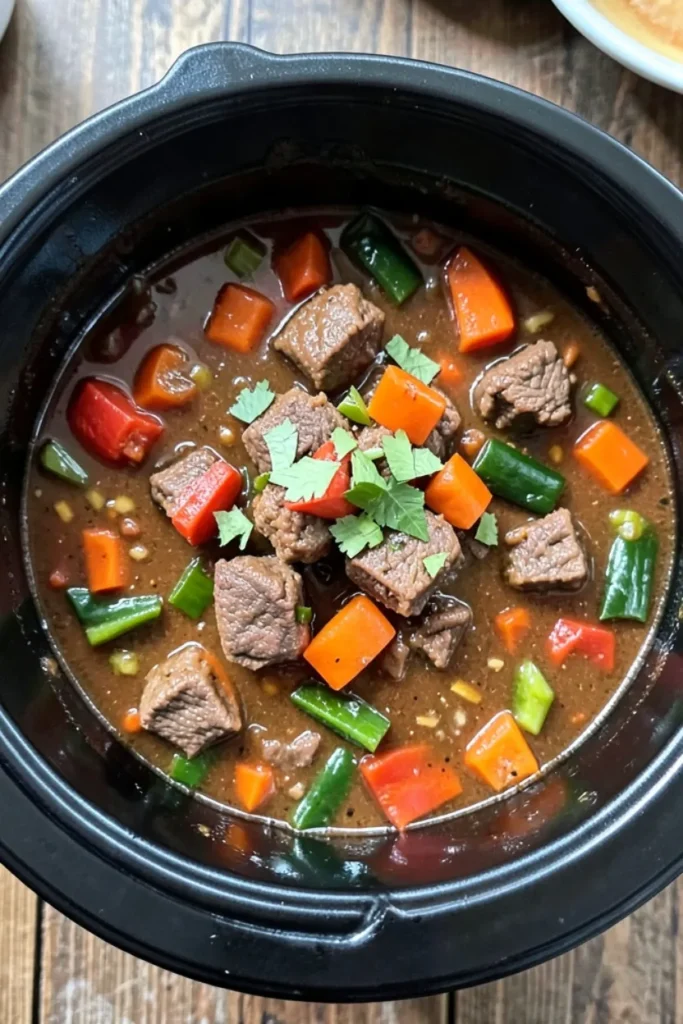
If you stand in front of the meat counter wondering which cut to buy, grab a chuck roast. Chuck contains plenty of connective tissue and marbling. During the long cooking process, those tough fibers break down and create incredibly tender bites. Expensive cuts might sound tempting, but they often turn dry in a slow cooker. Sometimes the cheaper option truly wins. Your wallet will appreciate that fact.
The Best Vegetables for Stew
Potatoes and carrots remain classic choices for good reason. They hold their shape during long cooking sessions and soak up tons of flavor. You can also add:
- Celery
- Parsnips
- Turnips
- Mushrooms
- Peas
- Green beans
Think of the vegetable section as your playground. Just avoid delicate vegetables that turn into mush after several hours.
How to Build Bigger Flavor
The biggest difference between an okay stew and an amazing stew often comes from a few extra minutes of preparation. Many people skip these steps because they’re eager to dump everything into the slow cooker. I get it. We’ve all had those days. Still, these tricks pay off.
Brown the Beef First
Before adding the meat to the slow cooker, sear it in a hot pan. This step creates deep, caramelized flavors that you simply can’t get from slow cooking alone. The browned bits on the pan bring serious flavor to the final dish. Does it add another pan to wash? Yes. Is it worth it? Also yes.
Use Tomato Paste
Tomato paste works like a secret weapon in beef stew. You don’t need much. A couple of tablespoons add depth, richness, and subtle sweetness without making the stew taste like tomatoes. Many home cooks overlook this ingredient, but it quietly does a lot of heavy lifting.
Season Throughout Cooking
Don’t wait until the very end to add flavor. Season the beef before browning it. Add herbs and spices to the cooking liquid. Then taste and adjust once the stew finishes. Layering flavor creates a more balanced and satisfying result.
Cooking Low and Slow Makes the Difference
The slow cooker’s real superpower involves patience. Long cooking times allow tough cuts of beef to transform into fork-tender pieces while vegetables absorb all those savory juices. Most recipes follow one of these schedules:
- Low setting: 8 to 10 hours
- High setting: 4 to 6 hours
IMO, the low setting almost always produces better results. The meat becomes more tender, and the flavors develop more fully. Think of it as giving your ingredients extra time to become friends.
Avoid Lifting the Lid
Every time you remove the lid, heat escapes. That lost heat can extend cooking time significantly. Resist the temptation to check on things every thirty minutes. Your stew doesn’t need constant supervision. It has everything under control.
Making the Stew Thick and Rich
Nobody wants beef stew that resembles flavored water. A rich, velvety texture turns a decent stew into something memorable. Several methods work well:
- Mix cornstarch and water into a slurry.
- Mash a few cooked potatoes into the broth.
- Use flour-coated beef before browning.
- Reduce excess liquid near the end.
Cornstarch remains the easiest option. Stir it in during the last 30 minutes of cooking and let the stew thicken naturally. The result feels hearty without becoming overly heavy.
Easy Ways to Customize Your Stew
One reason slow cooker beef stew stays so popular involves flexibility. You can tweak the recipe based on personal preferences, available ingredients, or whatever sits in the refrigerator waiting to get used. Popular additions include:
- Red wine
- Worcestershire sauce
- Balsamic vinegar
- Mushrooms
- Fresh herbs
- Sweet potatoes
A splash of red wine adds complexity. Worcestershire sauce boosts savory flavor. Fresh parsley brightens everything at the end. Small adjustments can completely change the character of the dish.
Making It Healthier
Want a lighter version? Trim excess fat from the beef, use low-sodium broth, and increase the vegetable-to-meat ratio. You still get plenty of flavor while reducing calories. FYI, vegetables become incredibly delicious after simmering in beef broth all day.
Storage, Leftovers, and Meal Prep Tips
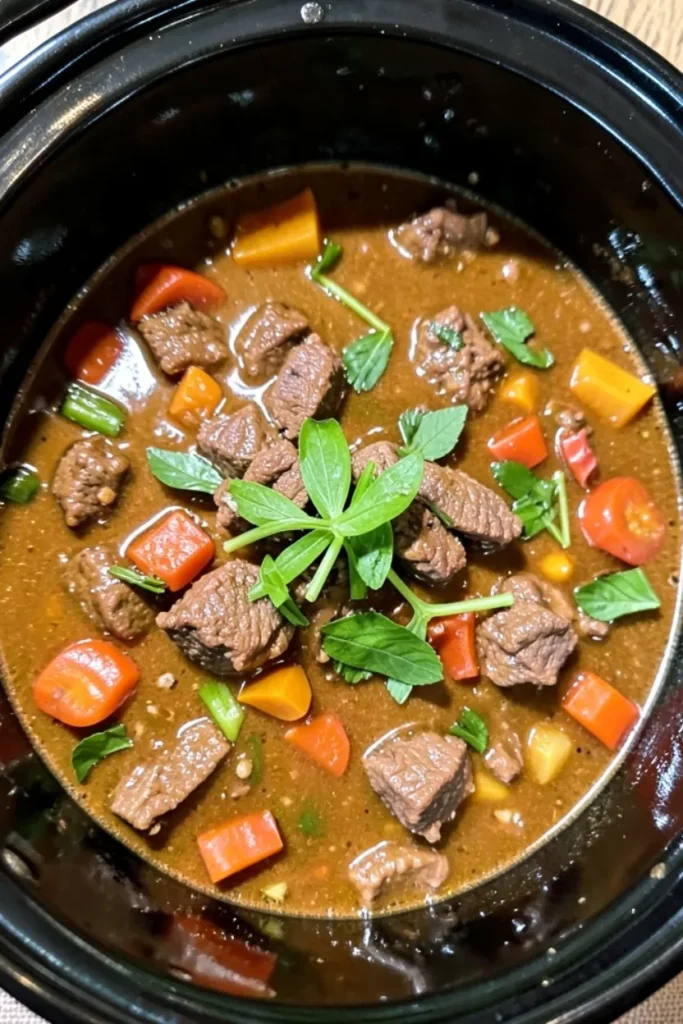
Slow-cooker beef stew might be one of the best meal-prep foods ever created. The flavors continue developing overnight, making leftovers especially tasty. Store cooled stew in airtight containers and refrigerate for up to four days. For longer storage:
- Freeze individual portions
- Label containers with dates
- Leave room for expansion during freezing
- Thaw overnight in the refrigerator
A freezer full of homemade beef stew feels like future-you planned ahead. Future-you deserves some credit.
FAQ’s
Can I put raw beef directly into the slow cooker?
Yes, you can. However, browning the beef first creates much deeper flavor and better texture. The extra step pays off in the finished dish.
Why is my beef still tough after cooking?
The meat likely needs more time. Tough cuts require several hours to break down properly. Continue cooking until the beef becomes fork-tender.
Can I cook beef stew overnight?
Absolutely. Many people start the slow cooker before bed and wake up to perfectly cooked stew. Use the low setting for best results.
What potatoes work best in beef stew?
Yukon Gold and red potatoes perform very well. They hold their shape and develop a creamy texture without falling apart.
Can I freeze slow cooker beef stew?
Yes. Beef stew freezes exceptionally well. Store portions in freezer-safe containers for up to three months.
How can I add more flavor without extra salt?
Try garlic, fresh herbs, Worcestershire sauce, tomato paste, or a splash of balsamic vinegar. These ingredients add complexity without relying on sodium.
Related Recipes
Conclusion
Slow cooker beef stew proves that great comfort food doesn’t need complicated techniques or endless kitchen time. With a handful of simple ingredients and a little patience, you can create a rich, hearty meal that feels warm and satisfying from the very first bite. Whether you prepare it for a busy weekday, a cozy weekend, or a freezer-friendly meal-prep session, this classic dish rarely disappoints. Grab your slow cooker, load it up, and let the magic happen. Your future dinner self will thank you.