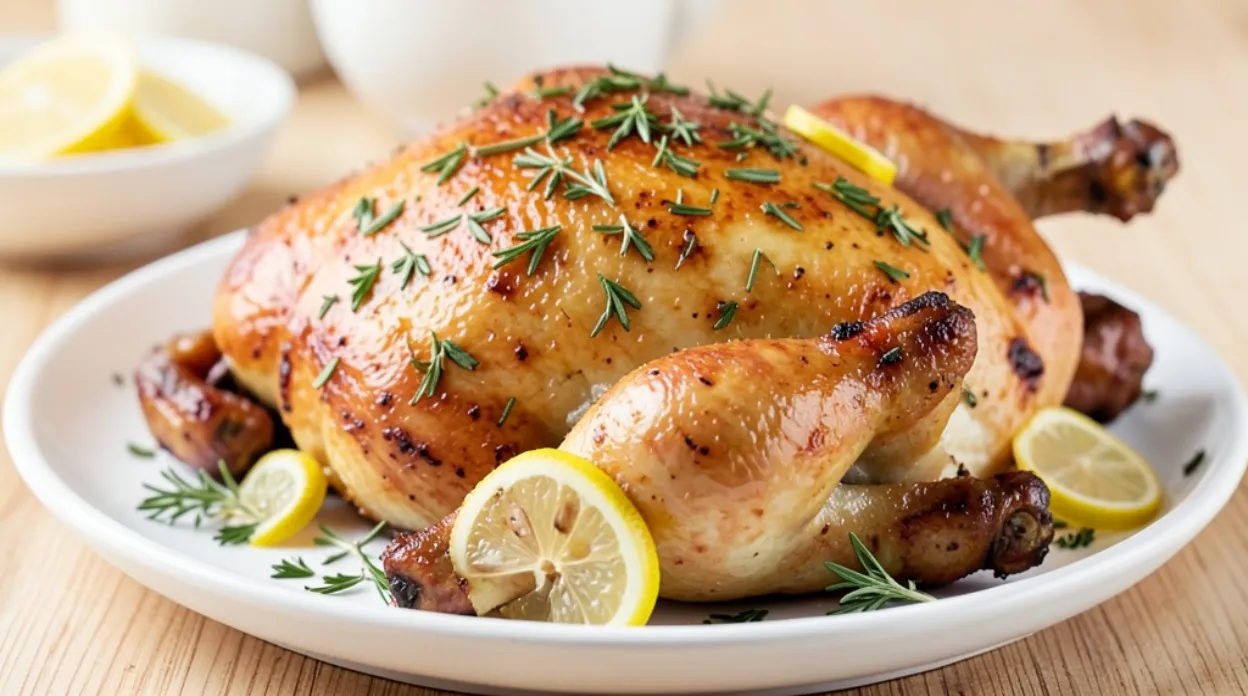
Lemon Herb Roast Chicken
Few dishes deliver comfort quite like Lemon Herb Roast Chicken. The aroma alone can turn an ordinary evening into something that feels a little special. Fresh lemon, fragrant herbs, crispy golden skin, and juicy meat create a combination that never goes out of style. Best of all, it looks impressive without demanding chef-level skills.
Why Lemon Herb Roast Chicken Never Gets Old
Roast chicken enjoys legendary status for a reason. It feels rustic, elegant, and comforting all at the same time. Add lemon and herbs to the mix, and suddenly a simple chicken transforms into the star of the dinner table. The bright citrus cuts through the richness of the meat, while herbs add layers of fresh flavor. Every bite tastes balanced instead of heavy. IMO, this dish also wins because it works for almost any occasion. Family dinner? Perfect. Weekend gathering? Absolutely. Trying to impress someone without spending six hours in the kitchen? You’ve found your answer.
The Magic Behind the Flavor Combination
Lemon and herbs don’t just sit on top of the chicken. They work together to create flavor from the inside out. When the chicken roasts, the lemon releases juice and fragrant oils. The herbs infuse the meat and mingle with the natural juices, creating an incredible aroma that fills the kitchen.
Why Lemon Works So Well
Lemon brings several benefits:
- Adds brightness and freshness
- Balances rich chicken fat
- Helps create a flavorful roasting environment
- Makes leftovers taste fresher the next day
Without lemon, roast chicken can feel a little one-dimensional. With lemon, every bite wakes up your taste buds.
The Best Herbs to Use
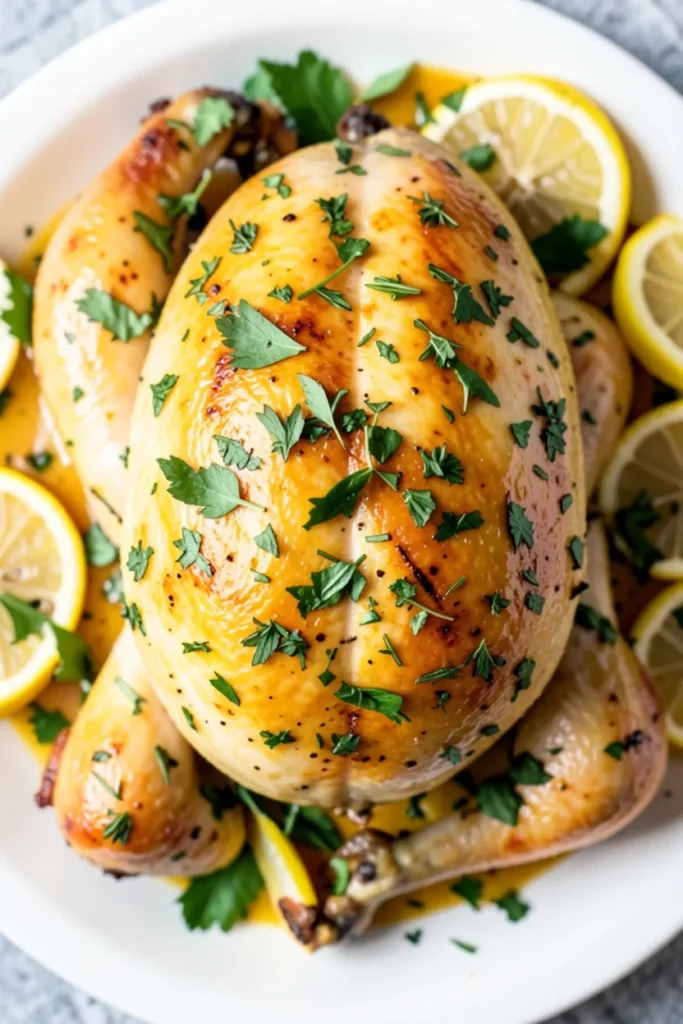
Some herbs pair especially well with roast chicken:
- Rosemary for earthy, pine-like flavor
- Thyme for subtle savory notes
- Parsley for freshness
- Sage for warmth and depth
- Oregano for a slightly peppery kick
You don’t need all of them. Even a simple combination of rosemary and thyme works beautifully.
Choosing the Right Chicken
Not all chickens roast exactly the same way. Size matters more than many people realize. A chicken weighing around 4 to 5 pounds often provides the best balance between juicy meat and manageable cooking time. Larger birds require longer roasting and can dry out if you’re not careful. Look for:
- Firm, plump appearance
- Even skin color
- No strong odor
- Good fat distribution under the skin
If you can buy a fresh chicken from a trusted source, even better. The flavor difference often shows up in the final result.
Building Layers of Flavor Before Roasting
The real secret to outstanding roast chicken starts long before it enters the oven. Season generously. Chicken needs more salt than most people expect. Under-seasoned roast chicken tastes about as exciting as reading appliance manuals. A simple preparation often includes:
- Pat the chicken completely dry
- Season inside and outside with salt and pepper
- Rub with olive oil or softened butter
- Add fresh herbs beneath or over the skin
- Stuff the cavity with lemon halves and herbs
Dry skin plays a huge role in achieving crispiness. Moisture creates steam, and steam happens to be the enemy of crispy skin.
Don’t Skip the Resting Time
Many people season and roast immediately. That works fine, but allowing the chicken to rest in the refrigerator for a few hours can improve flavor and texture. The seasoning penetrates deeper into the meat, while the skin dries slightly, helping it crisp up during roasting. FYI, this step feels fancy but requires almost zero effort.
The Roasting Process Made Simple
Roasting chicken sounds intimidating until you actually do it. Most of the cooking process involves waiting while your oven handles the hard work. The trick lies in maintaining steady heat and resisting the urge to constantly check on the bird. A successful roasting routine usually looks like this:
- Preheat the oven thoroughly
- Place the chicken breast-side up
- Roast until the skin turns golden brown
- Check the internal temperature
- Remove and rest before carving
That’s really it. Well, technically there’s also the part where everyone wanders into the kitchen asking, “How much longer?” every ten minutes.
How to Know When It’s Done
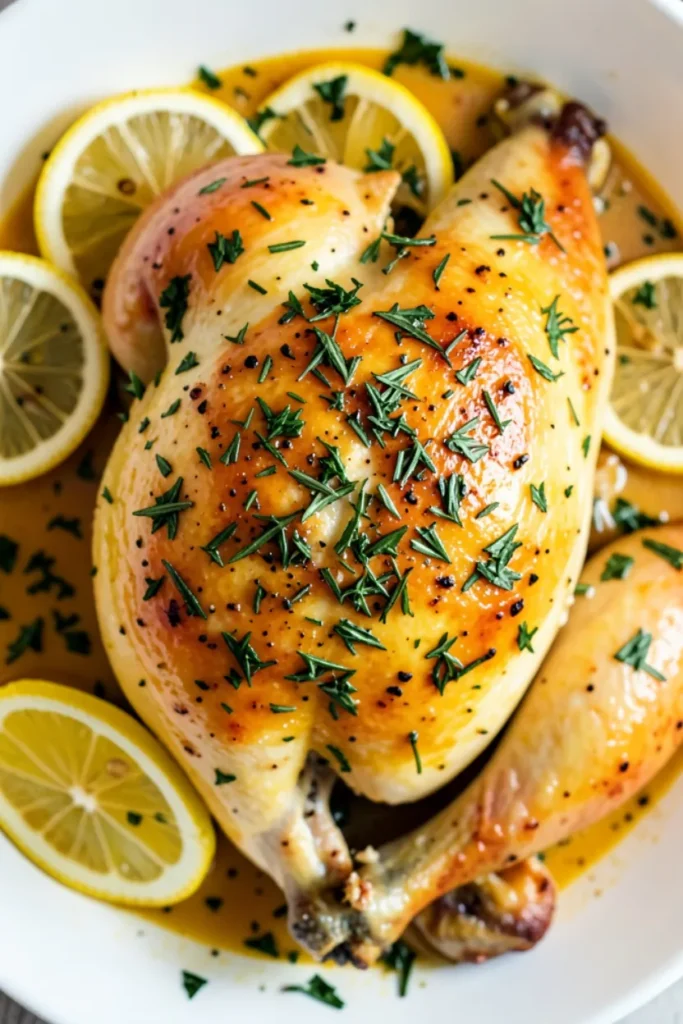
Forget guessing based on appearance alone. A meat thermometer provides the most reliable answer. The thickest part of the thigh should reach a safe temperature while remaining juicy. The juices should run clear, and the skin should look beautifully golden with crisp edges. When in doubt, trust the thermometer more than your instincts.
Perfect Side Dishes for Lemon Herb Roast Chicken
One reason people love this dish so much comes down to versatility. It pairs with almost anything. You can create a simple weeknight meal or an impressive feast depending on what you serve alongside it. Popular options include:
- Roasted potatoes
- Garlic mashed potatoes
- Steamed green beans
- Honey-glazed carrots
- Garden salad
- Roasted Brussels sprouts
- Rice pilaf
The lemon and herb flavors complement both vegetables and starches without overpowering them.
Don’t Waste the Pan Drippings
Those golden drippings at the bottom of the roasting pan contain pure flavor. Use them to create:
- Quick pan sauce
- Simple gravy
- Flavorful vegetable topping
- Extra moisture for sliced chicken
Pouring them down the drain should probably count as a minor culinary crime.
Common Mistakes That Can Ruin a Good Roast Chicken
Even simple recipes have a few traps. Fortunately, they’re easy to avoid once you know what to watch for. Skipping seasoning: Chicken needs generous seasoning for maximum flavor. Starting with wet skin: Moisture prevents crispness. Overcooking: The fastest route to dry chicken. Carving immediately: Resting allows juices to redistribute. Using stale herbs: Fresh herbs create noticeably better flavor. Most roast chicken disappointments come from one of these issues rather than the recipe itself.
Making the Most of Leftovers
A great roast chicken often creates even greater leftovers. The meat stays versatile and works in dozens of dishes. In some households, the second-day meals become the main event. Ideas for leftovers include:
- Chicken sandwiches
- Chicken salad
- Tacos
- Pasta dishes
- Soups
- Wraps
- Rice bowls
You can even simmer the bones with vegetables to create homemade stock. That stock delivers rich flavor and makes future soups taste fantastic. Talk about stretching your grocery budget.
FAQ’s
Should I use fresh or dried herbs?
Fresh herbs usually provide the best flavor and aroma. Dried herbs can still work well if fresh options aren’t available. Just remember that dried herbs taste more concentrated, so use less.
Can I prepare the chicken ahead of time?
Absolutely. You can season the chicken several hours or even a day before roasting. This approach often improves flavor and helps create crispier skin.
Do I need to baste the chicken while it cooks?
Not necessarily. Many cooks skip basting entirely and still achieve excellent results. Opening the oven repeatedly can lower the temperature and slow cooking.
What’s the best way to keep the chicken juicy?
Avoid overcooking and allow the chicken to rest after roasting. These two steps make the biggest difference in retaining moisture.
Can I use different citrus fruits?
Yes. Oranges, limes, and even grapefruit can create interesting flavor variations. Lemon remains the classic choice because it provides the perfect balance of brightness and acidity.
How long should the chicken rest before carving?
Aim for about 15 to 20 minutes. This resting period helps the juices stay inside the meat instead of running across the cutting board.
Related Recipes
Conclusion
Lemon Herb Roast Chicken proves that simple ingredients can create unforgettable meals. Fresh herbs, bright citrus, and a properly roasted chicken deliver flavors that feel both comforting and impressive. Whether you serve it for a busy weeknight dinner or a special gathering, this classic dish rarely disappoints. Once you master it, you’ll understand why so many home cooks keep coming back to it again and again.