Simple Korean Beef Bulgogi Recipe in 20 Minutes – Fast, Flavorful, and Weeknight-Friendly
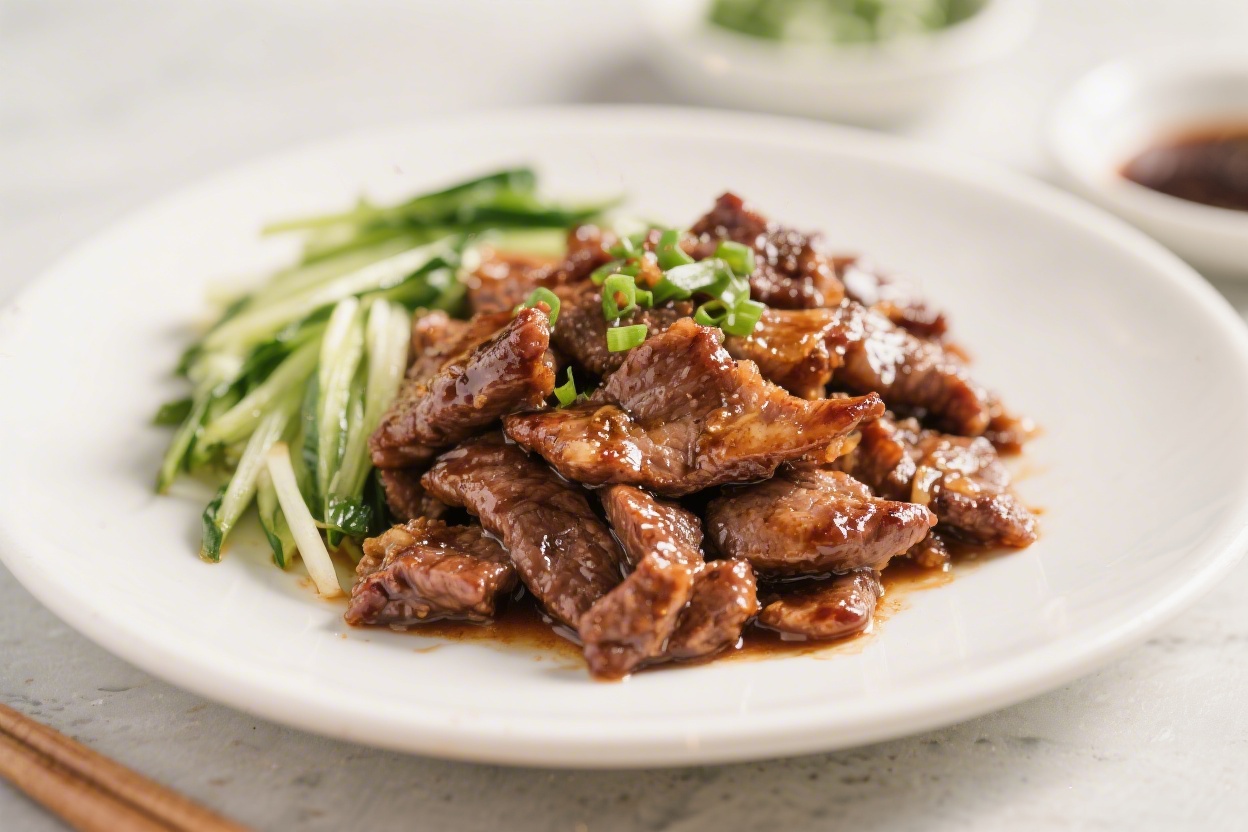
Bulgogi is one of those dishes that tastes restaurant-level but takes less time than ordering takeout. Thinly sliced beef soaks up a sweet-savory marinade, then cooks in minutes until caramelized and tender. You don’t need special equipment or rare ingredients—just a hot pan and a few pantry staples.
Serve it with rice, wrap it in lettuce, or pile it over noodles. It’s quick, flexible, and seriously satisfying.
What Makes This Recipe So Good
- Fast cook time: Thinly sliced beef cooks in 5–7 minutes, so dinner is ready in about 20 minutes, start to finish.
- Bold, balanced flavor: Soy sauce, brown sugar, garlic, and sesame oil hit sweet, salty, and nutty notes with a gentle heat from gochujang or red pepper flakes.
- Everyday ingredients: You’ll find almost everything at a regular grocery store, and you can swap where needed.
- Works with any pan: A skillet or cast-iron pan is perfect. No grill required.
- Meal-prep friendly: The marinade doubles as a quick flavor bath—marinate ahead for even deeper taste.
Ingredients
- 1 pound (450 g) beef ribeye or sirloin, very thinly sliced against the grain
- 1/2 small Asian pear or Bosc pear, grated (or 2 tablespoons apple juice as a shortcut)
- 1/4 cup soy sauce (use low-sodium if preferred)
- 2 tablespoons brown sugar (or honey)
- 1 tablespoon sesame oil
- 2 cloves garlic, minced
- 1 teaspoon fresh ginger, grated (optional but recommended)
- 1 tablespoon rice vinegar (or mirin; optional for brightness)
- 1–2 teaspoons gochujang (Korean chili paste) or 1/2 teaspoon red pepper flakes, to taste
- 1 tablespoon neutral oil (canola, avocado, or grapeseed) for the pan
- 1/2 medium onion, thinly sliced
- 2 green onions, thinly sliced
- 1 tablespoon sesame seeds, for garnish
- Cooked white rice or lettuce leaves, for serving
- Optional add-ins: sliced mushrooms, shredded carrots, or thinly sliced bell pepper
Instructions
- Freeze to slice: Place beef in the freezer for 20–30 minutes to firm up.This makes thin slicing easier. Slice against the grain into very thin strips.
- Make the marinade: In a bowl, whisk soy sauce, brown sugar, sesame oil, garlic, ginger, rice vinegar, and gochujang. Stir in the grated pear.The pear helps tenderize the meat and adds natural sweetness.
- Marinate the beef: Add sliced beef and onions to the marinade. Toss to coat. Let sit for 10–15 minutes while you prep rice and toppings.For deeper flavor, marinate up to 4 hours in the fridge.
- Heat the pan: Set a large skillet or cast-iron pan over medium-high heat. Add the neutral oil and let it shimmer. You want the pan hot for quick searing.
- Cook in batches: Add a single layer of beef and onions, shaking off excess marinade.Cook 2–3 minutes, stirring once or twice, until the edges caramelize. Flip or stir and cook 1–2 minutes more. Repeat with remaining beef, adding a touch more oil if needed.
- Finish and garnish: Return all beef to the pan.Toss with green onions and sesame seeds. Taste and adjust with a splash of soy sauce or a pinch of sugar if needed.
- Serve: Spoon over hot rice or tuck into crisp lettuce leaves. Add kimchi, cucumber, or a fried egg if you like.
Storage Instructions
- Fridge: Store cooked bulgogi in an airtight container for up to 3–4 days.
- Freezer: Cool completely, then freeze for up to 2 months.Thaw overnight in the fridge before reheating.
- Reheat: Warm in a hot skillet for 2–3 minutes to re-caramelize edges. Add a teaspoon of water if it looks dry.
- Marinated uncooked beef: Keep in the fridge up to 24 hours, or freeze in the marinade for up to 2 months for a ready-to-cook meal.
Health Benefits
- High-quality protein: Beef provides complete protein to support muscle repair and satiety.
- Iron and B vitamins: Red meat offers heme iron and B12, which help with energy and red blood cell production.
- Portion-friendly: Strong flavors mean a smaller portion still satisfies; pair with plenty of vegetables and rice or lettuce.
- Customizable sodium and sugar: Use low-sodium soy sauce and reduce sugar to fit your needs without losing much flavor.
What Not to Do
- Don’t overcrowd the pan: Too much meat at once steams instead of sears, and you’ll miss that caramelized finish.
- Don’t skip slicing against the grain: Cutting the wrong way makes the beef chewy, not tender.
- Don’t use a cold pan: You need high heat for quick browning and that classic bulgogi edge.
- Don’t marinate too long with pear: Over 12 hours can make the texture mushy. Keep it under 4 hours, or skip pear for longer marinades.
- Don’t pour in too much marinade: Excess liquid in the pan prevents caramelization.Shake off the beef before cooking.
Alternatives
- Protein swaps: Use thinly sliced chicken thighs or pork shoulder. For a plant-based version, try extra-firm tofu or oyster mushrooms.
- No pear on hand: Use 2 tablespoons apple juice, pineapple juice, or finely grated apple. Reduce added sugar slightly if using pineapple.
- No gochujang: Mix a little sriracha with a pinch of brown sugar, or use red pepper flakes.
- Gluten-free: Swap soy sauce for tamari or coconut aminos (reduce sugar slightly if using aminos).
- Low-sugar: Halve the brown sugar and lean on the pear and caramelization for sweetness.
- Serving ideas: Serve over steamed rice, cauliflower rice, or chewy noodles.Lettuce wraps with rice, cucumber, and kimchi are fresh and light.
FAQ
What cut of beef is best for bulgogi?
Ribeye is classic for its marbling and tenderness. Sirloin, flank, or top round also work well if sliced very thin against the grain.
How do I slice the beef thin enough?
Partially freeze the meat for 20–30 minutes, then use a sharp knife to cut thin slices against the grain. A deli-sliced “shabu-shabu” or “hot pot” beef from the store is an easy shortcut.
Can I grill bulgogi instead of using a pan?
Yes.
Thread the marinated beef onto skewers or use a grill pan. Cook over high heat for 1–2 minutes per side until lightly charred.
Is the pear absolutely necessary?
It’s traditional and helps tenderize, but you can skip it. Add a splash of apple juice or water and keep the marinade time short to avoid toughness.
How spicy is this recipe?
It’s mild to medium as written.
Adjust heat by adding more gochujang or red pepper flakes, or leave them out for a mild version.
Can I make this dish ahead?
Yes. Marinate the beef up to 4 hours ahead (or freeze it in the marinade). Cook just before serving for the best texture.
What should I serve with bulgogi?
Steamed rice, kimchi, cucumber salad, and lettuce leaves are classic.
A fried egg on top is great for extra richness.
Why did my beef turn watery?
The pan was too crowded or not hot enough. Cook in batches and shake off extra marinade before the beef hits the pan.
In Conclusion
This Simple Korean Beef Bulgogi comes together in minutes and brings big, balanced flavor to any weeknight. With thinly sliced beef, a quick marinade, and a hot pan, you’ll get tender, caramelized bites every time.
Keep the ingredients on hand, and you’ll have an easy, crowd-pleasing meal ready whenever you need it. Serve it your way—with rice, lettuce wraps, or noodles—and enjoy.
Simple Korean Beef Bulgogi Recipe in 20 Minutes – Fast, Flavorful, and Weeknight-Friendly
Ingredients
- 1 pound (450 g) beef ribeye or sirloin, very thinly sliced against the grain
- 1/2 small Asian pear or Bosc pear, grated (or 2 tablespoons apple juice as a shortcut)
- 1/4 cup soy sauce (use low-sodium if preferred)
- 2 tablespoons brown sugar (or honey)
- 1 tablespoon sesame oil
- 2 cloves garlic, minced
- 1 teaspoon fresh ginger, grated (optional but recommended)
- 1 tablespoon rice vinegar (or mirin; optional for brightness)
- 1–2 teaspoons gochujang (Korean chili paste) or 1/2 teaspoon red pepper flakes, to taste
- 1 tablespoon neutral oil (canola, avocado, or grapeseed) for the pan
- 1/2 medium onion, thinly sliced
- 2 green onions, thinly sliced
- 1 tablespoon sesame seeds, for garnish
- Cooked white rice or lettuce leaves, for serving
- Optional add-ins: sliced mushrooms, shredded carrots, or thinly sliced bell pepper
Instructions
- Freeze to slice: Place beef in the freezer for 20–30 minutes to firm up. This makes thin slicing easier. Slice against the grain into very thin strips.
- Make the marinade: In a bowl, whisk soy sauce, brown sugar, sesame oil, garlic, ginger, rice vinegar, and gochujang. Stir in the grated pear. The pear helps tenderize the meat and adds natural sweetness.
- Marinate the beef: Add sliced beef and onions to the marinade. Toss to coat. Let sit for 10–15 minutes while you prep rice and toppings. For deeper flavor, marinate up to 4 hours in the fridge.
- Heat the pan: Set a large skillet or cast-iron pan over medium-high heat. Add the neutral oil and let it shimmer. You want the pan hot for quick searing.
- Cook in batches: Add a single layer of beef and onions, shaking off excess marinade. Cook 2–3 minutes, stirring once or twice, until the edges caramelize. Flip or stir and cook 1–2 minutes more. Repeat with remaining beef, adding a touch more oil if needed.
- Finish and garnish: Return all beef to the pan. Toss with green onions and sesame seeds. Taste and adjust with a splash of soy sauce or a pinch of sugar if needed.
- Serve: Spoon over hot rice or tuck into crisp lettuce leaves. Add kimchi, cucumber, or a fried egg if you like.
Printable Recipe Card
Want just the essential recipe details without scrolling through the article? Get our printable recipe card with just the ingredients and instructions.