Protein Smoothie Recipe
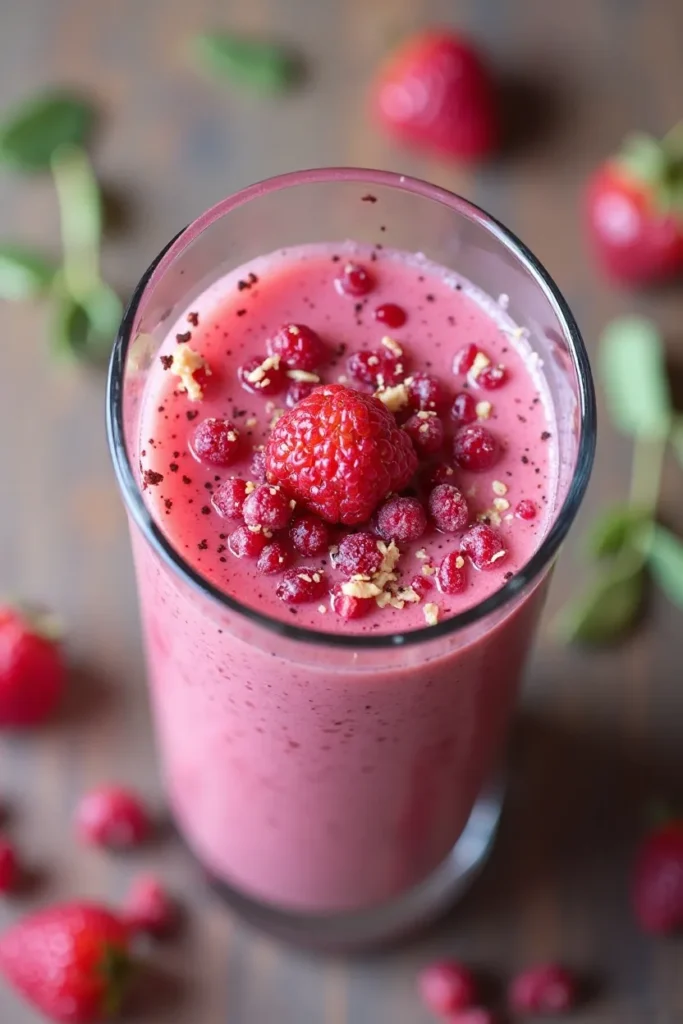
Smoothies get a lot of hype, but protein smoothies? They’re basically the “I want something healthy, but I also don’t want to chew anything” champion of the food world. One blender, a few ingredients, and suddenly you’ve got a drink that can actually keep you full for hours. Sounds too good to be true? Not really—if you build it right. The problem is that most people mess it up. They either dump random stuff in and call it “healthy,” or they go full gym-bro mode and end up with something that tastes like chalk regret. Let’s fix that.
What Actually Makes a Protein Smoothie Worth Drinking?
A good protein smoothie isn’t just about throwing protein powder into milk and hoping for the best. It’s about balance. You want protein for muscle repair and fullness, carbs for energy, and a little fat to keep things satisfying. Think of it like this: protein keeps you full, carbs give you fuel, and fats make it taste like something you’d actually enjoy finishing. If you skip balance, you get two outcomes:
- A watery drink that leaves you hungry in 30 minutes
- Or a thick calorie bomb that tastes amazing but defeats the purpose
So yeah, structure matters more than hype.
Core Ingredients That Make or Break Your Smoothie
Every protein smoothie has four building blocks: protein, liquid, fruit (or carbs), and fat. Once you understand these, you can freestyle like a pro.
Protein Sources: Powder vs Real Food
Let’s talk protein first because, well, it’s literally in the name. You’ve got options:
- Whey protein: fast-digesting, great for post-workout
- Plant protein: pea, rice, hemp—perfect for vegan diets
- Greek yogurt: creamy, high-protein, slightly tangy
- Milk: underrated protein boost if you use dairy
- Nut butters: not pure protein, but they help
IMO, whey wins for convenience, but Greek yogurt deserves more respect. It makes smoothies thick like a milkshake without trying too hard.
Liquid Base Choices (Don’t Overthink It)
Your liquid controls texture. Too much? You get juice vibes. Too little? You’re eating smoothie soup. Good options include:
- Milk (dairy or plant-based)
- Almond milk for lower calories
- Oat milk for creaminess
- Coconut water for a lighter feel
- Even plain water (if you’re not picky)
Pro tip: start small with liquid. You can always add more, but you can’t un-blend soup.
The Basic Protein Smoothie Recipe You Can Actually Rely On
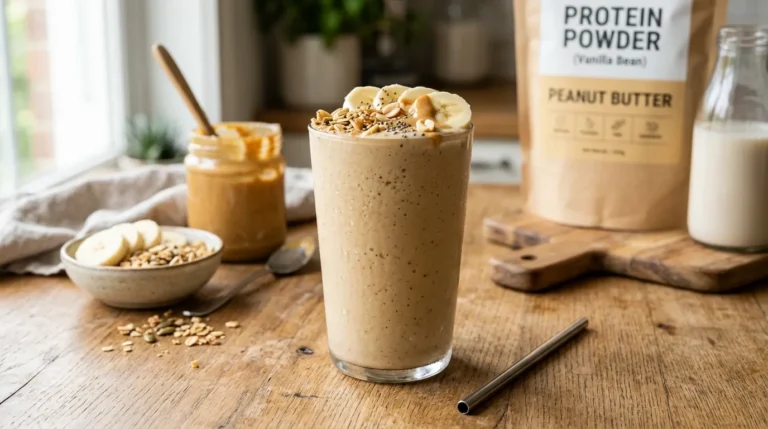
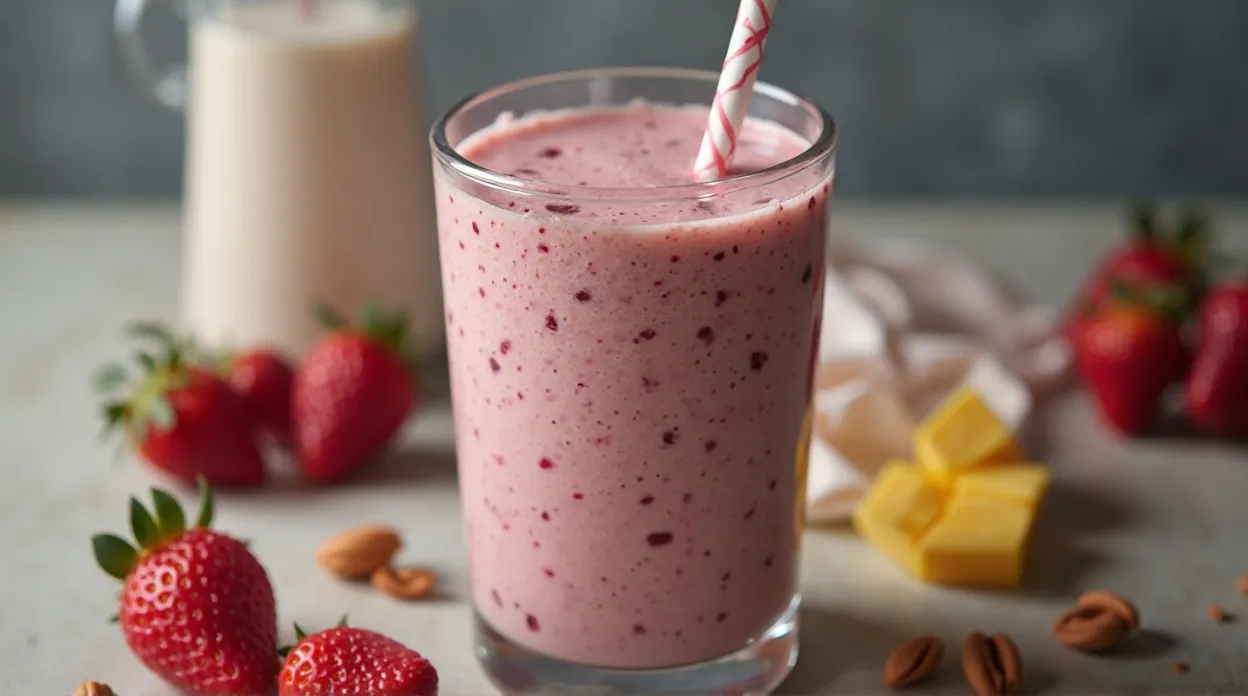
Let’s get practical. This is your “default” protein smoothie—the one you can make half-asleep and still get right. Ingredients:
- 1 scoop protein powder (vanilla or chocolate works best)
- 1 banana (fresh or frozen)
- 1 cup milk of choice
- 1 tablespoon peanut butter
- 1/2 cup oats (optional but powerful)
- A handful of ice cubes
Instructions:
- Add liquid first (this helps blending)
- Throw in banana, protein powder, and oats
- Add peanut butter and ice
- Blend for 30–60 seconds until smooth
- Taste it—adjust thickness if needed
That’s it. No drama. No chef certification required.
Protein Smoothie Variations for Different Goals
Not all smoothies serve the same purpose. Some are for gains, some for fat loss, and some just exist because you want something tasty.
1. Muscle Gain Smoothie
If you’re trying to bulk, calories are your friend. Add:
- Extra oats
- Full-fat milk
- More peanut butter or almond butter
- Honey or dates for extra carbs
This version doesn’t play around. It’s heavy, rich, and ideal after workouts.
2. Weight Loss Smoothie
Here’s where people mess up—they think “low calorie” means “no taste.” Wrong. Use:
- Unsweetened almond milk
- Half banana instead of full
- Spinach (you won’t taste it, FYI)
- Protein powder for satiety
This keeps you full without blowing your calorie budget.
3. Vegan Protein Smoothie
No dairy? No problem. Try:
- Pea or rice protein
- Almond or oat milk
- Frozen berries
- Chia seeds for texture and omega-3s
It won’t taste “different”—it just tastes good if you do it right.
4. High-Energy Breakfast Smoothie
Morning rush? This one saves lives. Add:
- Banana
- Oats
- Peanut butter
- Coffee or espresso shot (yes, seriously)
You’ll basically drink breakfast and caffeine at the same time. Efficiency level: maxed out.
Common Protein Smoothie Mistakes (Yes, You Might Be Guilty)
Let’s be honest—smoothies look easy, but people still mess them up. Here are the usual suspects:
- Too much fruit: turns into a sugar bomb
- Not enough protein: defeats the whole purpose
- Skipping fats entirely: leaves you hungry fast
- Overloading ingredients: more is not always better
- Wrong texture balance: either too thick or too watery
Also, blending order matters more than people admit. Liquids first, always. Trust the blender hierarchy.
Pro Tips to Upgrade Your Protein Smoothie Game
Now we get into the fun stuff—the little upgrades that make your smoothie taste like something you’d actually pay for.
- Freeze your bananas: makes everything creamier instantly
- Add cinnamon or cocoa powder: flavor boost without calories
- Use ice sparingly: too much dilutes taste
- Blend longer than you think: texture improves massively
- Let it sit for 2 minutes: flavors settle and improve
One underrated trick? A pinch of salt. Sounds weird, but it enhances sweetness and balances flavors like magic.
FAQ’s
Can I drink protein smoothies every day?
Yes, you can. Just make sure you rotate ingredients so you don’t rely on the same nutrients daily. Variety keeps things balanced and prevents boredom.
When is the best time to drink a protein smoothie?
Post-workout works great, but breakfast is also a solid choice. Honestly, timing matters less than your overall daily protein intake.
Do I need protein powder to make a protein smoothie?
Nope. You can use Greek yogurt, milk, nut butters, or even tofu. Protein powder just makes it easier and faster.
Why does my smoothie taste bland?
You probably skipped seasoning or balance. Add fruit, a pinch of salt, cinnamon, or a natural sweetener like honey to fix it.
Can protein smoothies help with weight loss?
Yes, if you build them right. High protein keeps you full, which helps reduce snacking. Just don’t turn it into a sugar-heavy drink.
How do I make my smoothie thicker?
Use frozen fruit, reduce liquid, and add oats or Greek yogurt. Blending longer also helps improve thickness naturally.
Related Recipes
- Tropical Mango Pineapple Smoothie with Coconut Water Recipe
- Berry Antioxidant Smoothie with Blueberries, Strawberries, and Yogurt
- Berry Smoothie Packed with Antioxidant Recipe
Final Thoughts
A protein smoothie isn’t rocket science, but it does reward a little strategy. Once you understand how protein, fats, and carbs work together, you can build one that fits your exact goal—whether that’s muscle gain, weight loss, or just surviving a busy morning. The best part? You don’t need perfection. You just need a blender and a few reliable ingredients. After that, it becomes less of a recipe and more of a habit you’ll actually enjoy sticking to
Printable Recipe Card
Want just the essential recipe details without scrolling through the article? Get our printable recipe card with just the ingredients and instructions.