Tropical Mango Pineapple Smoothie with Coconut Water Recipe
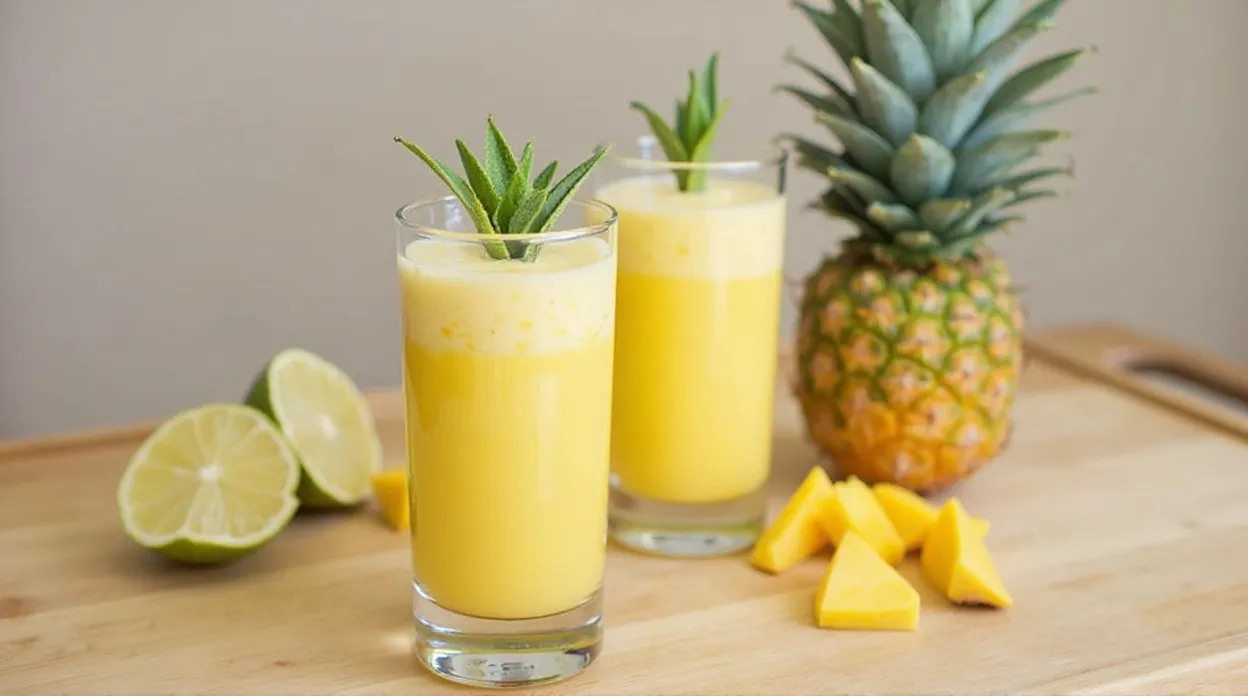
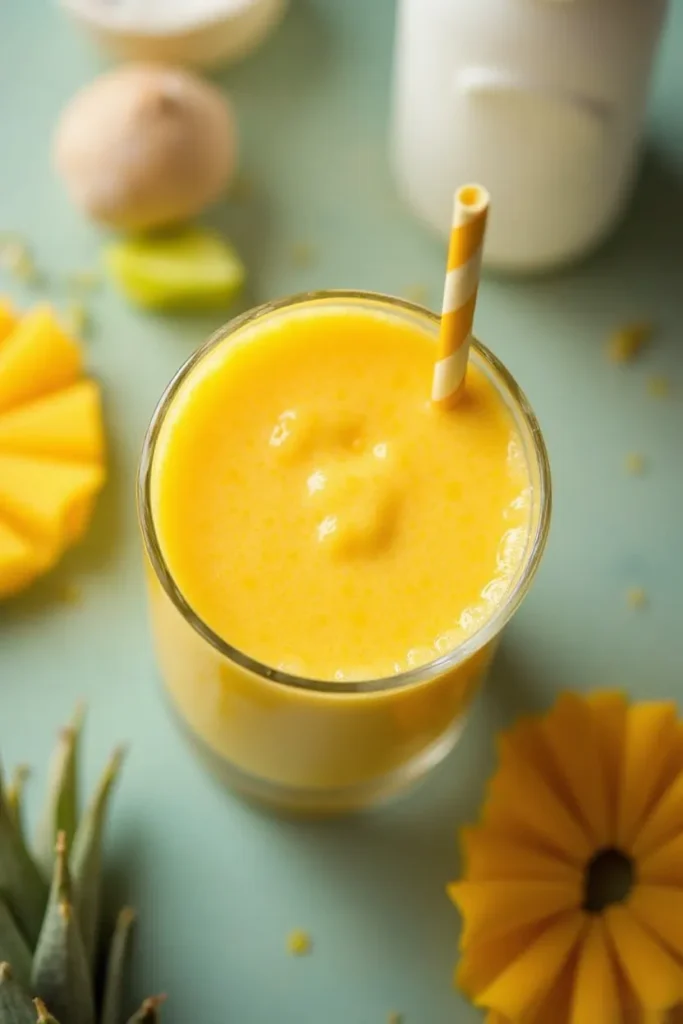
Tropical mango pineapple smoothies don’t really need a sales pitch. One sip and you’re basically mentally lying on a beach, even if you’re just standing in your kitchen wearing mismatched socks. The combo of juicy mango, tangy pineapple, and refreshing coconut water hits that sweet spot between “treat yourself” and “this is actually good for me.” And honestly, that’s the kind of balance we all pretend to aim for, right? This recipe keeps things simple, bright, and ridiculously refreshing. No fancy barista skills required, no obscure ingredients you’ll use once and forget in the back of the fridge. Just real fruit, clean hydration, and a blender doing most of the work.
Why This Tropical Smoothie Just Works So Well
This isn’t just another fruit smoothie—it’s a hydration upgrade with personality. Mango brings creamy sweetness, pineapple adds a sharp tropical kick, and coconut water ties everything together like it actually knows what it’s doing (FYI, it does). What makes this combo stand out is the balance. You get natural sugar from fruit, electrolytes from coconut water, and a texture that lands somewhere between juice and soft-serve ice cream. Not bad for something you can make in under five minutes. Key idea: This smoothie doesn’t feel heavy, but it still feels satisfying. That’s rare. Most “healthy drinks” either taste like sadness or dessert in disguise. This one sits comfortably in the middle, and that’s why people keep coming back to it.
Ingredients That Make the Magic Happen
You only need a handful of ingredients, but each one plays a specific role. Skip one and the whole vibe shifts.
- Mango: Creamy, sweet, and thickens the smoothie naturally.
- Pineapple: Bright, tangy, and slightly acidic for balance.
- Coconut water: A hydration base with light sweetness and electrolytes.
- Ice or frozen fruit: For thickness and chill factor.
- Optional sweetener: Honey or maple syrup if your fruit isn’t fully ripe.
The Mango Factor
Mango basically carries this smoothie. If you use ripe mango, you don’t even need extra sweetener. It brings that silky texture that makes the drink feel indulgent without adding cream or yogurt. If you want next-level results, freeze your mango chunks beforehand. That’s how you get that thick, almost sorbet-like consistency.
Pineapple’s Role in the Drama
Pineapple keeps things interesting. Without it, the smoothie becomes a mango milkshake impersonator. With it, you get brightness and a slight tang that wakes your taste buds up. Pro tip: Fresh pineapple gives the best flavor, but frozen pineapple works perfectly for convenience.
Coconut Water as the Underrated Hero
People sleep on coconut water, but it does serious work here. It hydrates, smooths the blend, and keeps things light instead of heavy or creamy. Also, it saves you from needing milk or yogurt. So yes, it’s doing a lot of heavy lifting for something that tastes like a vacation.
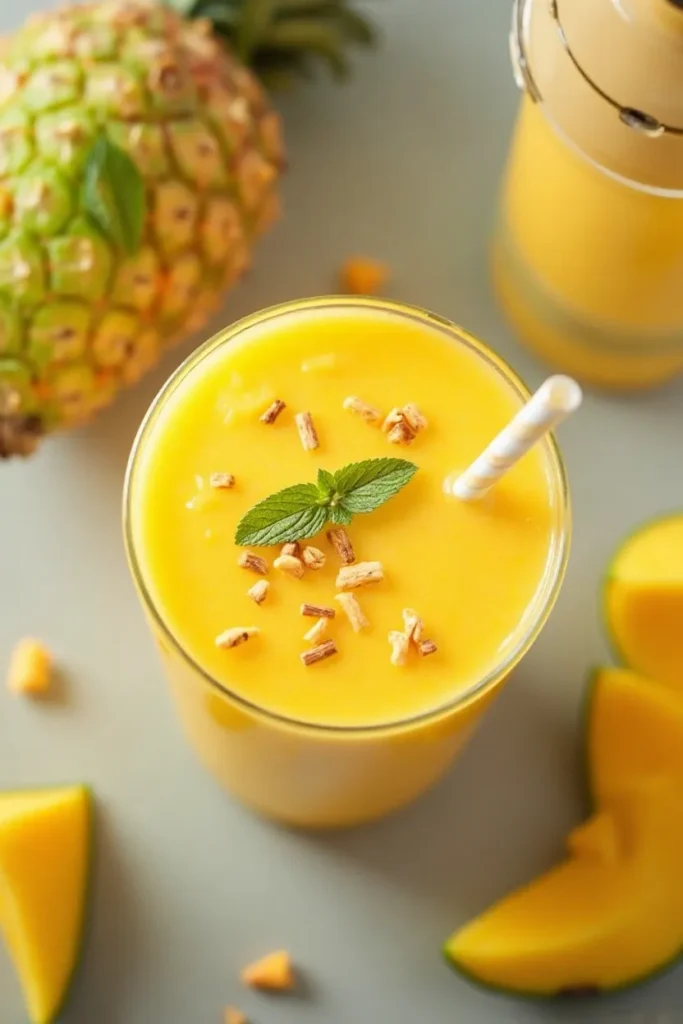
How to Make a Mango Pineapple Coconut Smoothie
This is where things get dangerously easy. You don’t need culinary skills—just a blender and a basic sense of proportions.
- Add 1 cup of mango chunks to the blender.
- Add 1 cup pineapple chunks.
- Pour in 1 to 1.5 cups of coconut water.
- Add a handful of ice (or use frozen fruit instead).
- Blend until smooth and creamy.
- Taste and adjust sweetness if needed.
- Pour into a glass and immediately feel like you made good life choices.
That’s it. No complicated steps, no weird techniques, no “resting time.” Just blend and go. Important: Blend long enough to fully break down fibrous pineapple bits. Nobody wants surprise chunks ruining the vibe.
Tips for Getting the Perfect Smoothie Texture
Texture makes or breaks a smoothie. You can have the best ingredients in the world, but if it comes out watery or chunky, you’ll feel personally betrayed. Here’s how to avoid that emotional damage.
- Use frozen fruit instead of too much ice to avoid dilution.
- Start with less coconut water and add more as needed.
- Blend in stages if your blender struggles.
- Don’t overload the blender—give it space to move.
Blender Tricks That Actually Matter
If your blender has speed settings, start slow and ramp up. This helps break down frozen fruit evenly. Also, pulse a few times before full blending. And FYI, if your smoothie stops swirling and just sits there like a lazy soup, add a splash of coconut water and restart. Problem solved.
Fun Variations You Should Definitely Try
Once you master the base recipe, things get a little dangerous—in a good way. You can tweak this smoothie endlessly without ruining it.
Tropical Protein Boost
Add a scoop of vanilla or unflavored protein powder. It turns this into a post-workout recovery drink that still tastes like a beach vacation. You can also add Greek yogurt if you want a thicker, creamier texture.
Green Tropical Smoothie Twist
Toss in a handful of spinach. You won’t taste it, but you’ll feel very responsible about your life choices. The color shifts slightly, but the tropical flavor stays dominant.
Creamy Coconut Version
Swap half the coconut water with coconut milk. This creates a richer, dessert-style smoothie that feels closer to a tropical milkshake. Warning: This version disappears fast. You may want to make extra.
Citrus Kick Upgrade
Add a splash of orange juice or a squeeze of lime. This sharpens the flavor and adds extra brightness. It’s especially good if your fruit tastes a little too sweet or flat.
Nutrition and Why Your Body Doesn’t Hate This
This smoothie actually brings more than just good taste. It packs hydration, vitamins, and natural energy without processed junk. Mango provides vitamin A and antioxidants. Pineapple adds vitamin C and digestive enzymes like bromelain. Coconut water contributes potassium and electrolytes. Translation: it supports hydration, digestion, and energy without making you feel sluggish afterward. It’s not a miracle drink (let’s stay grounded here), but it definitely beats sugary sodas or heavy store-bought smoothies loaded with additives.
FAQ’s
Can I use frozen mango and pineapple instead of fresh fruit?
Yes, and honestly, you probably should. Frozen fruit makes the smoothie thicker, colder, and more consistent. It also saves prep time, which is always a win.
What can I use instead of coconut water?
You can use regular water, orange juice, or almond milk. Coconut water gives the best tropical vibe, but substitutes still work fine depending on your taste.
How do I make the smoothie thicker?
Use less liquid, add more frozen fruit, or throw in a few ice cubes. You can also add banana or chia seeds for extra body.
Can I make this smoothie ahead of time?
You can, but it tastes best fresh. If you store it, keep it in a sealed jar in the fridge for up to 24 hours and shake it before drinking.
Is this smoothie good for weight management?
It can be, depending on your portions. It’s naturally low in processed ingredients and high in fiber, but fruit still contains natural sugars. Balance matters more than hype.
Can I turn this into a smoothie bowl?
Absolutely. Just reduce the coconut water and blend it more thoroughly. Then top it with granola, coconut flakes, or sliced fruit.
Related Recipes
- Cherry Vanilla Yogurt Smoothie Recipe
- Banana Peanut Butter Yogurt Smoothie Recipe
- Vegan Chocolate Banana Breakfast Smoothie Recipe
Conclusion
A mango pineapple smoothie with coconut water doesn’t try to impress you with complexity—it wins by being simple, refreshing, and consistently good. It takes basic ingredients and turns them into something that feels a little like a reset button for your day. You can keep it classic or tweak it endlessly, but the core idea stays the same: real fruit, clean hydration, and zero unnecessary effort. And honestly, that’s the kind of recipe you end up memorizing without even trying.