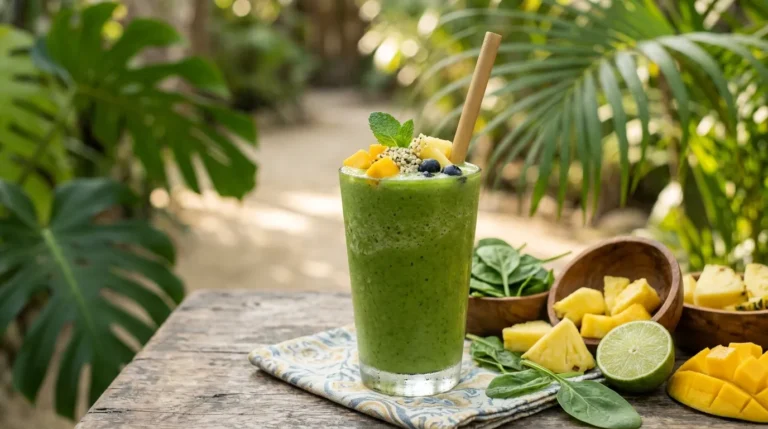
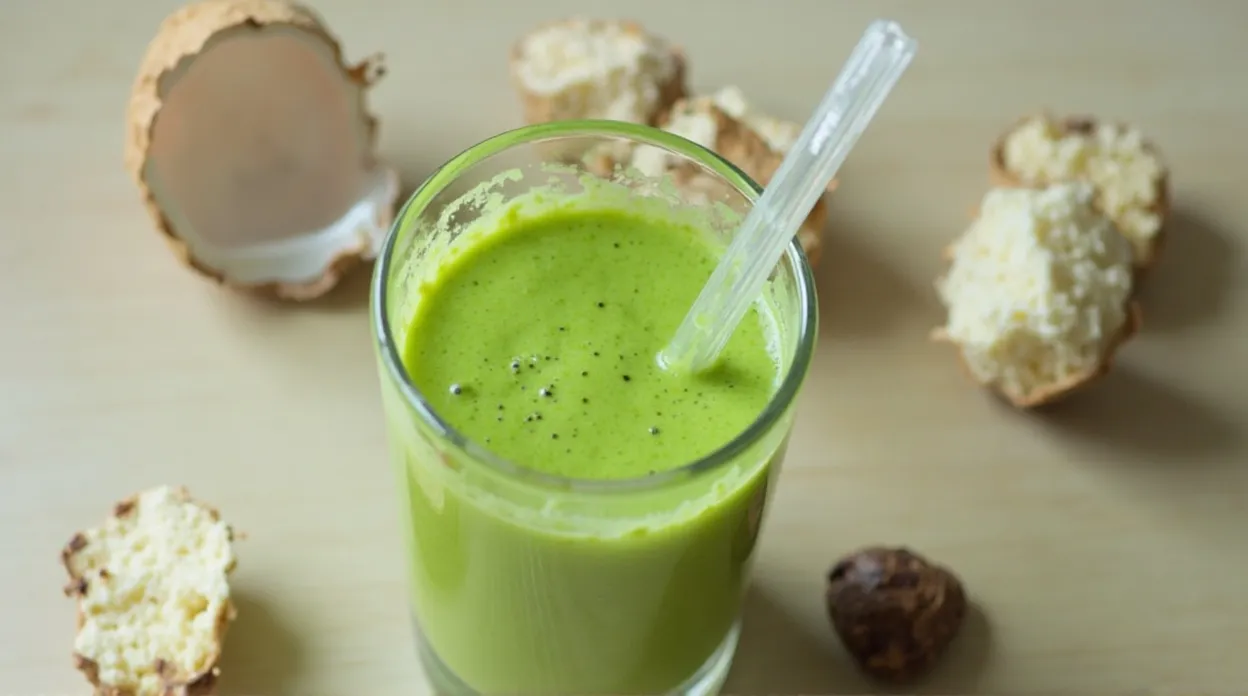
Matcha Coconut Green Smoothie Recipe
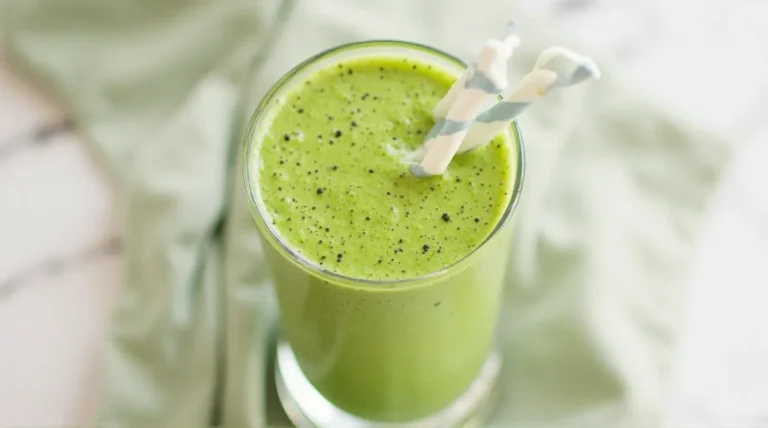
It hits you before you even finish the first sip—this creamy, slightly earthy, tropical-green vibe that somehow feels like a spa day and a productivity hack rolled into one glass. The matcha coconut green smoothie isn’t just another trendy drink; it’s the kind of thing you start making “just once” and then suddenly it becomes a personality trait. Why? Because it tastes good, feels good, and makes you feel like you’ve got your life together (even if your laundry says otherwise). And yes, it looks as good as it sounds. That soft green swirl? Straight-up aesthetic gold.
What Makes a Matcha Coconut Green Smoothie So Special?
Let’s get one thing out of the way: this isn’t your average fruit smoothie. The matcha coconut green smoothie brings together two heavy hitters—earthy matcha and creamy coconut—and somehow they don’t fight. They flirt. They blend. They become something weirdly addictive. Matcha gives you that calm, focused energy without the jittery chaos coffee sometimes brings. Coconut milk steps in with richness and a tropical twist that smooths everything out. Together, they create a drink that feels both refreshing and grounding. FYI: this combo hits differently when you want energy without the crash.
The flavor vibe in plain words
Imagine grassy, slightly bitter matcha getting softened by silky coconut creaminess. Then picture a subtle natural sweetness tying everything together. That’s the vibe. It’s not a sugar bomb—it’s more like a slow, steady energy release in smoothie form.
Why People Are Obsessed With This Green Smoothie
Let’s be real: people don’t just drink this because it tastes nice. There’s a whole lifestyle angle here. Matcha coconut smoothies sit right in that sweet spot between “healthy” and “actually enjoyable,” which is rarer than it should be. It feels indulgent, but it still checks all the wellness boxes. Here’s why it keeps showing up in kitchens everywhere:
- Clean energy boost without coffee crashes
- Rich in antioxidants from matcha
- Healthy fats from coconut milk
- Supports focus and calm at the same time
- It actually tastes good (huge win, IMO)
And let’s not ignore the obvious: it looks amazing on social media. That matters more than people admit.
Matcha vs coffee energy
Matcha contains caffeine, but it also contains L-theanine, an amino acid that slows absorption and smooths out the energy release. Translation? You feel awake, but not like you just sprinted emotionally through a panic attack. Coffee says “GO.” Matcha says “Let’s go… calmly.” Big difference.
Ingredients That Make the Magic Happen
You don’t need a fancy pantry or a wellness influencer budget to make this smoothie. You just need a few solid ingredients that work together like they were meant to be best friends.
- Matcha powder – ceremonial or culinary grade works
- Coconut milk – full-fat for creaminess or light for a thinner texture
- Banana – natural sweetness and thickness
- Spinach – sneaky greens that don’t overpower flavor
- Honey or maple syrup – optional sweetness boost
- Ice cubes – for that chilled, refreshing finish
You can also throw in extras like chia seeds or protein powder if you’re feeling ambitious.
Choosing the right matcha
Not all matcha is created equal. Some taste smooth and slightly sweet, while others taste like you licked a lawn (not ideal). If you’re new, start with a mid-grade matcha that’s bright green in color. Dull green usually means dull flavor. Bright green = fresher, smoother taste.
How to Make a Matcha Coconut Green Smoothie (Without Messing It Up)
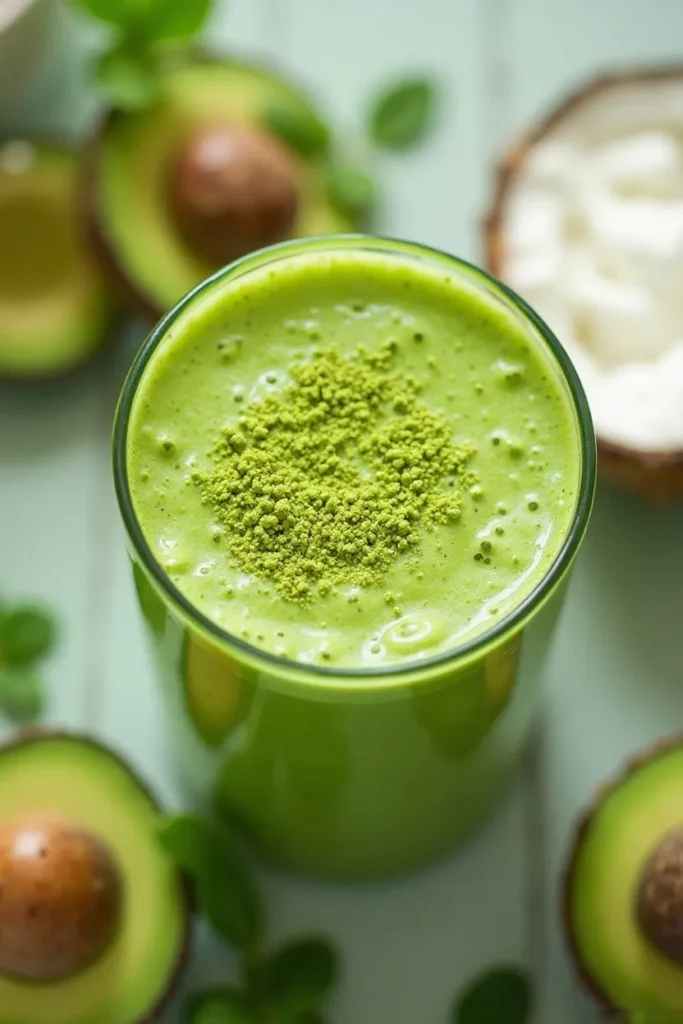
This part sounds simple—and it is—but there are a few tricks that separate a “meh” smoothie from a “wait, why is this so good?” smoothie. Here’s the basic method:
- Add coconut milk to your blender first
- Sift in matcha powder (don’t skip this unless you like clumps)
- Add banana, spinach, and sweetener
- Throw in ice cubes
- Blend until smooth and creamy
That’s it. Seriously. No complicated steps. No culinary gymnastics.
Pro blending tips you didn’t ask for but need anyway
- Blend matcha with liquid first to avoid clumps
- Use frozen banana for thicker texture
- Don’t overblend spinach or it gets weirdly bitter
- Taste before adding extra sweetener—matcha already has character
If your smoothie turns out too thin, add more banana or a few ice cubes. Too thick? Splash in coconut milk. Easy fixes, no drama.
Variations to Keep Things Interesting
Let’s be honest: even the best smoothie can get boring if you drink it every single day. The good news? This recipe is ridiculously flexible.
Tropical upgrade
Add pineapple or mango for a brighter, fruitier twist. This version tastes like vacation in a glass. No passport required.
Protein-packed version
Throw in a scoop of vanilla protein powder or Greek yogurt. Suddenly your smoothie becomes post-workout fuel instead of just a pretty drink.
Low-sugar green boost
Skip the banana and use avocado instead. It sounds weird, but it creates an ultra-creamy texture with way less sugar. Bonus: avocado makes it extra filling, FYI.
Common Mistakes People Make (Yes, You Might Be One of Them)
Nobody’s judging… okay, maybe a little. But these mistakes show up a lot:
- Using too much matcha (it turns bitter fast)
- Skipping the sifting step
- Overloading sweeteners and killing the balance
- Using watery coconut milk (sad texture experience)
The biggest issue? People treat it like a dessert milkshake instead of a balanced energy drink. That’s where things go off track.
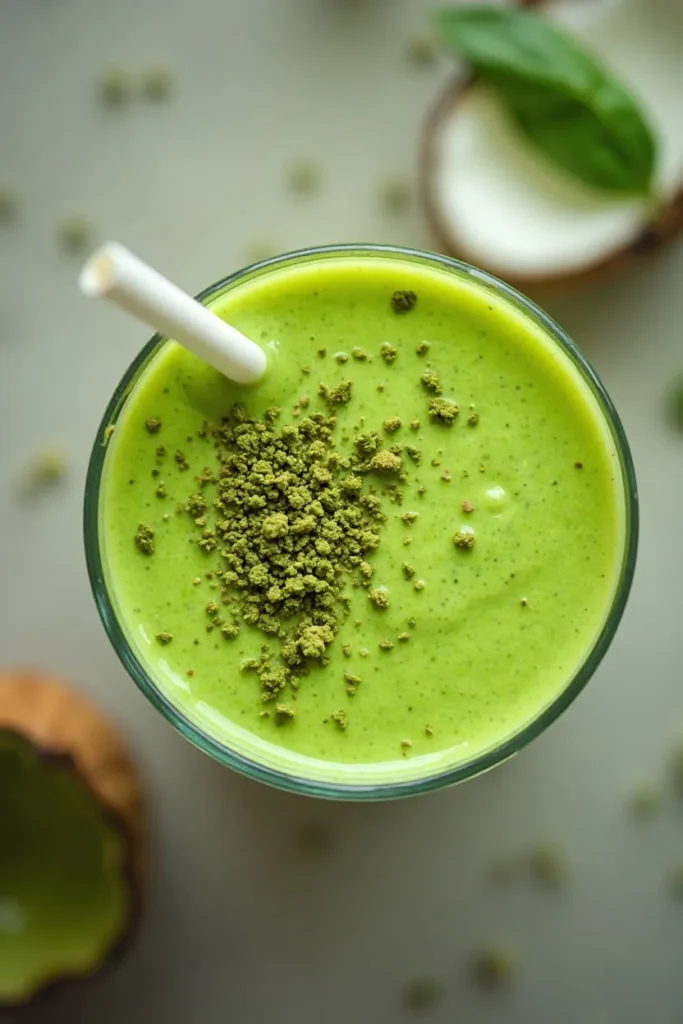
Fixing a bitter smoothie
If your smoothie tastes too earthy or bitter, don’t panic. Add:
- More banana
- A splash of vanilla extract
- A bit more coconut milk
Balance is everything here. Think harmony, not chaos.
FAQ’s Everything You’re Probably Wondering
Does a matcha coconut smoothie actually give energy?
Yes, it does. Matcha contains caffeine, but it releases slowly thanks to L-theanine. That means steady energy instead of spikes and crashes. You stay alert without feeling wired.
Can I drink this every day?
Absolutely. Just watch your matcha intake—1 to 2 teaspoons per day usually works fine for most people. If you feel sensitive to caffeine, adjust accordingly.
Is coconut milk necessary?
Not strictly, but it plays a huge role in texture and flavor. You can swap it with almond milk or oat milk, but you’ll lose some creaminess.
Why does my smoothie taste grainy?
That usually happens when you don’t dissolve the matcha properly. Always sift and blend it with liquid first before adding other ingredients.
Can I make it ahead of time?
You can, but it tastes best fresh. If you must prep it, store it in an airtight jar and shake well before drinking. Separation will happen—it’s normal.
Related Recipes
- Pear Ginger Green Smoothie Recipe
- Zucchini Vanilla Green Smoothie Recipe
- Green Berry Blast Smoothie Recipe
Conclusion: A Smoothie That Actually Earns the Hype
The matcha coconut green smoothie isn’t just another health trend trying to survive on aesthetics alone. It actually delivers—taste, energy, and that weird satisfaction of doing something good for your body without suffering through it. It’s simple, flexible, and surprisingly hard to mess up once you get the basics right. And honestly? It might just replace your morning coffee without you even noticing. So yeah, next time you’re standing in your kitchen wondering what to drink that won’t make you regret your life choices later, this one’s a solid bet