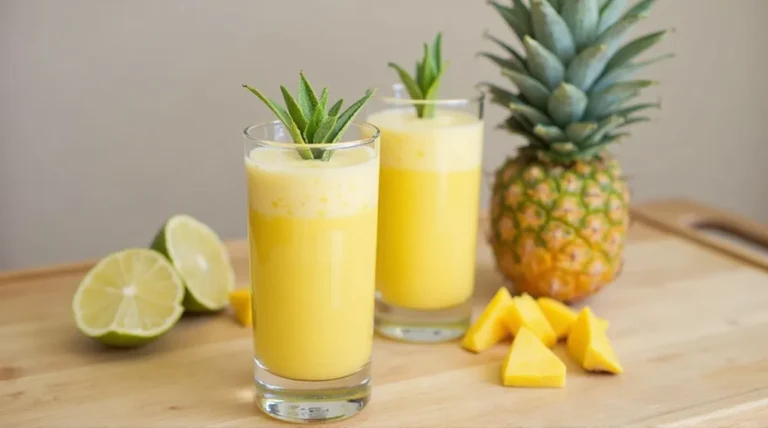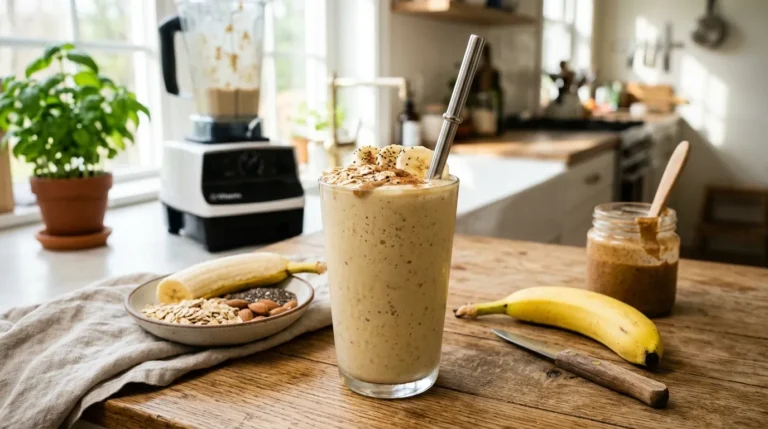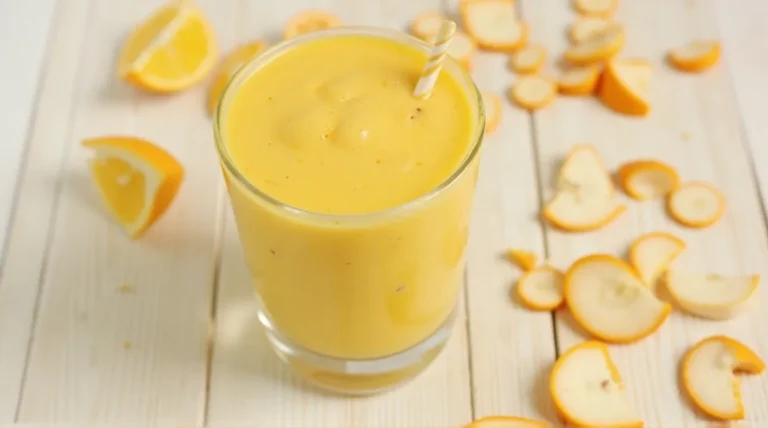
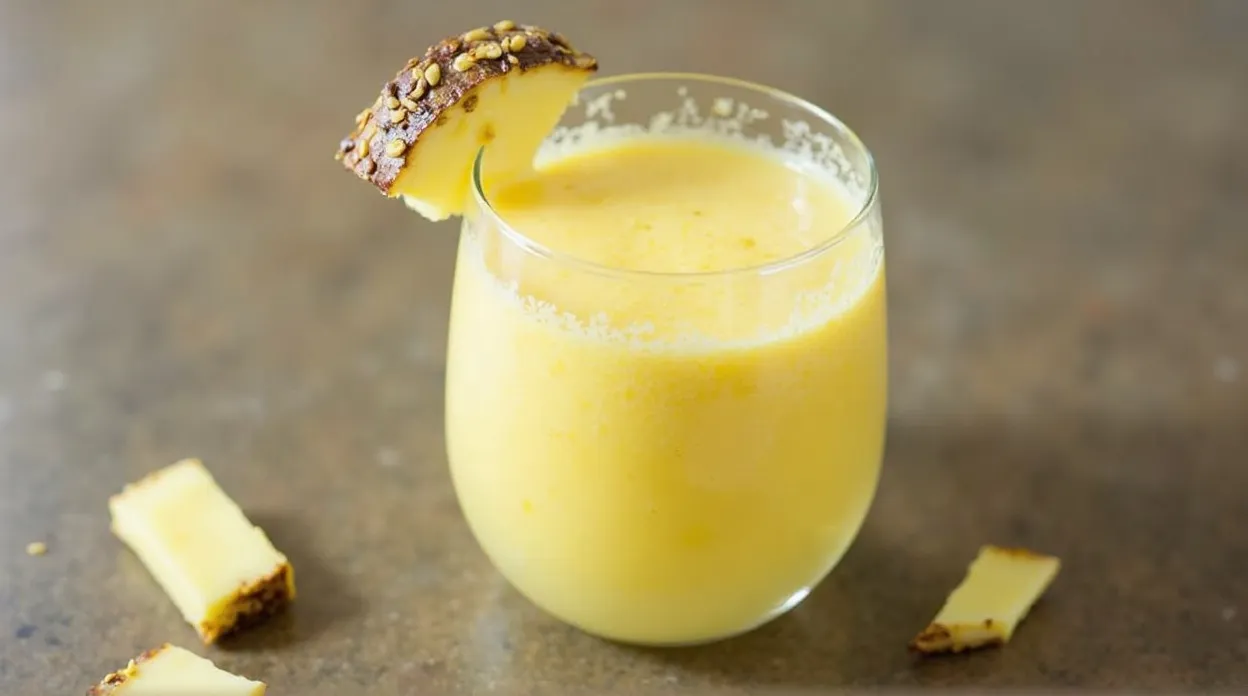
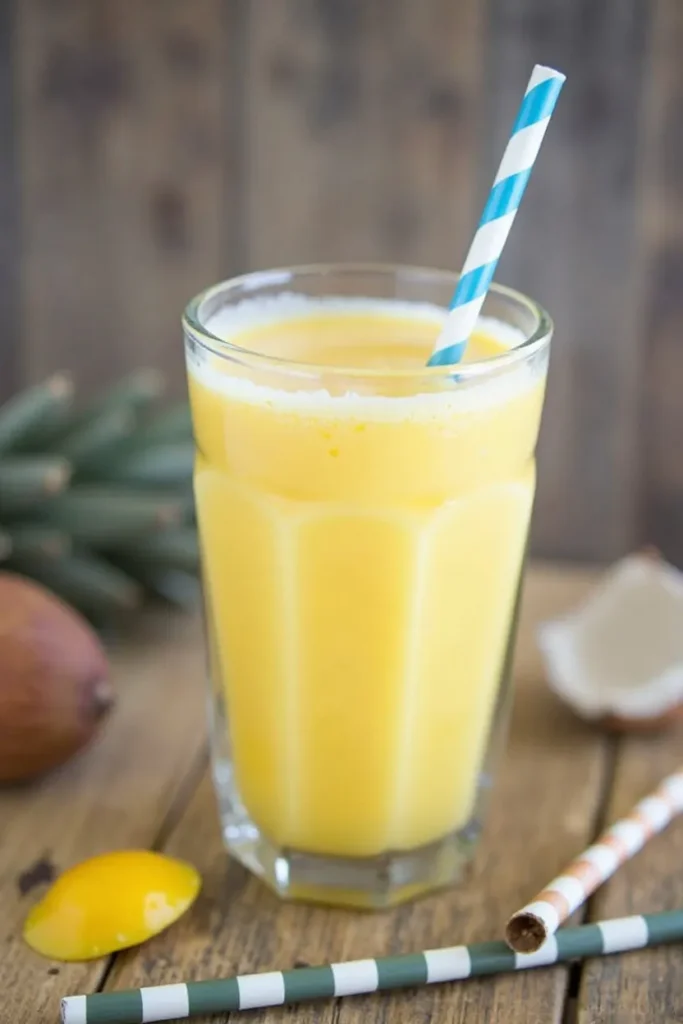
Mango Pineapple Coconut Smoothie Recipe
One sip and you’re basically on a tropical vacation—no passport required. This mango pineapple coconut smoothie hits that sweet spot between refreshing and indulgent without feeling heavy. It’s bright, creamy, and just the right amount of sweet. If your blender isn’t already out, you might want to fix that.
Why This Smoothie Just Works
Some flavor combos feel forced. This one? Effortless. Mango, pineapple, and coconut play ridiculously well together, like they were always meant to be in the same glass. Mango brings the creamy sweetness. Pineapple adds a tangy kick. Coconut smooths everything out with a mellow, slightly nutty finish. The result feels balanced, not overly sugary or acidic. Translation: it tastes like dessert, but you can absolutely drink it for breakfast and feel good about it.
The Flavor Breakdown (AKA Why Your Taste Buds Are Happy)
Let’s talk about what each ingredient actually brings to the party.
Mango: The Creamy Superstar
Mango gives the smoothie its rich, almost velvety texture. It also adds natural sweetness, so you usually don’t need extra sugar. If you use frozen mango, you also get that thick, milkshake-like consistency without ice. Honestly, frozen fruit is doing the most here.
Pineapple: The Zing Factor
Pineapple cuts through the sweetness with a bright, tangy note. Without it, the smoothie would feel flat and a bit too dessert-like. It also adds a refreshing vibe that makes this drink perfect for hot days—or when you’re pretending it’s summer.
Coconut: The Smooth Operator
Coconut milk (or coconut water, depending on your mood) ties everything together. It adds creaminess without dairy and brings that tropical feel full circle. Pro tip: Use full-fat coconut milk if you want a richer smoothie. Use coconut water if you want something lighter and more hydrating.
How to Make the Perfect Blend
Good news: you don’t need chef-level skills for this. If you can press a blender button, you’re qualified. Here’s a simple, go-to formula:
- 1 cup frozen mango chunks
- 1/2 cup pineapple chunks (fresh or frozen)
- 3/4 cup coconut milk or coconut water
- 1/2 banana (optional, for extra creaminess)
- Ice (optional, if using fresh fruit)
Throw everything into your blender and blend until smooth. That’s it. No drama.
Texture Tweaks (Because Everyone Has Preferences)
Not all smoothies should feel the same. Adjust based on your vibe:
- Too thick? Add more coconut milk or water.
- Too thin? Add more frozen mango or a few ice cubes.
- Want it extra creamy? Toss in Greek yogurt or a splash of almond milk.
FYI, smoothie texture is a personal thing. Own it.
Ways to Level It Up
Once you’ve nailed the basic recipe, it’s time to experiment a little. Or a lot. No judgment.
Add Some Protein
Want to turn this into a meal instead of a snack? Easy fix.
- Add a scoop of vanilla or unflavored protein powder
- Blend in Greek yogurt
- Toss in a spoonful of nut butter
Now you’ve got a smoothie that actually keeps you full.
Boost the Nutrition
This smoothie already packs vitamins, but you can sneak in more without ruining the taste.
- Chia seeds or flaxseeds for fiber
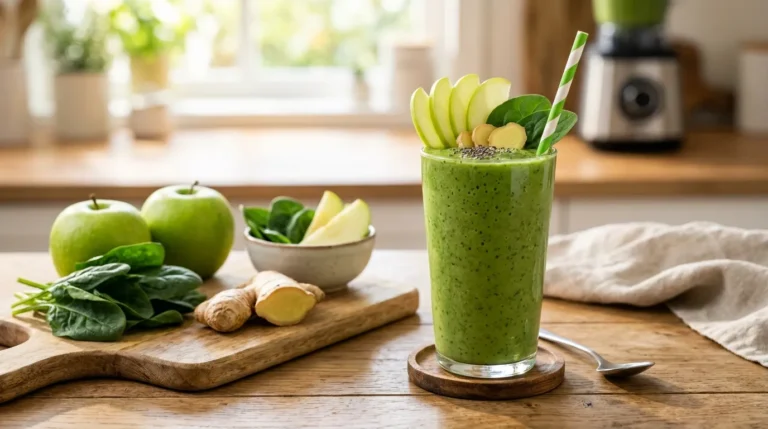
- Spinach (you won’t taste it, promise)
- Turmeric or ginger for a subtle kick
IMO, spinach is the easiest upgrade. It blends right in like it was never there.
Make It Dessert-Worthy
Feeling a little indulgent? Go all in.
- Add shredded coconut on top
- Drizzle honey or maple syrup
- Blend in a scoop of vanilla ice cream
Now you’ve crossed into milkshake territory—and honestly, no one’s complaining.

When to Drink It (Spoiler: Anytime)
This smoothie doesn’t belong to just one part of your day. It adapts. In the morning, it works as a quick breakfast. You get natural sugars, hydration, and a light energy boost without feeling sluggish. After a workout, it helps replenish your body. The fruit sugars restore energy, and any added protein helps recovery. And as an afternoon pick-me-up? Way better than reaching for another cup of coffee. You’ll feel refreshed instead of jittery.
Common Mistakes to Avoid
Let’s keep it real—smoothies can go wrong. But you don’t have to learn the hard way.
- Too much liquid: You’ll end up with juice, not a smoothie.
- Overloading sweet ingredients: Mango + banana + sweetened coconut milk can get cloying fast.
- Skipping frozen fruit: You lose that thick, satisfying texture.
- Not blending long enough: Nobody wants chunks unless it’s intentional.
A good smoothie should feel smooth (obviously), balanced, and easy to drink.
FAQ: Your Smoothie Questions Answered
Can I make this smoothie without coconut milk?
Absolutely. You can use almond milk, oat milk, or even regular milk. Coconut just gives it that tropical vibe, but the smoothie still works without it.
Is this smoothie good for weight loss?
It can be, depending on how you make it. Stick to natural ingredients, skip added sugars, and watch portion sizes. Adding protein helps keep you full longer.
Can I prepare it ahead of time?
You can, but it tastes best fresh. If you need to prep ahead, store it in the fridge for up to 24 hours and give it a good shake before drinking.
What if I don’t have a high-powered blender?
No problem. Just cut your fruit into smaller pieces and blend a bit longer. You might need to add extra liquid to help things move along.
Can I turn this into a smoothie bowl?
Yes, and you should. Use less liquid to make it thicker, then top with granola, fruit, and coconut flakes. Suddenly you’re eating your smoothie with a spoon like a pro.
Related Recipes
- Green Detox Smoothie with Chia Seeds Recipe
- Coffee Smoothie Idea You Need to Try
- Watermelon Smoothie Idea That Are Super Healthy
Final Thoughts: Your Blender’s New Best Friend
The mango pineapple coconut smoothie isn’t just another trendy drink—it’s a reliable, ridiculously tasty option you’ll keep coming back to. It’s simple, flexible, and works whether you want something healthy, indulgent, or somewhere in between. Once you try it, you’ll start tweaking it, experimenting, and maybe even getting a little obsessed. And honestly? That’s exactly how a good smoothie should be.