High-Protein Smoothie Recipe
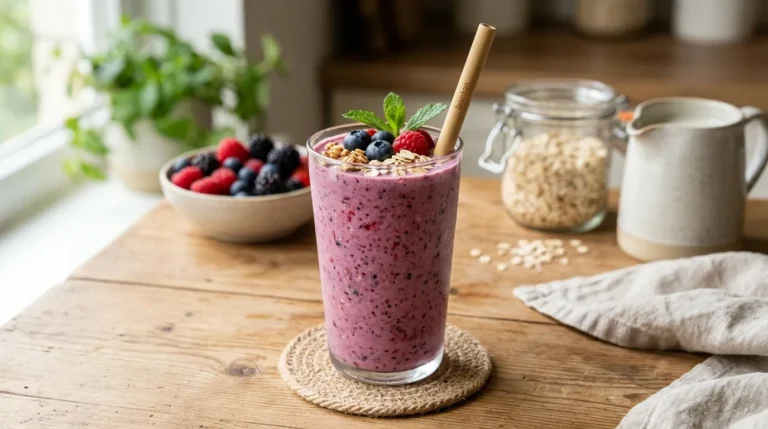
There’s a weird myth floating around that you need protein powder to make a high-protein smoothie. Like, if you’re not scooping neon-flavored dust into your blender, you’re doing it wrong. Not even close. You can build a seriously powerful, muscle-friendly smoothie using real, everyday foods—no fancy supplements required. And honestly? Sometimes it tastes better, keeps you fuller longer, and doesn’t feel like you just drank dessert disguised as “nutrition.” So if you’ve been side-eyeing protein powder or just ran out and refuse to panic-buy another tub, you’re in the right place. Let’s fix your smoothie game.
Why Skip Protein Powder? (Yes, There Are Good Reasons)
Protein powder isn’t evil, let’s get that out of the way. But it’s also not mandatory. You can hit your protein goals with whole foods without relying on a shaker bottle. Here’s why some people ditch it:
- Digestive comfort: Some powders mess with sensitive stomachs.
- Cost: Good-quality protein powder isn’t cheap.
- Whole food preference: Real food feels more satisfying for many people.
- Taste control: Not every “vanilla cookies and cream” vibe is actually edible.
Plus, IMO, whole foods make smoothies feel more like actual meals and less like science experiments.
The Real High-Protein Smoothie Formula (No Powder Needed)
Let’s break this down simply: a high-protein smoothie is just a mix of ingredients that naturally bring protein to the table. You don’t need anything complicated. You just need smart layering.
Step 1: Pick a Protein Base
Your base carries most of the protein load. Choose one or combine a few:
- Greek yogurt: Thick, creamy, and packed with protein
- Milk (dairy or soy): Soy milk is surprisingly high in protein
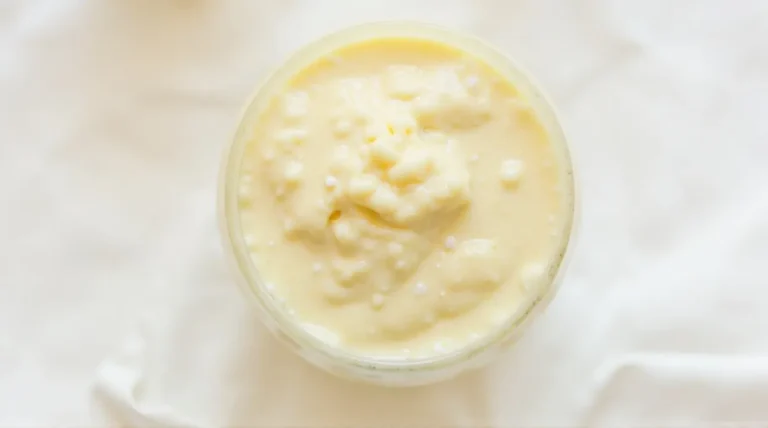
- Cottage cheese: Sounds weird, blends like a dream
- Kefir: Tangy, probiotic-rich, and protein-friendly
Step 2: Add Protein Boosters
This is where things get fun:
- Nut butters (peanut, almond, cashew)
- Chia seeds
- Hemp seeds
- Oats
- Silken tofu (yes, trust me)
Step 3: Flavor + Fiber Support
Because nobody wants a “healthy but sad” smoothie:
- Bananas for sweetness
- Berries for antioxidants
- Mango for tropical vibes
- Spinach (you won’t taste it, relax)
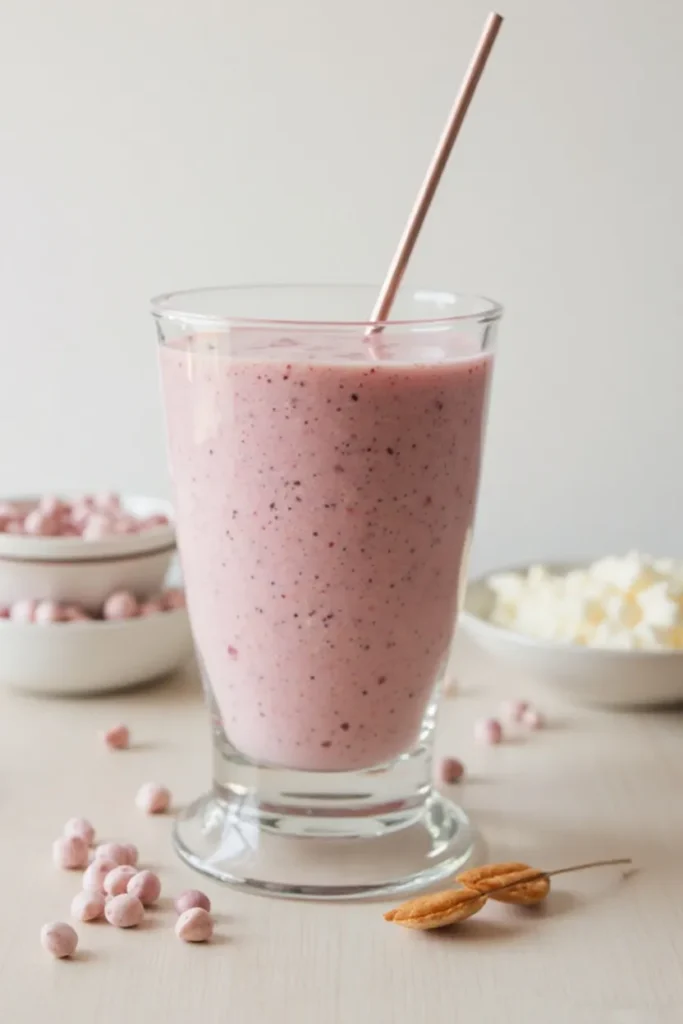
Best High-Protein Smoothie Combos That Actually Taste Good
Let’s move from theory to “I can actually drink this daily” territory.
1. Peanut Butter Banana Power Smoothie
This one tastes like a milkshake but behaves like a balanced meal. Blend:
- 1 banana
- 1 cup milk or soy milk
- 2 tbsp peanut butter
- ½ cup Greek yogurt
- Ice cubes
You get creamy texture, natural sweetness, and solid protein without any powder drama.
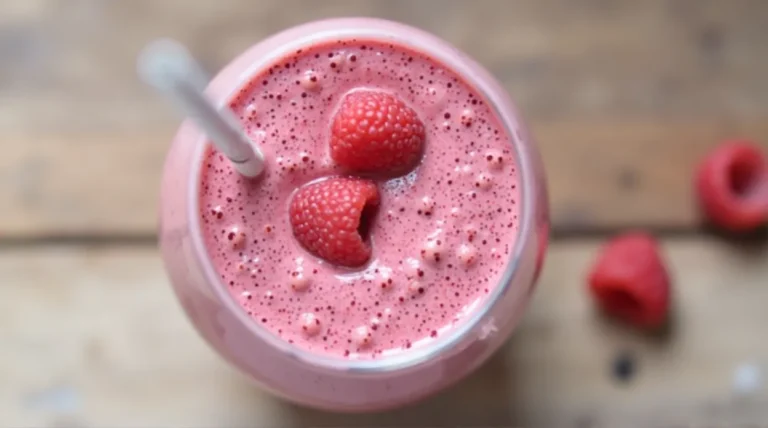
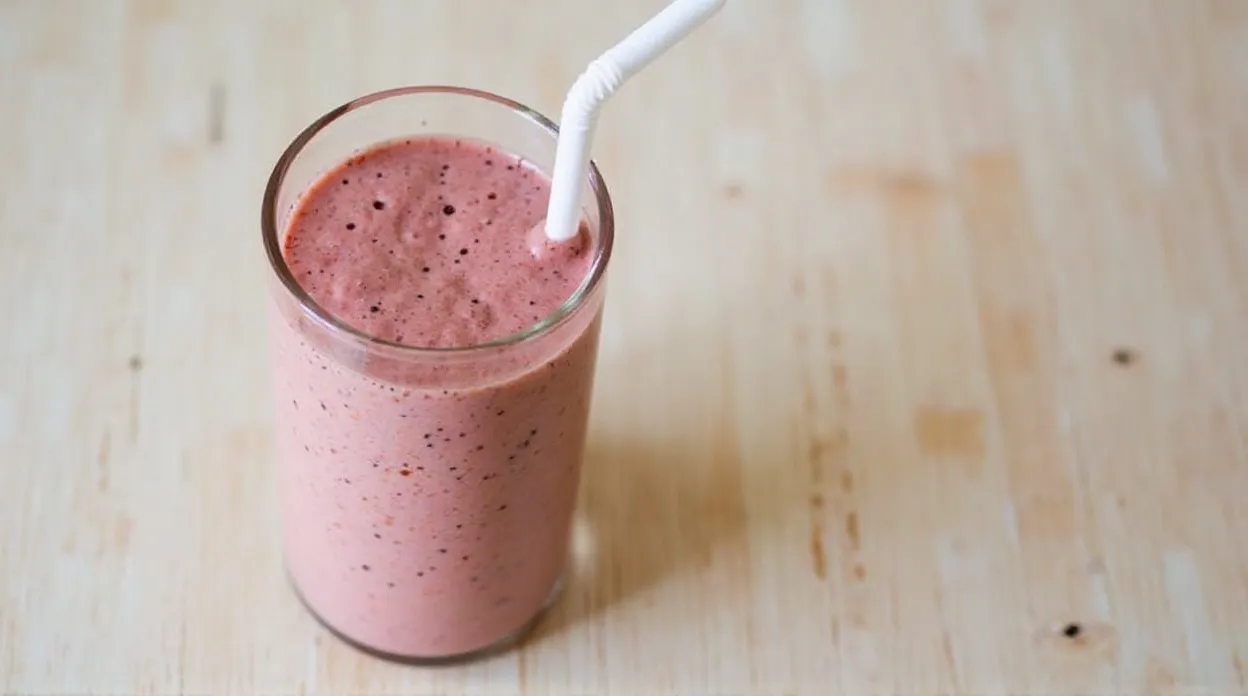
2. Berry Greek Yogurt Protein Blast
Perfect if you like tangy, fresh flavors. Blend:
- 1 cup mixed berries
- 1 cup Greek yogurt
- ½ cup milk
- 1 tbsp chia seeds
FYI, chia seeds thicken this smoothie a lot, so don’t overdo it unless you like spoon-drinking your breakfast.
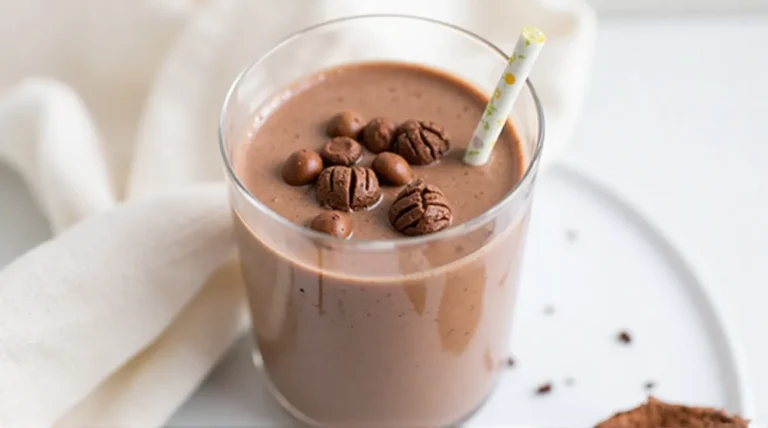
3. Chocolate Cottage Cheese Smoothie (Don’t Panic)
Yes, cottage cheese. No, it doesn’t taste like cheese when blended. Blend:
- ½ cup cottage cheese
- 1 banana
- 1 tbsp cocoa powder
- 1 cup milk
- 1 tbsp peanut butter
It tastes like a chocolate mousse. I’m not exaggerating.
Hidden Protein Sources You’re Probably Ignoring
Most people think protein only comes from meat or powder. Not true at all. Some everyday foods quietly carry serious protein power.
Dairy Options
- Greek yogurt
- Cottage cheese
- Milk
- Kefir
These are smoothie MVPs. No debate.
Plant-Based Options
- Tofu (silken works best for blending)
- Hemp seeds
- Nut butters
- Oats
- Soy milk
Combine them smartly, and you can easily build a 20–30g protein smoothie without supplements.
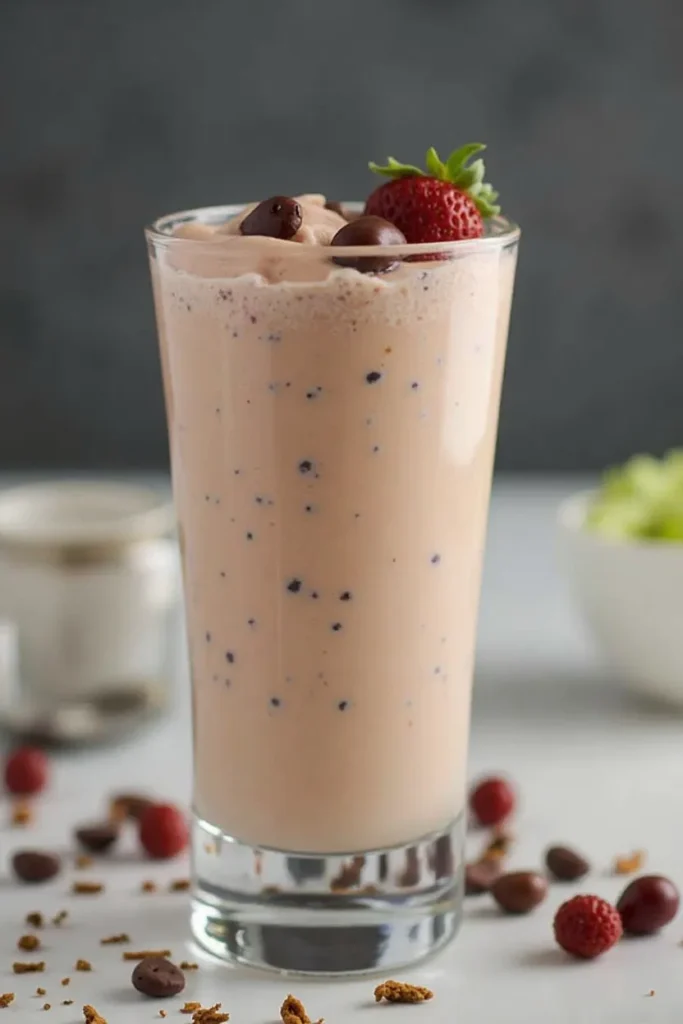
How to Turn Any Smoothie Into a Protein-Packed Meal
Here’s where most people go wrong—they think smoothies are just drinks. Nope. Done right, they’re full meals. Follow this simple upgrade system:
- Step 1: Always include a protein base (yogurt, milk, kefir)
- Step 2: Add at least one fat source (nut butter, seeds, avocado)
- Step 3: Add fiber (fruit, oats, chia seeds)
This combo keeps you full longer and prevents that “why am I hungry again in 45 minutes?” situation. Also, don’t be afraid to make it thick. Smoothies shouldn’t feel like flavored water.
Common Mistakes People Make (And Yes, You Might Be Doing One)
Let’s roast a few smoothie sins real quick.
- Too much fruit: It turns into a sugar bomb instead of a balanced meal.
- No protein base: Congrats, you made juice with vibes.
- Overloading ingredients: More isn’t always better. Sometimes it’s just chaos.
- Ignoring fats: You need them for fullness and energy.
Also, blending for 5 seconds and calling it done? That’s not a smoothie, that’s a chunky situation.
When to Drink a High-Protein Smoothie
Timing actually matters more than people think.
- Breakfast: Quick, filling, no cooking required
- Post-workout: Helps muscle recovery naturally
- Midday snack: Prevents snack attacks on random junk food
If you’re trying to build muscle or stay full during a busy day, this is your easiest win.
FAQ’s: High-Protein Smoothies Without Protein Powder
Can I really build muscle without protein powder?
Yes, absolutely. Your body doesn’t care where protein comes from. It just uses amino acids from food. If you consistently eat enough protein from whole foods, you’re good.
How much protein should a smoothie have?
Aim for 15–30 grams if you want it to replace a meal. Less than that works for snacks, but meals need more staying power.
What’s the best milk for protein in smoothies?
Soy milk usually wins for plant-based options. Dairy milk also works great if you tolerate it. Almond milk looks healthy but brings very little protein.
Do high-protein smoothies help with weight loss?
They can, if you build them correctly. Protein + fiber + healthy fats help you stay full, which reduces random snacking later.
Can I meal prep smoothies?
Yes, but don’t fully blend them too early. Freeze ingredients in bags, then blend fresh when needed. Pre-blended smoothies lose texture and freshness fast.
Is cottage cheese really good in smoothies?
Surprisingly yes. It blends smoothly, adds protein, and disappears flavor-wise when combined with fruits or cocoa.
Related Recipes
- Pineapple Mint Kale Green Smoothie Recipe
- Banana Turmeric Almond Butter Anti-Inflammatory Smoothie
- Strawberry Avocado Lime Skin Glow Smoothie Recipe
Conclusion
You don’t need protein powder to build a strong, filling, and actually enjoyable smoothie. Real food does the job just fine—and often tastes better while doing it. Once you understand the simple formula of protein base + boosters + flavor, you can mix and match endlessly without getting bored. So next time someone says, “Where’s your protein powder?” just smile and sip your smoothie like you’ve unlocked a secret they haven’t figured out yet.