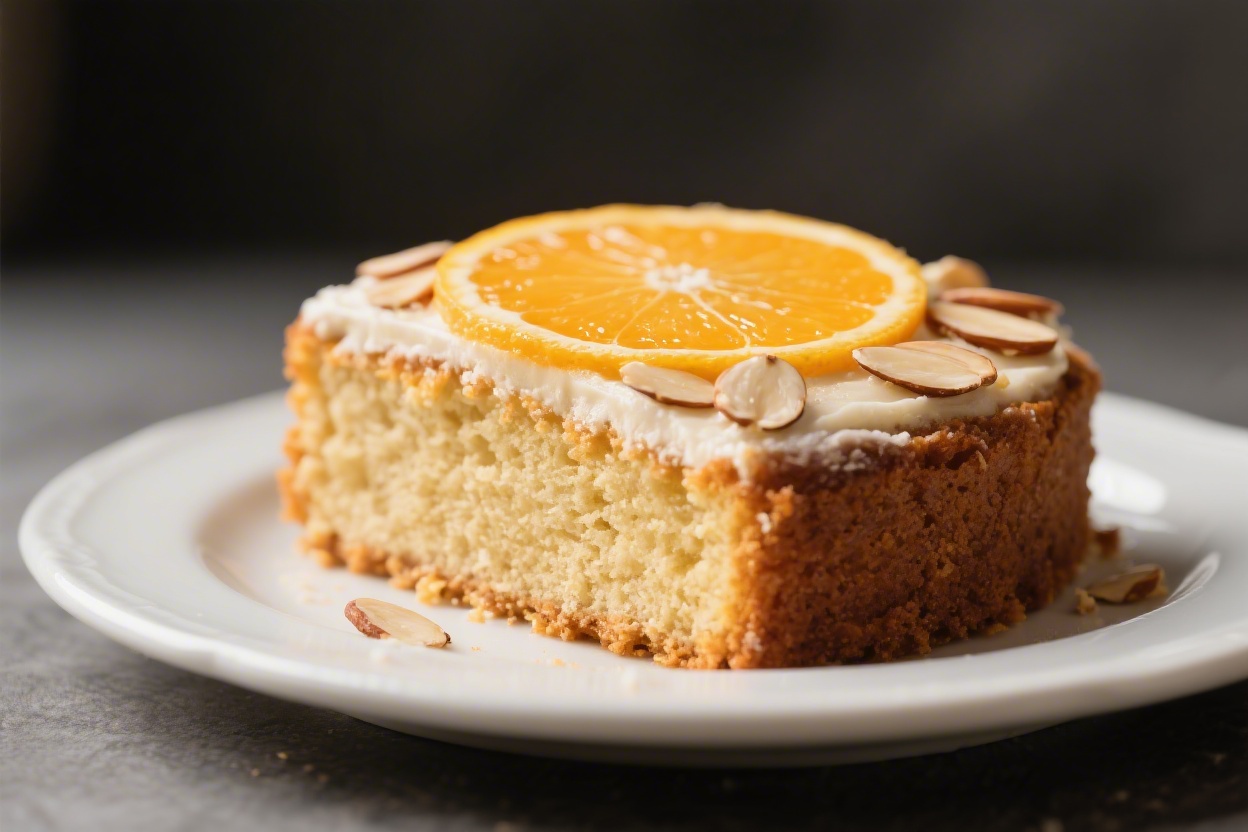
Gluten Free Orange Almond Cake – Moist, Bright, and Naturally Sweet
This cake packs a sunny burst of citrus into every bite, with a tender crumb that melts in your mouth. It’s naturally gluten free, deeply aromatic, and surprisingly simple to pull together. No fancy techniques, no finicky steps—just honest ingredients doing their best work.
Serve it with a dusting of powdered sugar or a dollop of yogurt, and you’ve got a dessert that feels special any day of the week.
What Makes This Special
This cake is built on almond flour, which gives it a moist, almost velvety texture and a rich, nutty flavor. Fresh orange zest and juice keep it bright without being too sweet, while olive oil brings a gentle fruitiness and keeps it tender for days. There’s no gluten, no complicated substitutions, and no need for a mixer.
It bakes up golden, slices cleanly, and tastes even better the next day.
What You’ll Need
- Almond flour (blanched, finely ground) – 2 cups (about 200 g)
- Granulated sugar – 3/4 cup (150 g)
- Large eggs – 4, at room temperature
- Fresh oranges – 2, for zest and juice (you’ll need about 1/3 cup juice and 1–2 tablespoons zest)
- Extra-virgin olive oil – 1/3 cup (or use melted butter if you prefer)
- Baking powder – 1 1/2 teaspoons (ensure it’s gluten free)
- Fine sea salt – 1/4 teaspoon
- Vanilla extract – 1 teaspoon
- Almond extract – 1/4 teaspoon (optional, for a stronger almond note)
- Powdered sugar – for dusting (optional)
- Sliced almonds – 2–3 tablespoons, for topping (optional)
How to Make It
- Prep the pan and oven: Heat the oven to 350°F (175°C). Grease a 9-inch round springform pan or cake pan and line the base with parchment. Lightly grease the parchment too.
- Whisk dry ingredients: In a medium bowl, whisk almond flour, baking powder, and salt until no lumps remain.This helps the cake rise evenly.
- Zest and juice: Finely zest the oranges first, then juice them. Measure 1–2 tablespoons zest and 1/3 cup juice. Avoid the white pith when zesting—it’s bitter.
- Beat the eggs and sugar: In a large bowl, whisk the eggs and sugar for 1–2 minutes until slightly thick and pale.You can use a hand whisk or a mixer on medium speed.
- Add liquids: Whisk in the olive oil, vanilla, almond extract (if using), orange zest, and orange juice until smooth and glossy.
- Combine: Add the dry mixture to the wet mixture. Stir gently with a spatula until just combined. Don’t overmix—stop as soon as there are no dry patches.
- Pan and top: Pour the batter into the prepared pan and smooth the top.Sprinkle sliced almonds over the surface if you like a little crunch.
- Bake: Bake for 28–35 minutes, until the center is set and a toothpick comes out with a few moist crumbs. The edges should be golden and pulling slightly from the pan.
- Cool: Let the cake cool in the pan for 10 minutes, then run a knife around the edge and transfer to a rack to cool completely. Dust with powdered sugar before serving, if desired.
- Serve: Enjoy plain, or add a spoonful of Greek yogurt, whipped cream, or crème fraîche.Fresh berries make a lovely finishing touch.
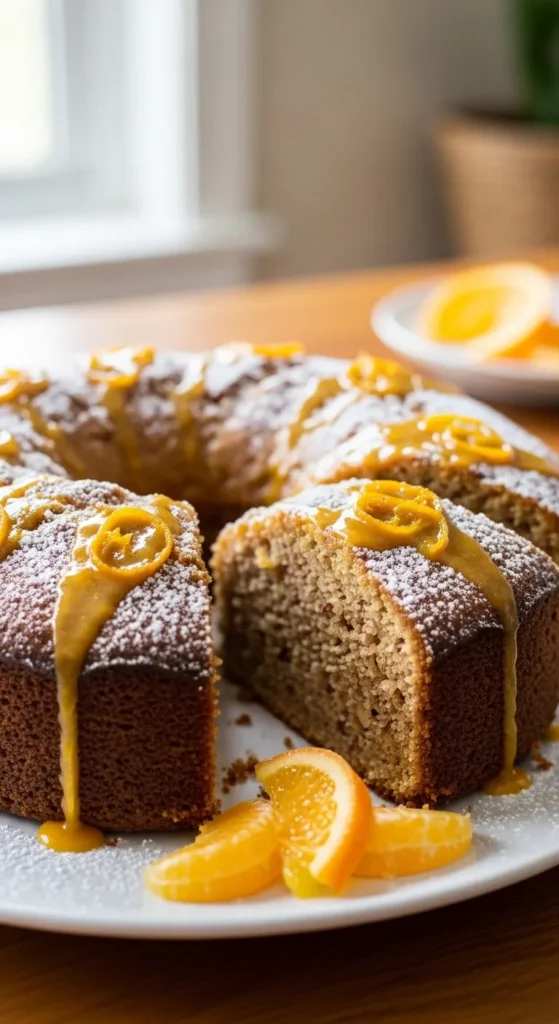
Keeping It Fresh
This cake stays moist for days thanks to the almond flour and olive oil. Store it covered at room temperature for up to 3 days. For longer storage, wrap tightly and refrigerate for up to 1 week, or freeze slices for up to 2 months.
Thaw at room temperature, then refresh with a light dusting of powdered sugar or a gentle warm-up in a low oven.
Why This is Good for You
Almond flour brings more than flavor. It’s rich in healthy fats, vitamin E, and a touch of protein, which helps keep you satisfied. Oranges offer vitamin C and natural fragrance without heavy syrups or artificial flavors.
This cake isn’t health food, but it’s a thoughtful dessert with simple, whole ingredients that deliver on taste and texture without gluten.
Common Mistakes to Avoid
- Overbaking: Almond flour browns quickly. Check early and pull the cake as soon as the center sets. A little moisture is good.
- Skipping the parchment: Almond-based cakes are tender.Lining the pan prevents sticking and broken slices.
- Using coarse almond meal: You want blanched, finely ground almond flour, not coarse meal with skins, which can make the cake heavy and gritty.
- Overmixing the batter: Stir only until combined. Overmixing can deflate the eggs and make the cake dense.
- Old baking powder: If it’s expired, your cake won’t rise well. Test by dropping a little in warm water—it should fizz.
Variations You Can Try
- Orange Syrup Soak: Warm 1/4 cup orange juice with 2 tablespoons sugar.Brush over the cake while it’s warm for extra moisture and shine.
- Chocolate Drizzle: Melt dark chocolate with a splash of olive oil and zigzag over the cooled cake for a rich contrast.
- Citrus Swap: Use lemon or clementines instead of oranges. Adjust sugar slightly to taste if your fruit is very tart.
- Spiced Version: Add 1/2 teaspoon ground cardamom or cinnamon to the dry ingredients for warmth.
- Poppy Seed Twist: Stir 1 tablespoon poppy seeds into the batter for texture and a bakery-style look.
- Dairy-Forward: Replace olive oil with melted butter for a richer, cake-shop flavor.
FAQ’s
Can I make this cake dairy-free?
Yes. The base recipe uses olive oil, so it’s already dairy-free.
Just serve it plain or with a dairy-free yogurt or whipped coconut cream if you want a topping.
What size pan works best?
A 9-inch round pan is ideal. An 8-inch pan will give you a taller cake—add a few minutes to the baking time and tent with foil if the top browns too quickly.
Can I use coconut sugar or another sweetener?
Coconut sugar works, but the cake will be slightly darker and less citrus-forward. Keep the same amount by weight for best results.
Liquid sweeteners change the texture and aren’t recommended without other adjustments.
Is almond meal the same as almond flour?
Not quite. Almond flour is finely ground from blanched almonds with skins removed. Almond meal is coarser and often includes skins.
For this recipe, use almond flour to keep the crumb soft and light.
How do I know when it’s done?
Look for a golden top and set center. A toothpick should come out with a few moist crumbs, not wet batter. The edges will just start to pull from the pan.
Can I reduce the sugar?
You can reduce it to 2/3 cup without major issues.
Below that, the texture may become eggy and less tender, since sugar helps with moisture and structure.
Does this cake layer well?
It’s best as a single-layer cake. If you want layers, bake two thinner cakes and stack with whipped cream or yogurt. Don’t try to slice one thick cake horizontally—it’s too delicate.
Can I add fresh fruit to the batter?
Small additions like 1/2 cup of blueberries can work, but they may add moisture and extend baking time.
Toss fruit with a little almond flour before folding in to reduce sinking.
Is it safe for someone with celiac disease?
Yes, if all ingredients are certified gluten-free and you avoid cross-contact. Check labels on baking powder and extracts, and use clean tools and pans.
What should I serve with it?
Greek yogurt with a drizzle of honey is lovely. Fresh berries, a citrus salad, or a thin chocolate sauce also pair beautifully with the orange-almond flavors.
Related Recipes
- Healthy Banana Brownies – Fudgy, Simple, and Naturally Sweet
- Heavenly Keto Bread Recipe – Soft, Satisfying, and Low-Carb
- Ginger Sesame Cabbage – A Bright, Flavor-Packed Side Dish
Final Thoughts
This Gluten Free Orange Almond Cake is the kind of recipe you’ll come back to whenever you want something bright, simple, and reliable.
It’s easy to make, keeps well, and feels special without being fussy. With a few pantry staples and a couple of oranges, you can bake a cake that tastes like sunshine and fits almost any occasion. Keep it classic, or try a variation and make it your own.
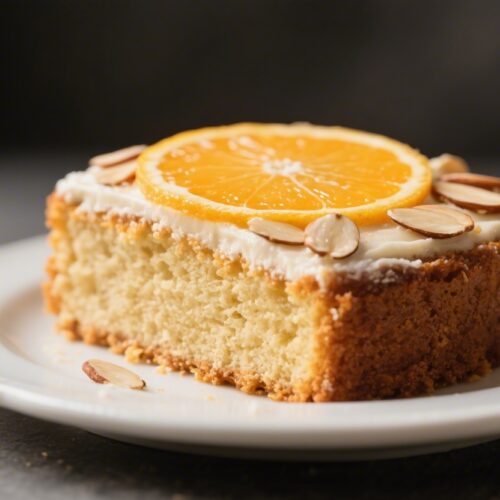
Gluten Free Orange Almond Cake - Moist, Bright, and Naturally Sweet
Ingredients
- Almond flour (blanched, finely ground) – 2 cups (about 200 g)
- Granulated sugar – 3/4 cup (150 g)
- Large eggs – 4, at room temperature
- Fresh oranges – 2, for zest and juice (you’ll need about 1/3 cup juice and 1–2 tablespoons zest)
- Extra-virgin olive oil – 1/3 cup (or use melted butter if you prefer)
- Baking powder – 1 1/2 teaspoons (ensure it’s gluten free)
- Fine sea salt – 1/4 teaspoon
- Vanilla extract – 1 teaspoon
- Almond extract – 1/4 teaspoon (optional, for a stronger almond note)
- Powdered sugar – for dusting (optional)
- Sliced almonds – 2–3 tablespoons, for topping (optional)
Instructions
- Prep the pan and oven: Heat the oven to 350°F (175°C). Grease a 9-inch round springform pan or cake pan and line the base with parchment. Lightly grease the parchment too.
- Whisk dry ingredients: In a medium bowl, whisk almond flour, baking powder, and salt until no lumps remain. This helps the cake rise evenly.
- Zest and juice: Finely zest the oranges first, then juice them. Measure 1–2 tablespoons zest and 1/3 cup juice. Avoid the white pith when zesting—it’s bitter.
- Beat the eggs and sugar: In a large bowl, whisk the eggs and sugar for 1–2 minutes until slightly thick and pale. You can use a hand whisk or a mixer on medium speed.
- Add liquids: Whisk in the olive oil, vanilla, almond extract (if using), orange zest, and orange juice until smooth and glossy.
- Combine: Add the dry mixture to the wet mixture. Stir gently with a spatula until just combined. Don’t overmix—stop as soon as there are no dry patches.
- Pan and top: Pour the batter into the prepared pan and smooth the top. Sprinkle sliced almonds over the surface if you like a little crunch.
- Bake: Bake for 28–35 minutes, until the center is set and a toothpick comes out with a few moist crumbs. The edges should be golden and pulling slightly from the pan.
- Cool: Let the cake cool in the pan for 10 minutes, then run a knife around the edge and transfer to a rack to cool completely. Dust with powdered sugar before serving, if desired.
- Serve: Enjoy plain, or add a spoonful of Greek yogurt, whipped cream, or crème fraîche. Fresh berries make a lovely finishing touch.
Printable Recipe Card
Want just the essential recipe details without scrolling through the article? Get our printable recipe card with just the ingredients and instructions.